Yerington NV – September 30, 2026
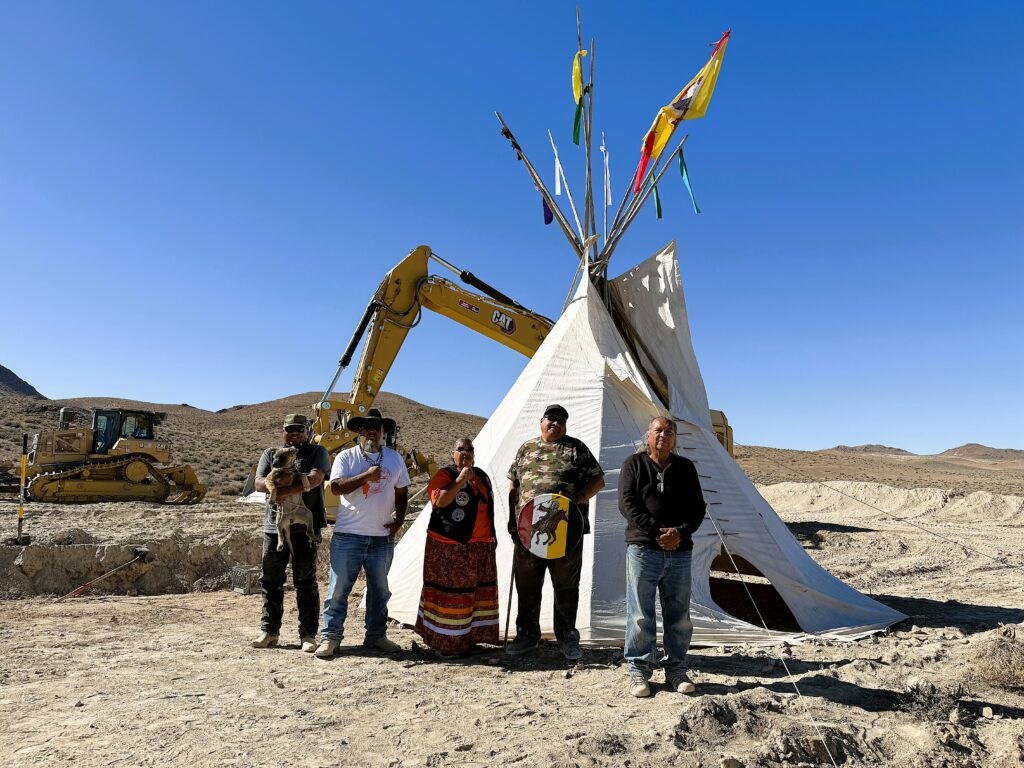
Northwest Mason Valley, Nevada — At the foot of the Singatse Mountains in northwest Mason Valley, a group of tribal members from Yerington, Schurz, South Dakota and AIM American Indian Movement began gathering yesterday, September 29th, in response to what they described as the disturbance of a culturally significant site during construction work associated with NV Energy’s Greenlink West transmission project.
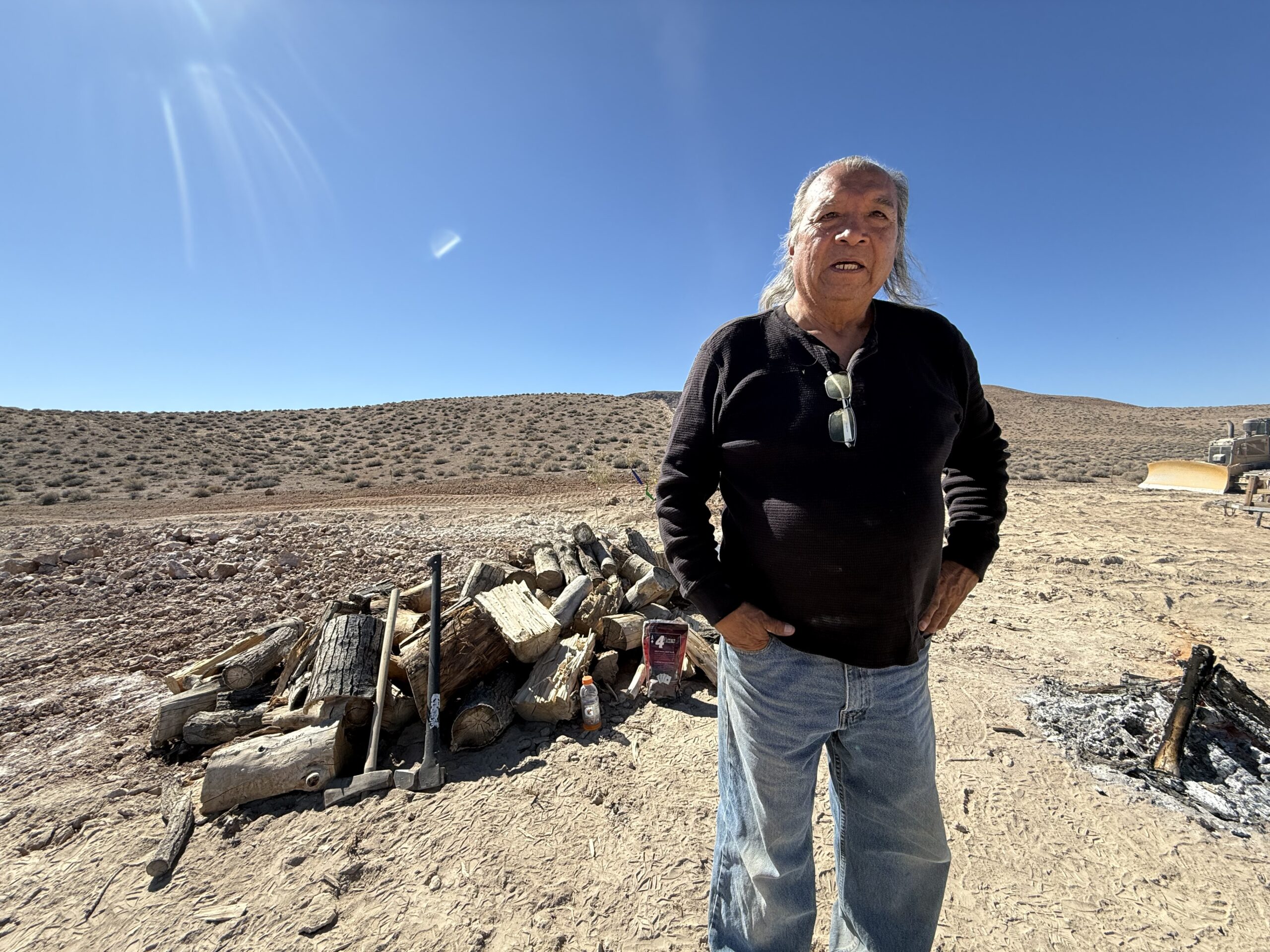
Vernon Rogers, respected Elder with the Yerington Paiute Tribe, explained that the area contains sacred and archaeological objects associated with the ancestors of the Yerington Paiute Tribe and has long been known to local tribal members as one of many important cultural areas.
Rogers said tribal representatives had previously notified developers about cultural concerns in the area and had asked that consultation take place directly with the tribe.
According to Rogers, construction activity began in the area Tuesday, with no notification to the tribe. Seeing this, several tribal members drove to the site where an access road had been cut. They placed flags at a location to “stop work” beyond the flags and explained this to the contractors there.
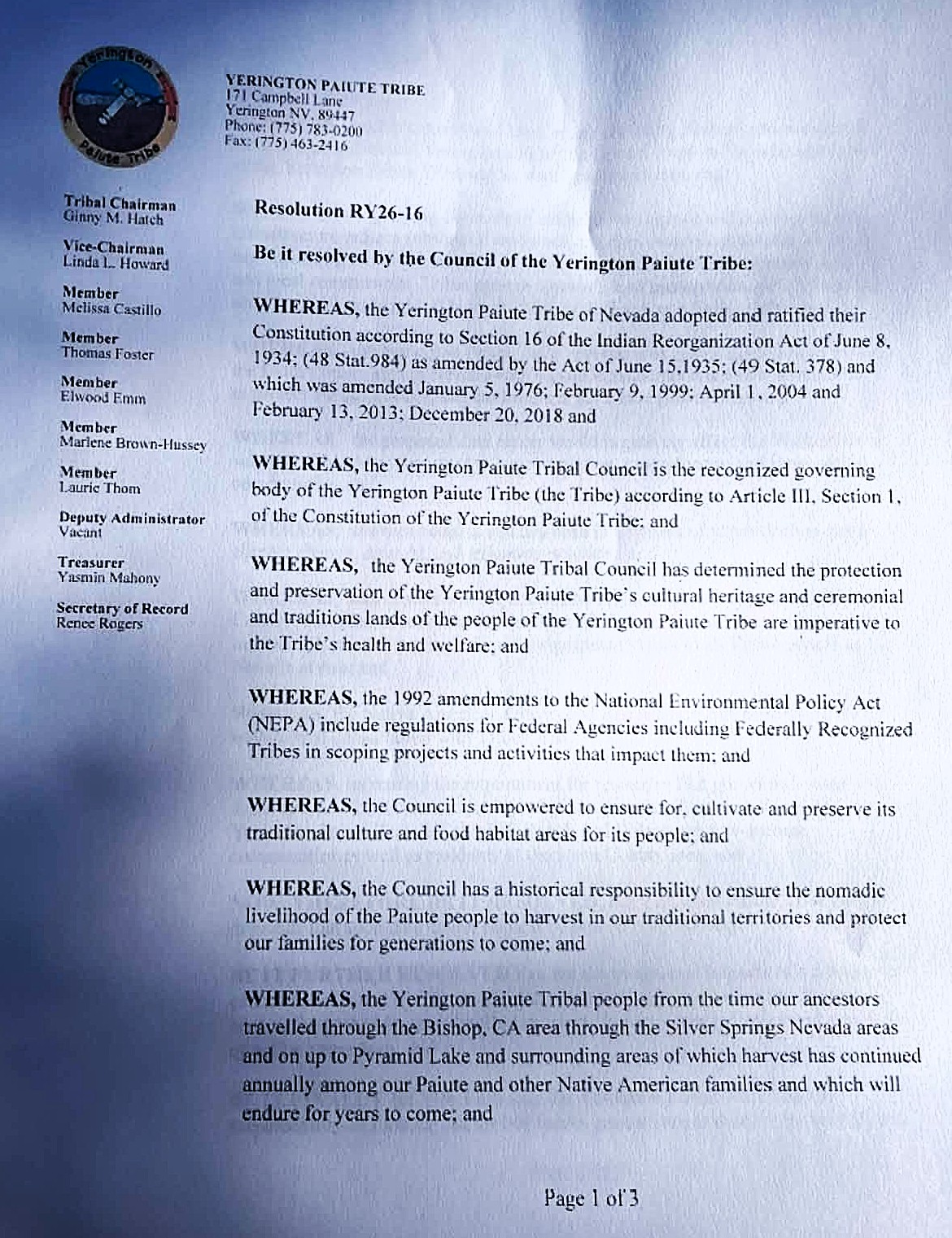
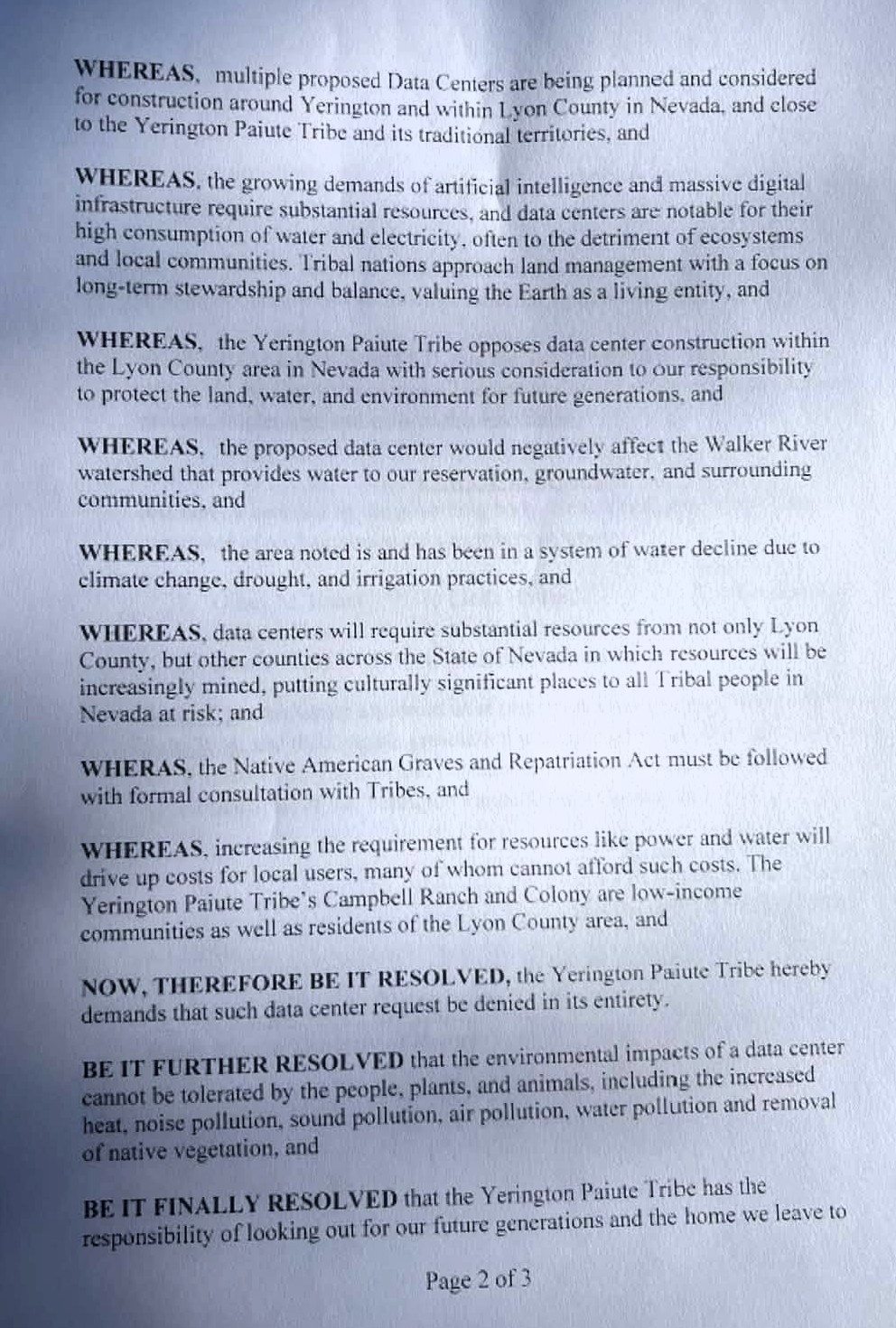
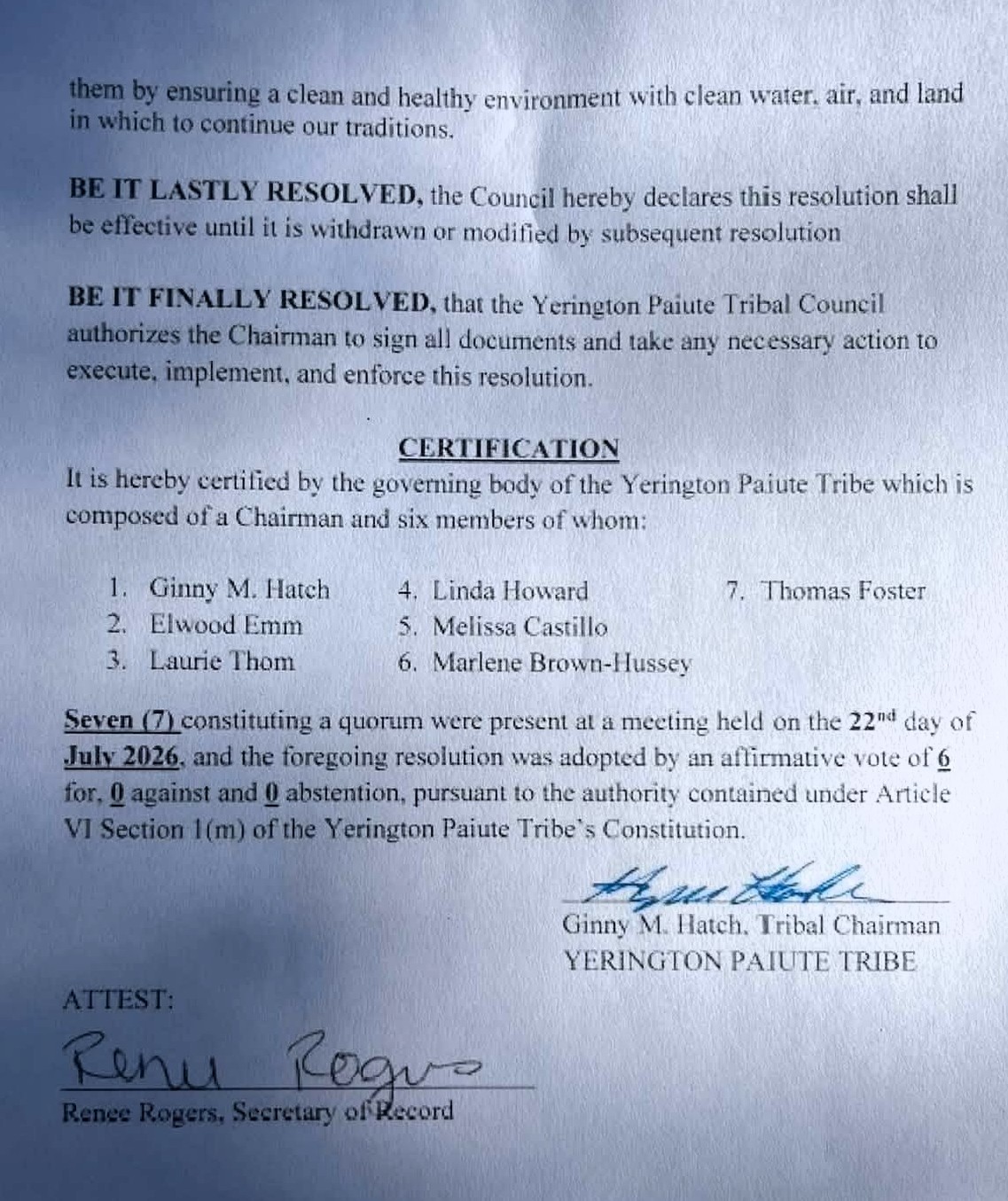
Rogers said that after his group left the site temporarily to attend to paperwork, they returned and found that additional earthwork had taken place. “We told them that we didn’t want them to proceed anymore, but they went ahead and did it,” Rogers said.
Following the discovery of sacred objects at the site, Rogers said he contacted the lead archaeologist for the Bureau of Land Management (BLM) and explained what had occurred. Rogers said he told the archaeologist that tribal members intended to conduct a seven-day ceremony at the site and wanted construction activity stopped during the ceremony.
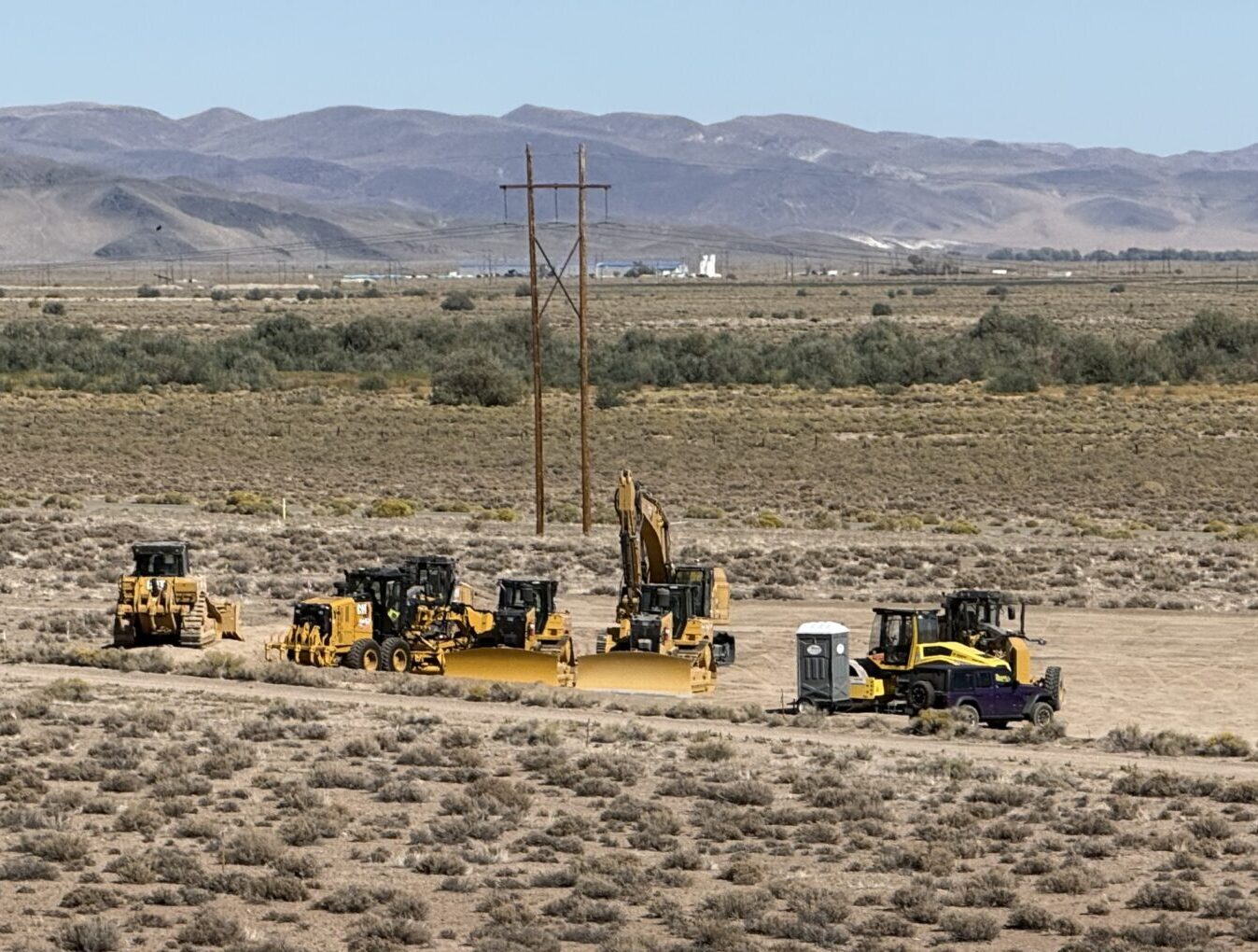
According to Rogers, the work was subsequently shut down and equipment was left at the site.
“We’re here in direct action opposing what they’re doing,” Rogers said.
A Place of Cultural Significance
The exact nature of the objects at the site was not discussed in detail during the interview. Rogers referred to archaeological objects in the surrounding area and said tribal members have known about them since childhood.
He said tribal members have asked that cultural objects discovered during development be returned to the tribe rather than placed in storage or museums.
“We’d rather take care of it ourselves,” Rogers said.
Rogers and other participants also discussed the tribe’s efforts to establish a cultural center and museum where returned cultural materials could be cared for and where members of the broader community could learn about Native American culture.
The Seven-Day Ceremony
Josh ‘Numu’ Dini, is the executive director of the nonprofit organization Prayer Horse, Inc., a Native-led nonprofit organization dedicated to protecting Indigenous cultural traditions, sacred lands, and environmental health in the Great Basin and across the United States.
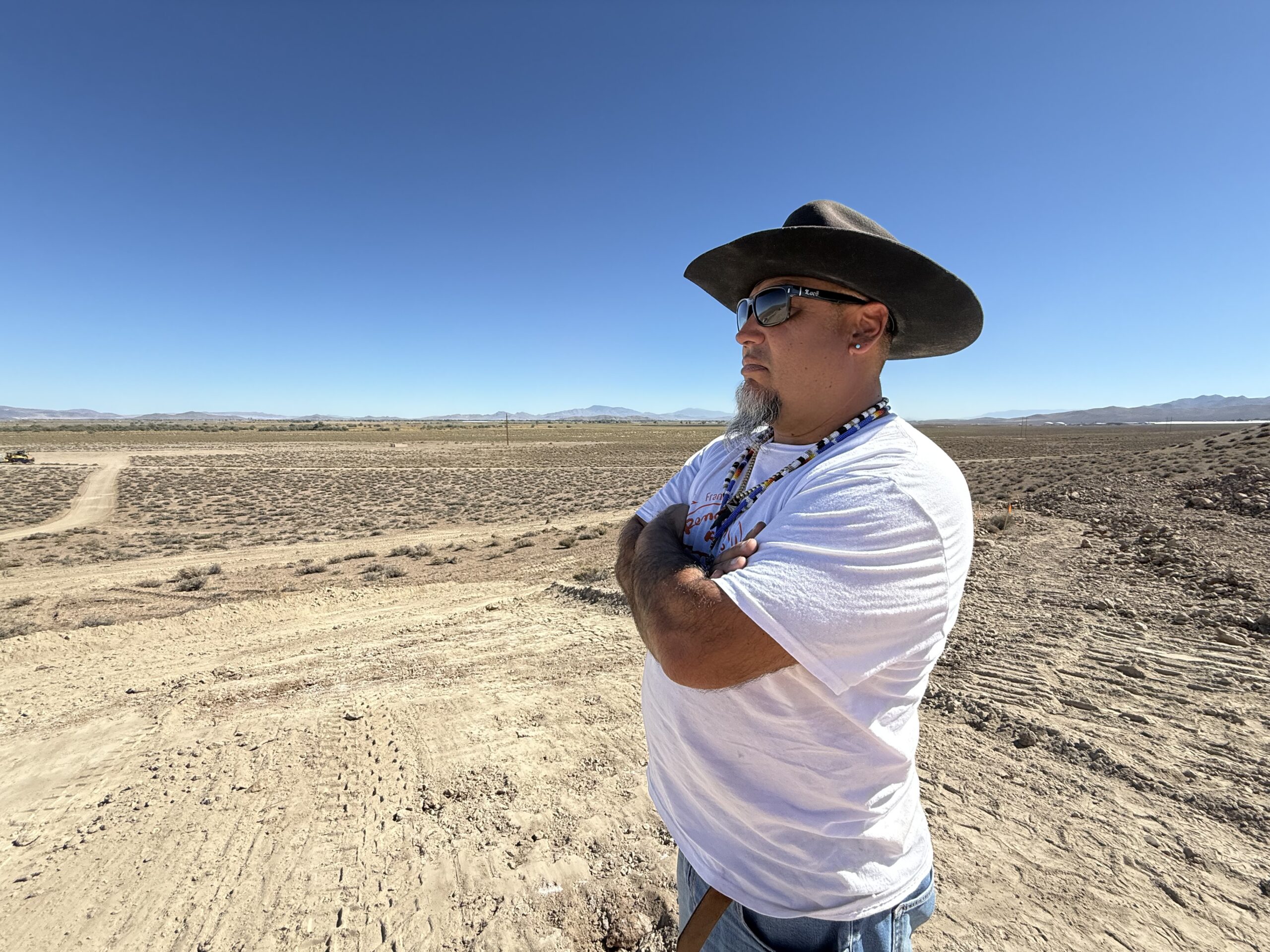
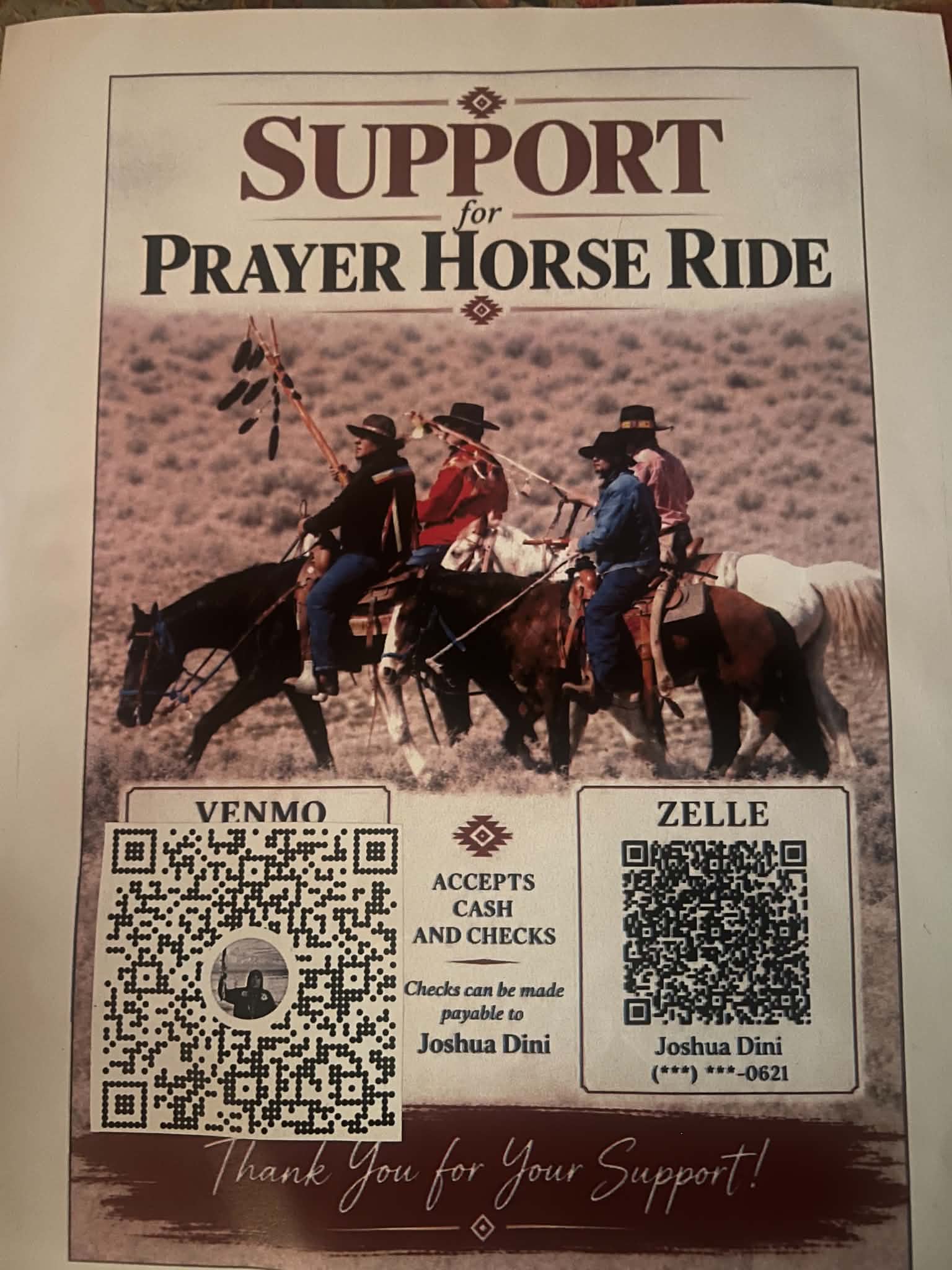
Dini lives in Schurz, Nevada where the Walker River Paiute Tribe is based, and has relatives in other tribes including the Yerington Paiute Tribe. He emphasized the importance of cooperation among tribal communities in Nevada and beyond, noting that members of different tribes have family and cultural connections extending across traditional territories.
The seven-day ceremony is intended to connect the land, the people and the elements. “The four sacred elements are fire, water, wind, and earth,” Dini said.
Dini explained that the ceremony is not simply a response to construction activity, but part of the community’s responsibility to continue prayer, cultural practices and protection of sacred places.
He said that even when development cannot be stopped, tribal members can continue to conduct ceremonies and protect cultural knowledge.
“We here to do our part,” Dini said.
Flags, Tobacco Ties and Prayer
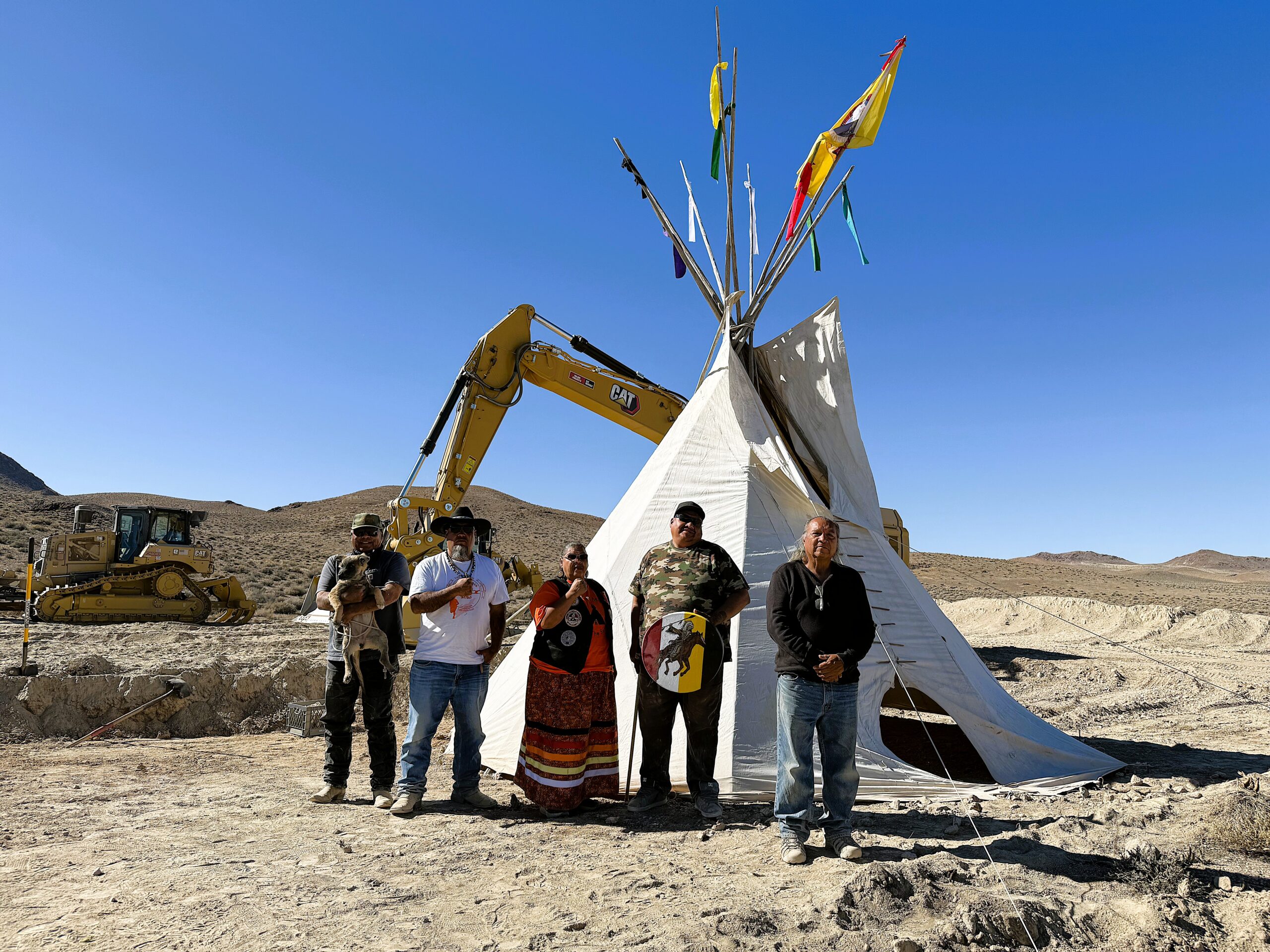
At the site, colorful flags and tobacco ties had been placed. Vernon Rogers explained that the colors and materials have cultural & spiritual significance and represent elements of the Earth. A small fire burns during the ceremony, watched carefully by individuals.
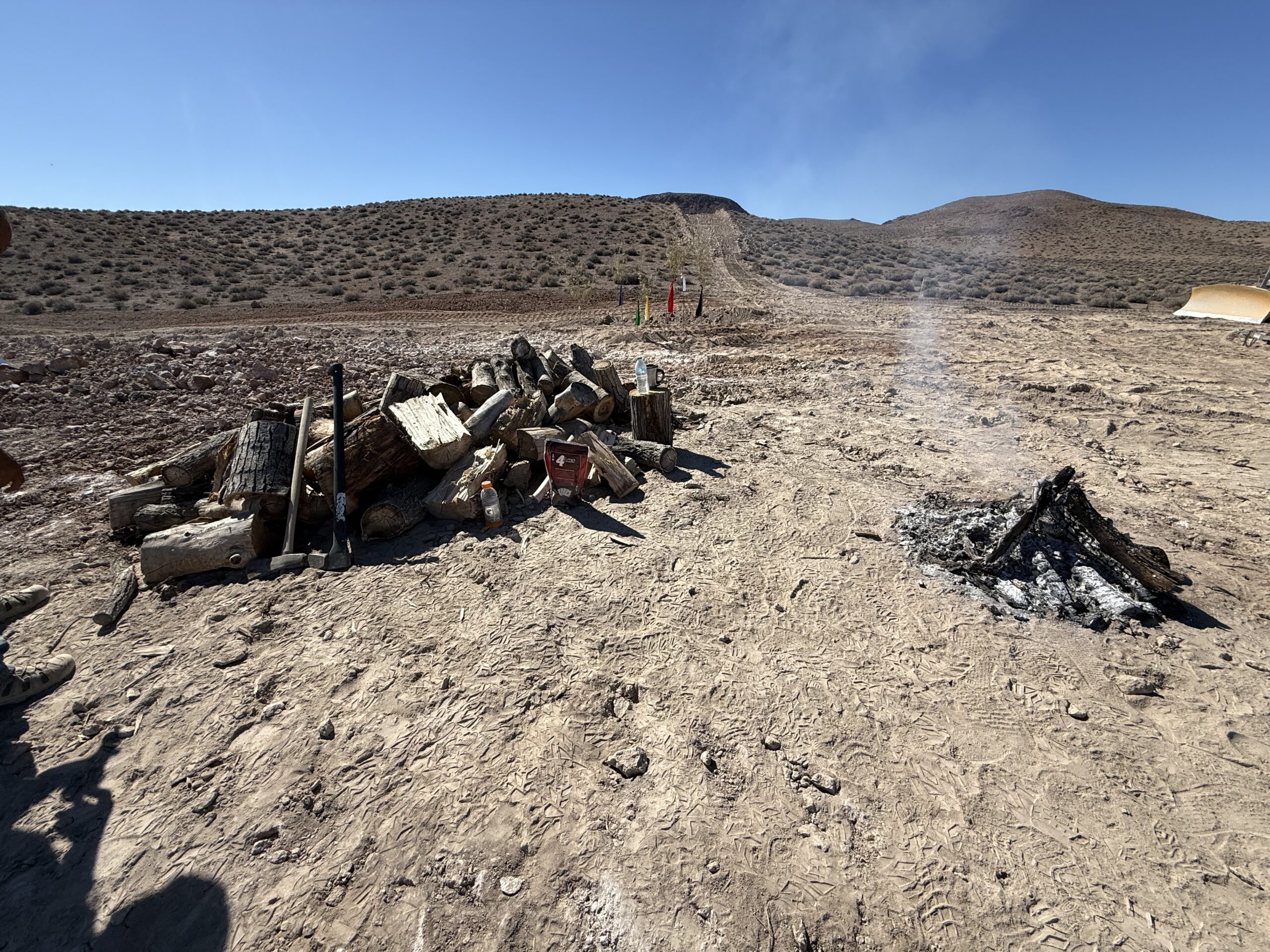
Dini said tribal members had gathered for sunrise prayers earlier in the day and planned to remain at the location for the seven-day ceremony.
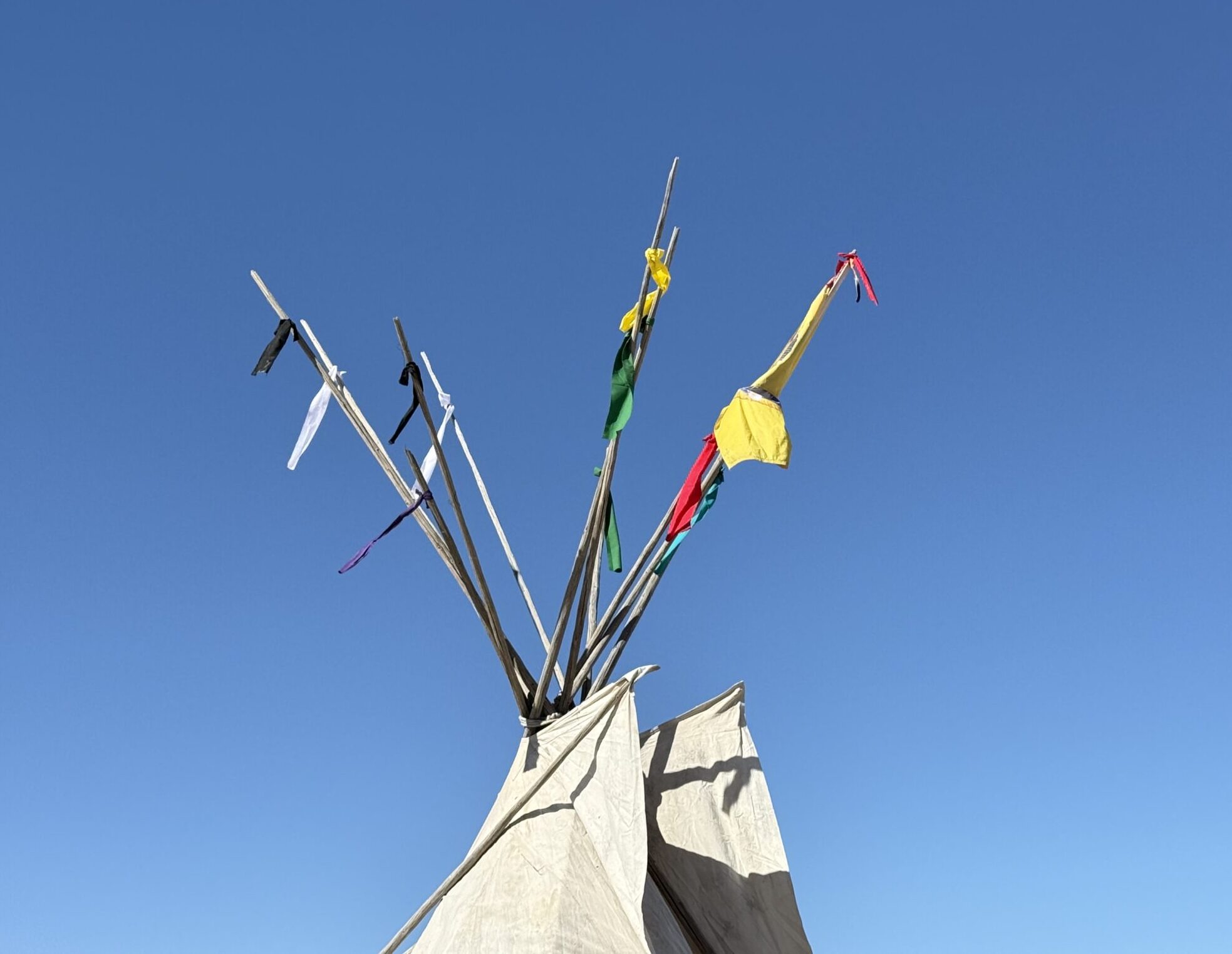
The gathering included tribal members, cultural advocates and others who described themselves as allies.
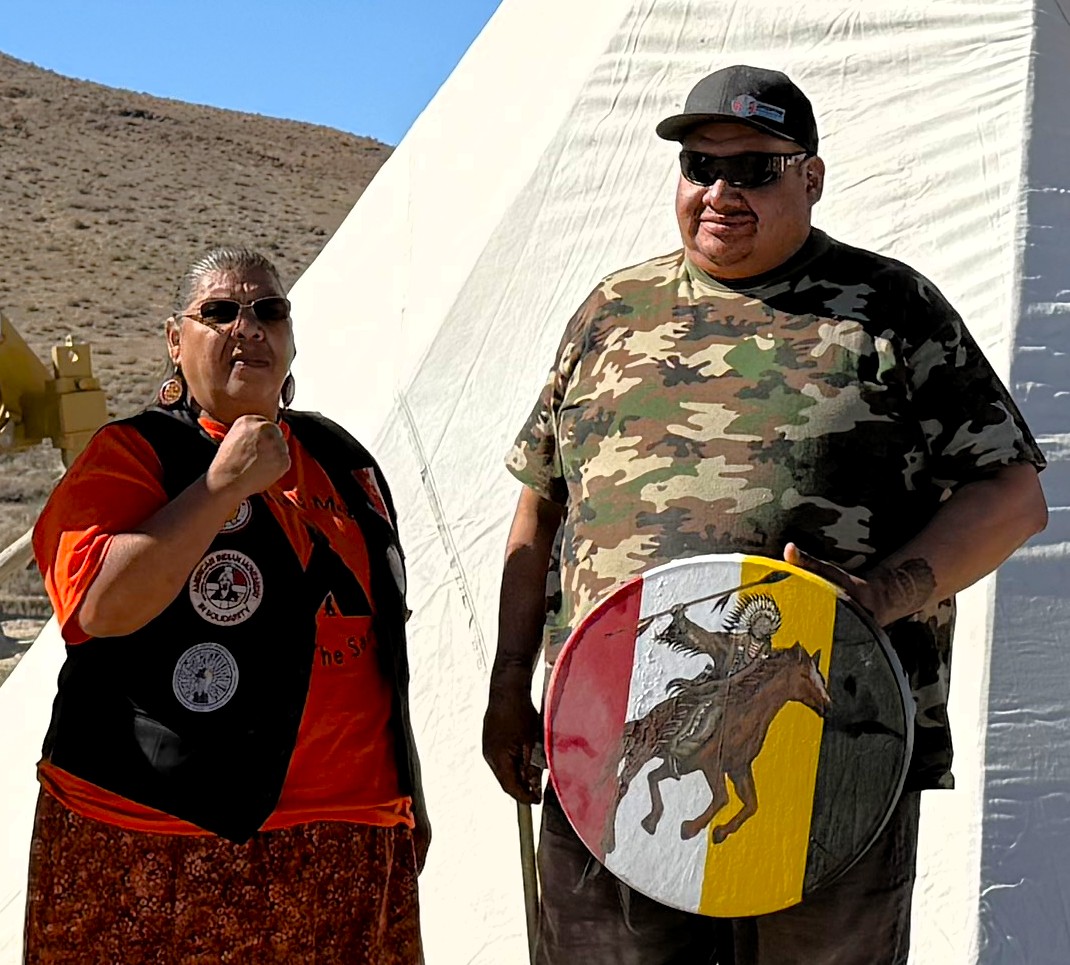
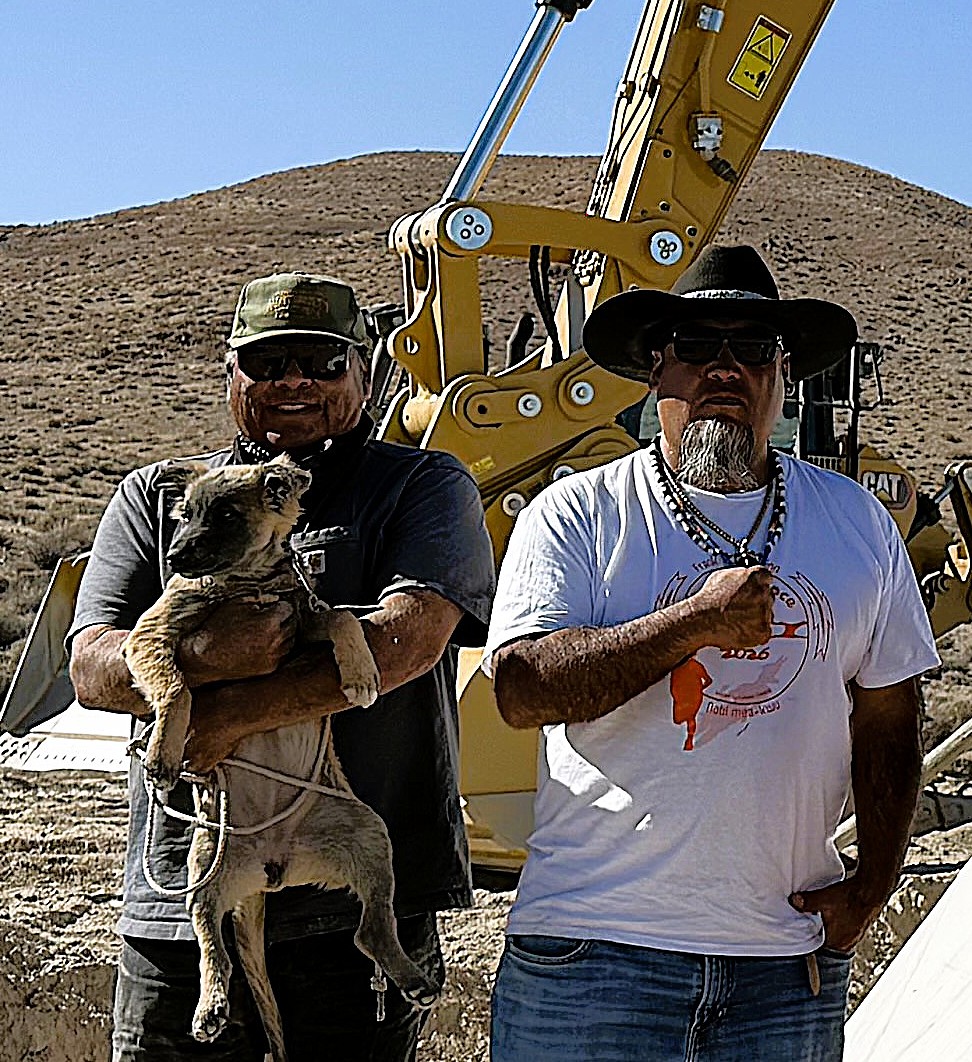
Greenlink North
The location is part of the larger Greenlink West transmission project, which is being developed by NV Energy.
Across the valley, transmission infrastructure and the Walker River Power Substation is being constructed next to the existing Fort Churchill Power Substation. The transmission route will extend through the Mason Valley area and connect with other portions of NV Energy’s Greenlink Project at USA Parkway and in Reno.
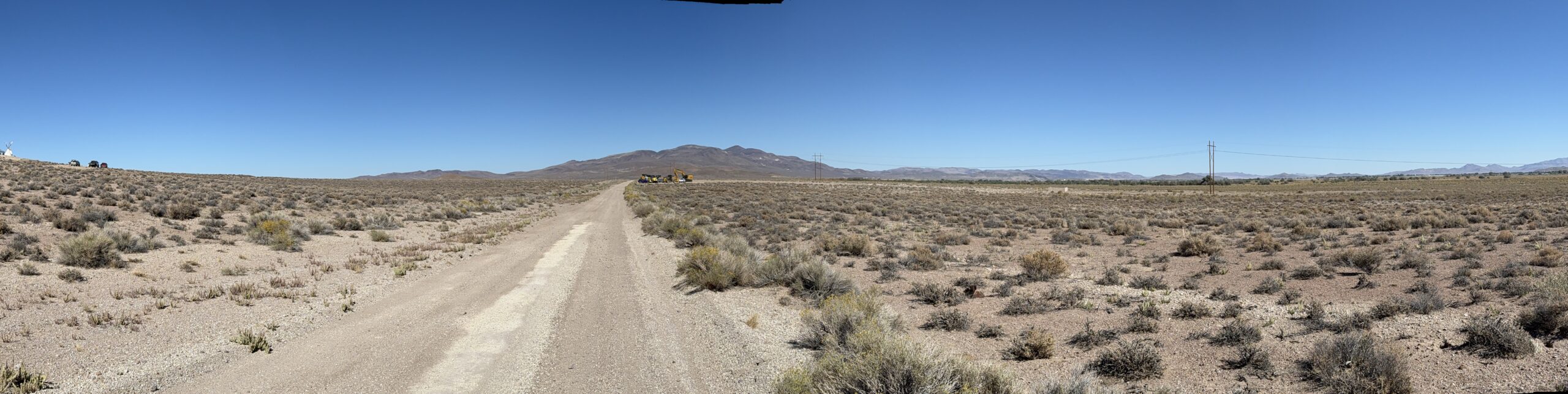
The immediate concern for this group was the ground beneath them and what they said could be disturbed as construction continues.
Dini said cultural monitoring will remain important as work progresses through other valleys and areas containing potentially significant sites.
“There’s going to be other sacred objects and sites over these next few valleys,” he said.
A Broader Concern
The conversation eventually expanded beyond the immediate construction activity to the broader question of how development projects affect tribal cultural resources, water, land and traditional practices.
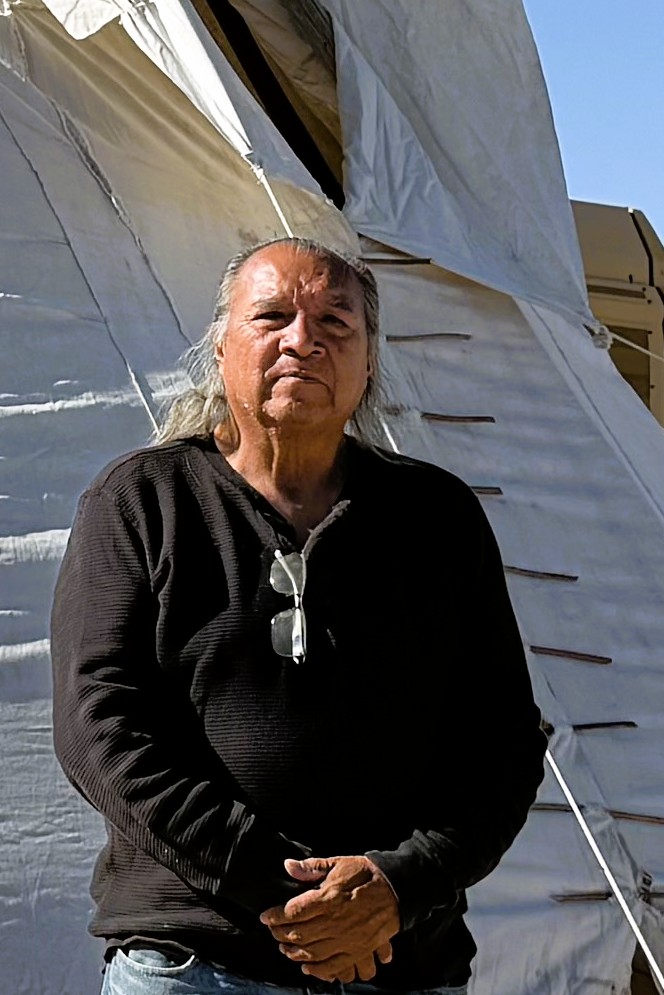
Rogers said tribal members have repeatedly found themselves having to educate government agencies and outside companies about the cultural importance of the land.
He said tribal governments can change leadership over time, making cultural education an ongoing process.
Dini said organizations such as Prayer Horse, Inc. are intended to help bridge those changes and bring tribal communities together around common concerns.
He said the organization works with tribes throughout the region and has also connected with tribal communities elsewhere in the country facing similar issues.
The participants said their concerns extend beyond any single project.
For them, the Greenlink West construction is part of a much larger transformation taking place across the Mason Valley and surrounding areas.
“This all ties together,” one participant said during the discussion.
Looking Toward the Future
Despite the frustration expressed at the site, the gathering also focused on preserving cultural knowledge for future generations.
Rogers said plans for a cultural center could provide a permanent place for tribal members to care for cultural materials, teach younger generations, and help members of the surrounding community better understand the area’s history.
The participants also emphasized that tribal members and community allies can continue working together even when development projects move forward.
As construction equipment remained idle nearby, the group continued its prayers and ceremony.
For those gathered beneath the Singatse Mountains, the seven-day ceremony represents more than a response to one construction site. It is also an effort to maintain a connection between the land, cultural traditions and the generations who came before them.
More Stories
Farmy’s Off-Road Park Continues to Grow Into a Community Destination
2026 Yerington Air Fair Brings Aviation, Breakfast and Family Fun to Municipal Airport
Harvest RV Resort receives approval for SUP from Yerington City Council