Yerington, Nevada – June 9, 2026
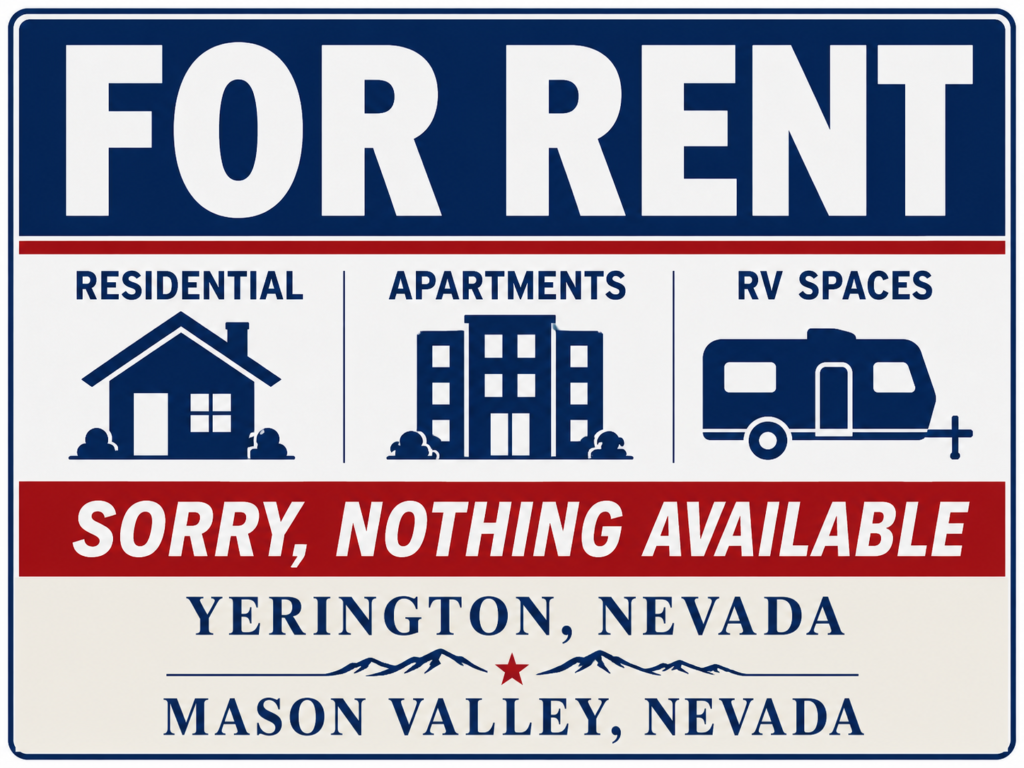
With an estimated housing vacancy rate of just 1.4%, according to City of Yerington Master Plan studies, finding a home, apartment, or RV space to rent in Yerington and Mason Valley has become increasingly difficult.
City officials say they are aware of the challenge and are actively working to increase housing opportunities while ensuring development occurs responsibly.
In a recent community update, Interim City Manager Jerry Bryant discussed ongoing efforts to address the shortage.
“We currently have seven new home permits under review and I’m happy to report that even with our small staff, we are much faster than industry standards in turning permits around. In addition to these, we are in discussion with several developers about new projects to bring not only single-family homes, but multifamily or worker-related housing to our valley.
“Considering our extremely low vacancy rate (1.4% according to our Master Plan studies), we are very interested in bringing housing to our city. The catch is, it also needs to be responsible.
“This past week I was fortunate to gather several department heads into one room to help expedite some development plans while still scrutinizing them with every responsible division that has a say in the matter. These are some of the steps we are taking to address our housing crunch responsibly, but swiftly.”
A Historic Housing Resource
One of the largest sources of rental housing in the area is the Weed Heights Development.
According to a recent Nevada environmental permit notice, the community includes approximately 300 residential units, an RV park, a coffee shop, and several small businesses. The residential unit count may include the RV spaces, which have been estimated at approximately 70 to 115 sites.
The community’s roots trace back to the former Anaconda Copper Mine. After mining operations ceased in 1978, the Don Tibbals family began renovating many of the former miners’ homes and making them available as rental housing.
For decades, those homes have provided an important source of affordable housing in Mason Valley.
Today, many former residences remain vacant as Weed Heights Development continues renovations one home at a time using a small maintenance and construction workforce. While progress continues, the pace of renovation has been limited by available labor and resources.

A Possible Housing Strategy
As community leaders seek solutions, one proposal that has surfaced is the possibility of coordinating future large-scale projects with available housing capacity.
Major industrial or development projects can sometimes bring hundreds of temporary workers into an area for six months or longer. In communities with healthy vacancy rates, housing those workers is often manageable. In a community with a vacancy rate near 1%, however, the influx can place additional pressure on an already limited rental supply.
Some residents have suggested that city and county officials carefully evaluate the timing of large workforce-intensive projects until additional housing becomes available.
Others have suggested partnerships between major developers and existing housing providers such as Weed Heights Development. Such partnerships could potentially help accelerate the renovation of currently vacant homes without affecting residents already occupying existing rental units.
As Yerington continues to grow, balancing economic development with housing availability remains one of the community’s most significant challenges.
Understanding Nevada Evictions: With Cause vs. Without Cause
Housing concerns have also led to increased discussion about landlord-tenant relationships and eviction procedures.
Some local tenants have expressed apprehension regarding eviction practices, while other residents have voiced concerns about friends and neighbors who rent their homes.
This week, the Pizen Switch Times spoke with a local landlord who wished to clarify an issue that is frequently misunderstood: the difference between ending a tenancy without cause and removing a tenant for cause.
The landlord explained that many people use the term “eviction” to describe two very different legal situations.
Two Different Legal Processes
A landlord may seek possession of a rental property for one of two primary reasons:
Without Cause: The landlord wishes to end the tenancy and is not alleging that the tenant violated the lease.
With Cause: The landlord claims the tenant violated the lease agreement or Nevada law.
Understanding which situation applies is important because the tenant’s rights and options can differ significantly.
Termination of Tenancy Without Cause
A termination without cause does not necessarily mean a tenant did anything wrong.
Instead, the landlord is choosing to end a tenancy that can legally be terminated, most commonly a month-to-month rental agreement.
Reasons may include:
- Selling the property.
- Renovating the property.
- Repurposing the property.
- Choosing not to continue the rental relationship.
In some cases, a landlord may have concerns about a tenancy but may not wish to pursue a formal lease-violation case. Instead, the landlord may simply choose to end the tenancy through the legal notice process.
For most month-to-month residential tenancies in Nevada, landlords generally must provide at least 30 days’ written notice before requiring the tenant to vacate. Weekly tenancies generally require at least seven days’ notice. Certain elderly or disabled tenants may qualify for additional protections and additional time to move under Nevada law.
The key point is that a no-cause notice is not an allegation of tenant misconduct.
Removal of a Tenant With Cause
A with-cause eviction occurs when a landlord alleges that the tenant violated the lease agreement or Nevada law.
Common examples include:
- Failure to pay rent.
- Repeated late payments.
- Unauthorized occupants.
- Unauthorized pets.
- Property maintenance violations.
- Noise complaints.
- Lease violations.
- Certain nuisance or unlawful activities.
According to the landlord interviewed, a with-cause action is often initiated only after attempts have been made to work with the tenant and obtain voluntary compliance.
In many situations, Nevada law requires landlords to provide notice describing the alleged violation and giving the tenant an opportunity to correct the issue before further legal action can proceed.
Examples include:
Nonpayment of Rent: A landlord may serve a notice demanding payment or possession of the property.
Lease Violations: A landlord may provide notice identifying the violation and allowing the tenant an opportunity to correct it.
Serious Violations: Certain conduct involving nuisance activity or unlawful uses of the property may result in shorter notice periods and fewer opportunities to cure the violation.
What About Fixed-Term Leases?
Generally, a landlord cannot simply terminate an active fixed-term lease without a lawful basis.
For example, if a tenant signs a one-year lease that expires in December, the landlord generally cannot require the tenant to move out in July without a legal reason recognized by the lease agreement or Nevada law.
However, once the lease expires, the landlord may choose not to renew it, provided all required notices and legal procedures are followed.
The Bottom Line
A simple way to remember the distinction is:
Without Cause: The landlord is ending the tenancy.
With Cause: The landlord claims the tenant violated the tenancy.
In a without-cause case, the primary question is usually whether proper notice was given.
In a with-cause case, the questions often become whether a violation occurred and whether the required legal procedures were followed.
Many Nevada housing professionals prefer the phrase “termination of tenancy without cause” rather than “no-cause eviction” because the word eviction can incorrectly suggest that the tenant engaged in misconduct.
As Yerington works to address its housing shortage, understanding both the availability of housing and the legal rights of landlords and tenants will remain an important part of the community conversation.
Link to Nevada Revised Statutes: Table of Titles & Chapters (Glossary):
https://www.leg.state.nv.us/nrs
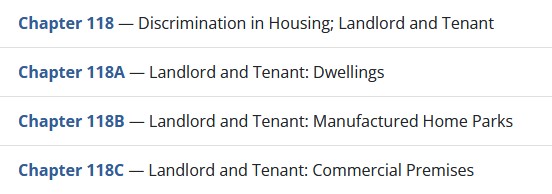
Chapter 118 legislates Landlord & Tennant issues:
This article is intended for general informational purposes only and is not legal advice. Tenants and landlords should consult Nevada statutes or qualified legal counsel regarding specific situations.



More Stories
Yerington City Council Agenda, Zoom Link & Documentation for Monday, September 14, 2026
SLMC’s New Clinic is ‘Going Vertical’
A Story in Paint Told by Stephanie LaBranch: The New Mural at Yerington City Hall