Yerington NV – July 16, 2026
Where does Yerington’s drinking water come from? Does treated wastewater flow back into the Walker River? Why do odors sometimes occur near the sewer lagoons?
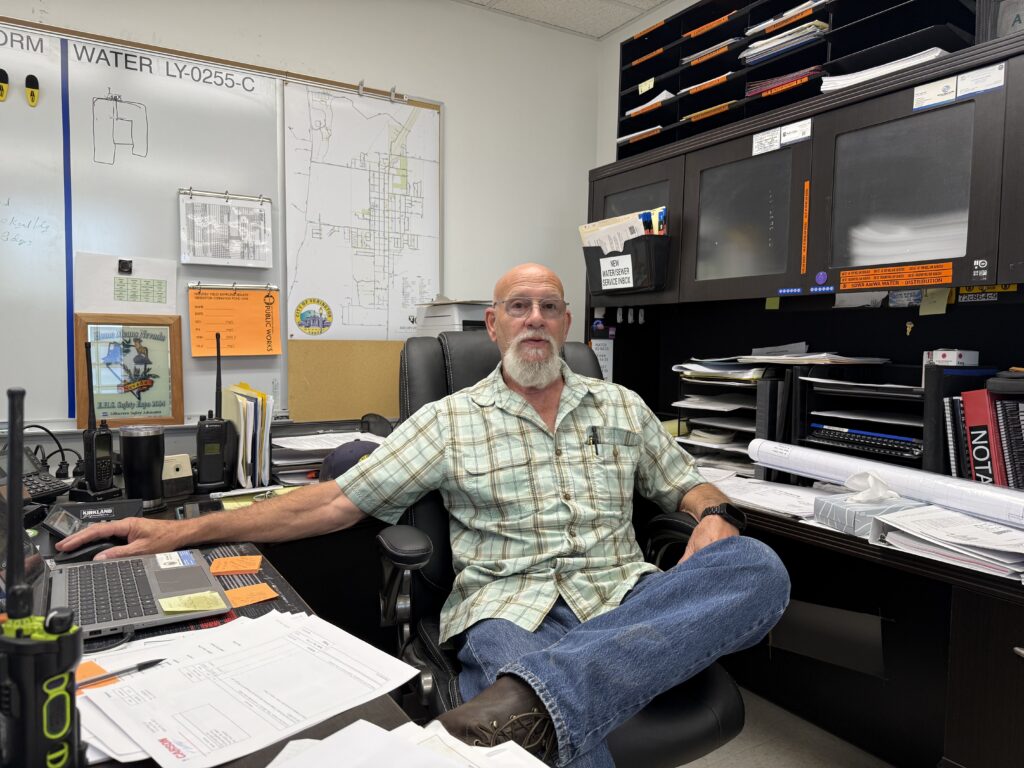
Those are just a few of the questions City of Yerington Public Works Director Paul Shapiro recently answered during a wide-ranging discussion about the city’s water and wastewater systems. His goal was simple: provide residents with a better understanding of how the city’s utility infrastructure operates, the challenges involved in maintaining it, and the steps being taken to ensure safe, reliable service for the community.
Where Yerington’s drinking water comes from
- * All city drinking water comes from groundwater wells, not the Walker River.
- * The city currently operates four wells: 3 in town – Broadway, Mountain View & New California; and 1 in Mason – the Mason Well.
- * All wells are treated to ensure water meets all state and federal standards: EPA Environmental Protection Agency & NDEP Nevada Division of Environmental Protection.
How water quality is monitored
- * Water is tested every month, with additional testing required throughout the year for many different contaminants.
- * Results are reported directly to the State of Nevada.
- * The annual Consumer Confidence Report is available to the public.
https://yerington.net/213/Consumer-Confidence-Reports
How the wastewater system works
- * Wastewater passes through screening equipment before entering treatment lagoons.
- * Naturally occurring microorganisms (“good bugs”) break down waste.
- * Both underwater and surface aeration keep the treatment process working efficiently and help reduce odors.
What happens after treatment
- * The treated water does not return to the Walker River.
- * After disinfection, it travels through a six-mile pipeline to a ladder at the southern end of Cinnamon Pond at the Mason Valley Wildlife Management Area, where vegetation utilizes the remaining nutrients. The southern end of Cinnamon Pond is NOT open to the public for fishing or recreation.
Addressing odors
- * Public Works has improved lagoon performance.
- * Odors may still occur naturally during seasonal pond turnover in spring and fall.
- * An odor-control system is being planned for the lift station near Raley’s, particularly with new nearby commercial development.
Infrastructure challenges
- * Much of the city’s utility infrastructure is aging.
- * Equipment replacements are expensive, often costing hundreds of thousands of dollars.
- * The city is actively pursuing grants while balancing a limited budget.
Why utility rates sometimes increase
- * Water and sewer systems are costly to operate.
- * Sewer serves fewer customers than water because many homes outside city limits use septic systems.
- * Federal and state grants often require local matching funds.
Paul Shapiro’s background
- * Bachelor’s of Science in Environmental Policy & Management, Summa Cum Laude.
- * Over 25 years in environmental health and safety.
- * Former Environmental Health & Safety Manager at the Truckee Meadows Water Reclamation Facility.
- * Experience managing large infrastructure projects.
- * Volunteer firefighter with the Yerington Fire Department.
- * Paul’s emphasis is long-term planning, preventive maintenance, and making improvements within the city’s financial means.
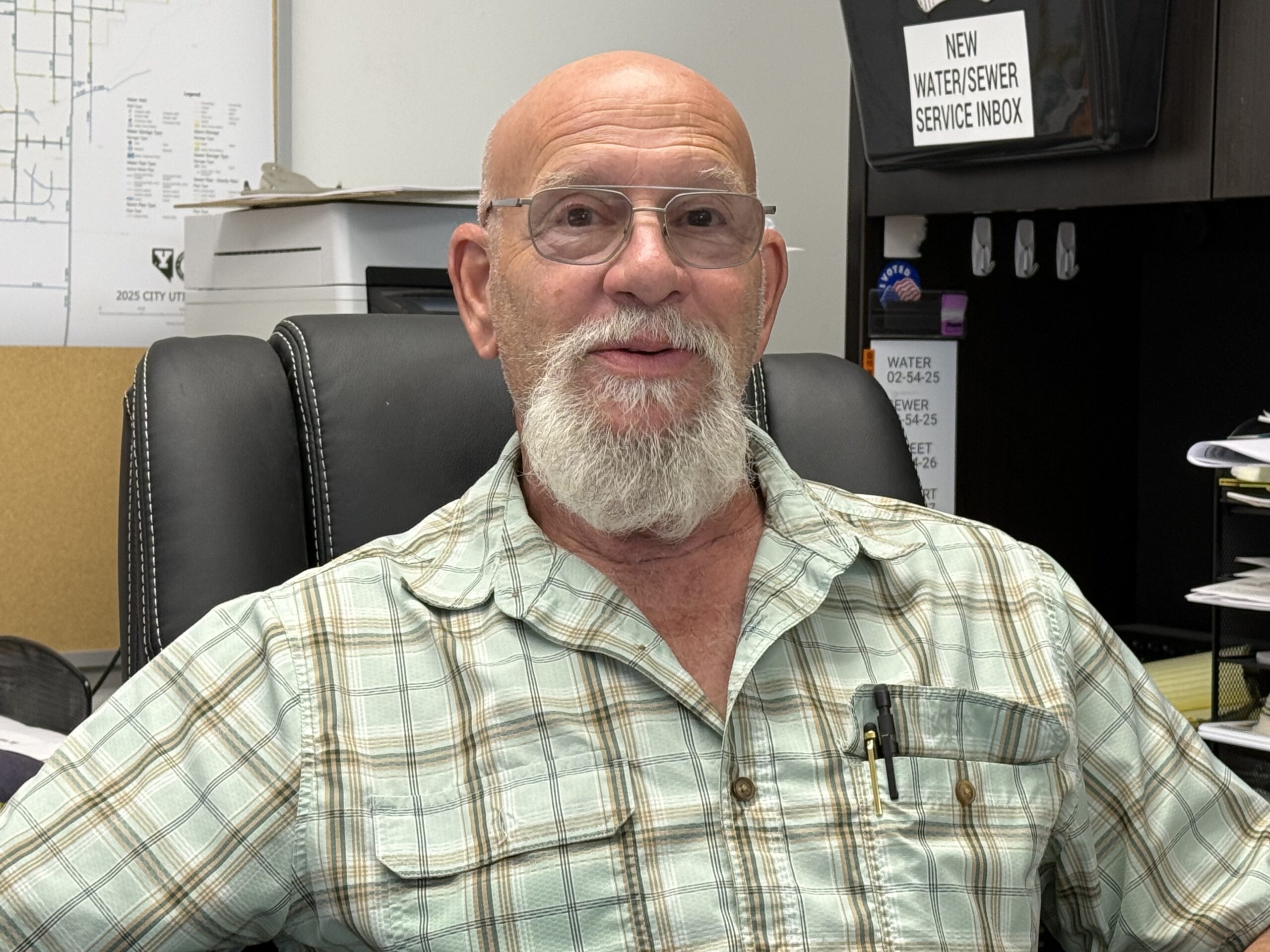
From Director Shapiro: If you have any questions or concerns, please contact me at the City of Yerington: 775-463-3511. I’d be glad to talk with you.
Paul Shapiro
Public Works Director


More Stories
Indigenous-led Prayer Run from Campbell Ranch to Anaconda Overlook: Saturday, October 24, 2026
Comstock celebrates solar-panel recycling plant in Silver Springs
Yerington City Council Meeting Agenda, Zoom Link & Documentation for Monday, October 26, 2026