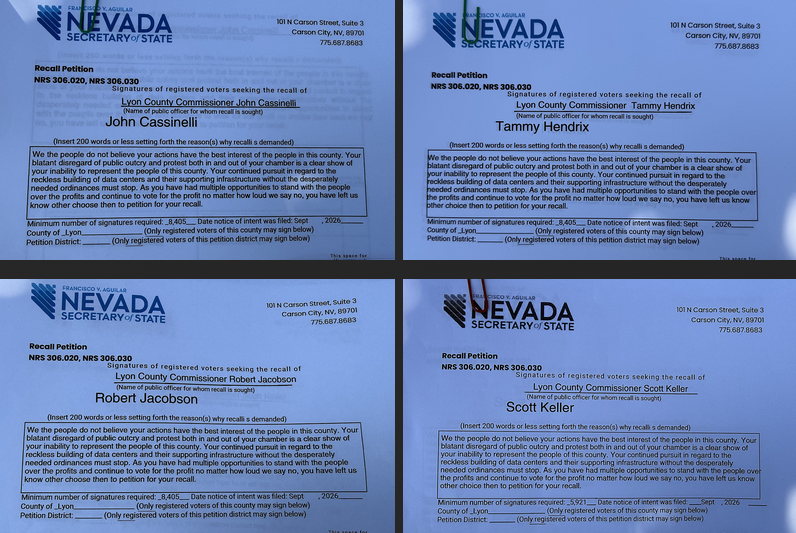
Lyon County NV – September 6, 2026
Lyon County, Nevada — September 2026
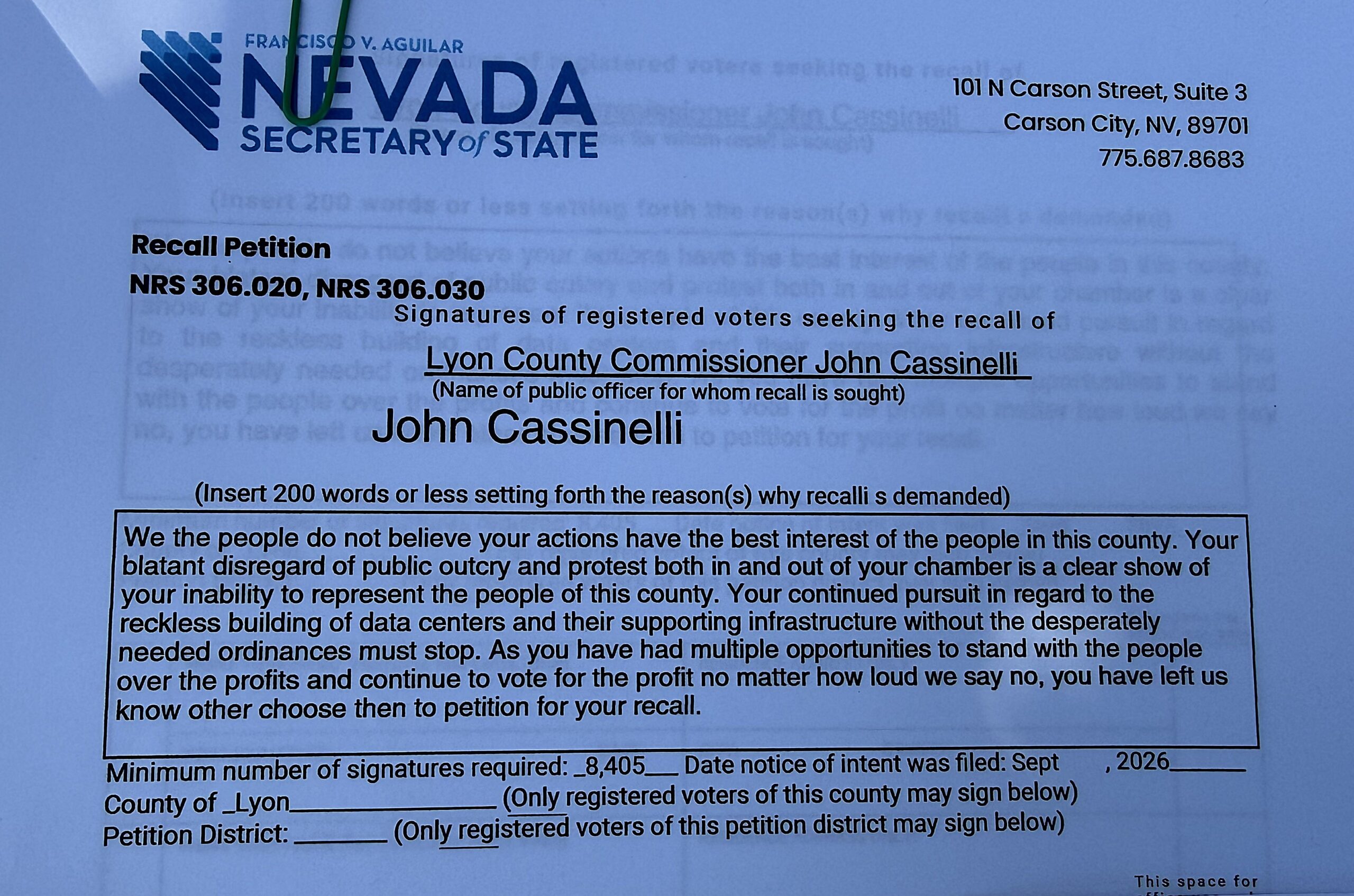
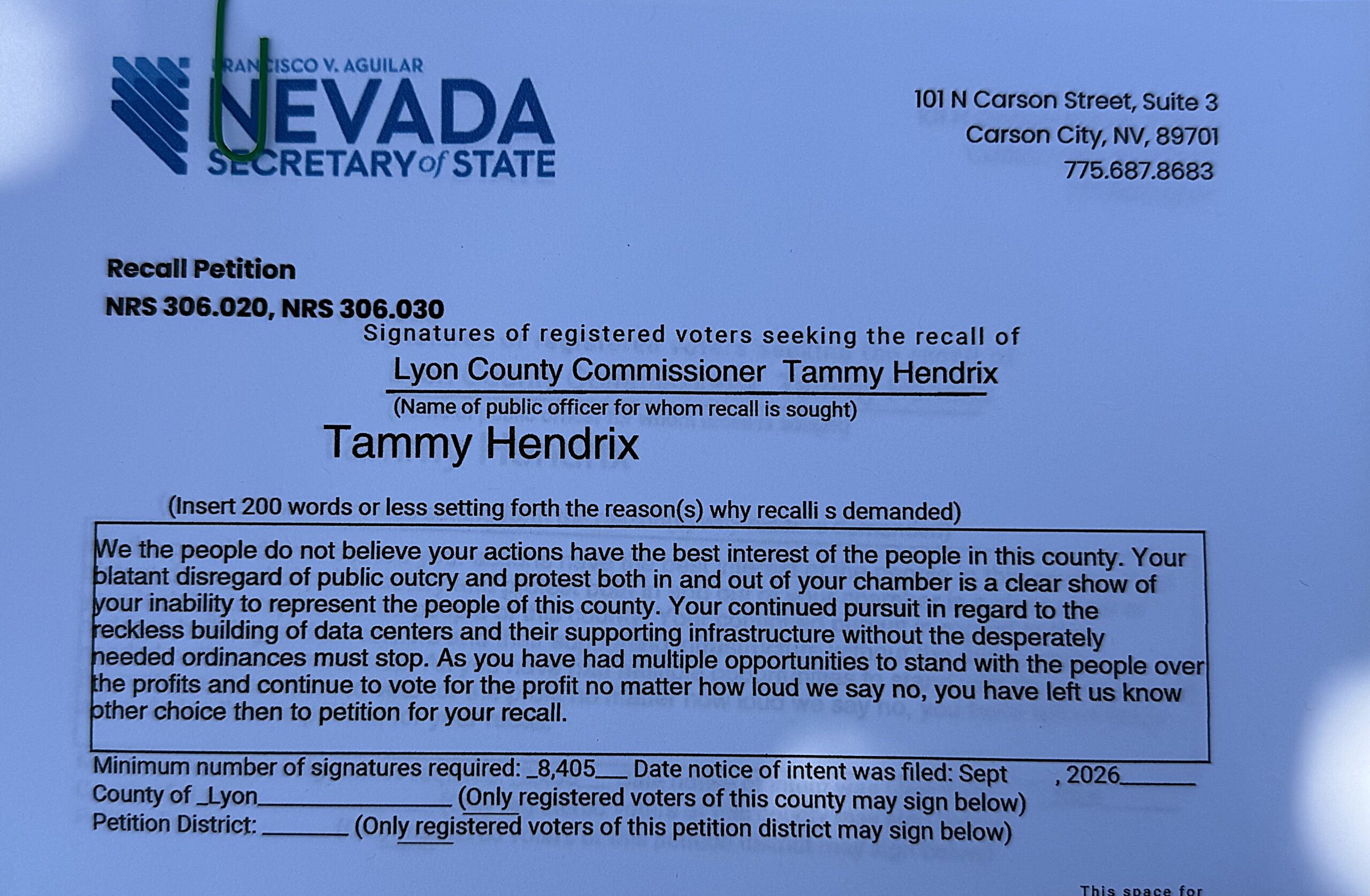
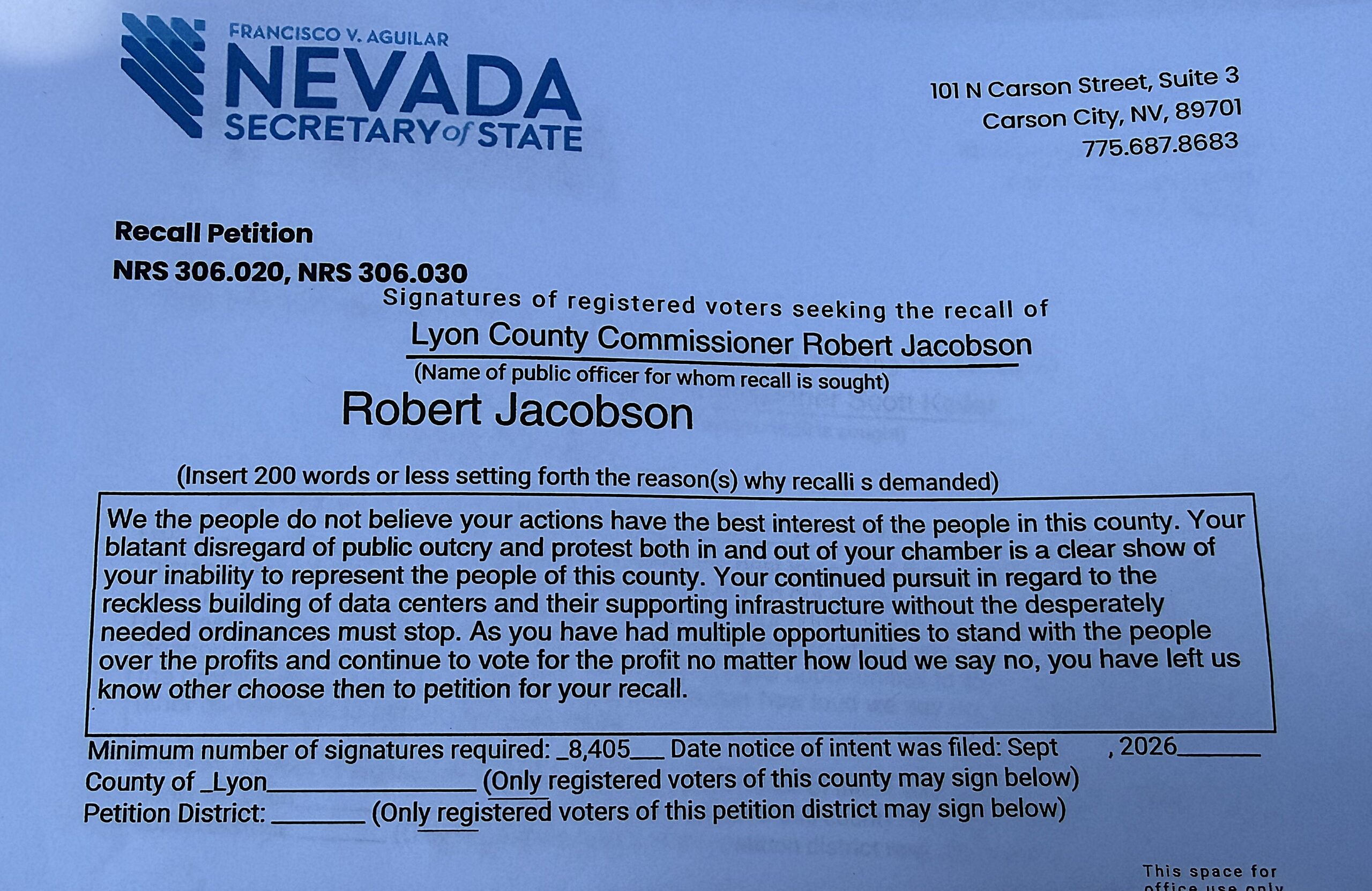
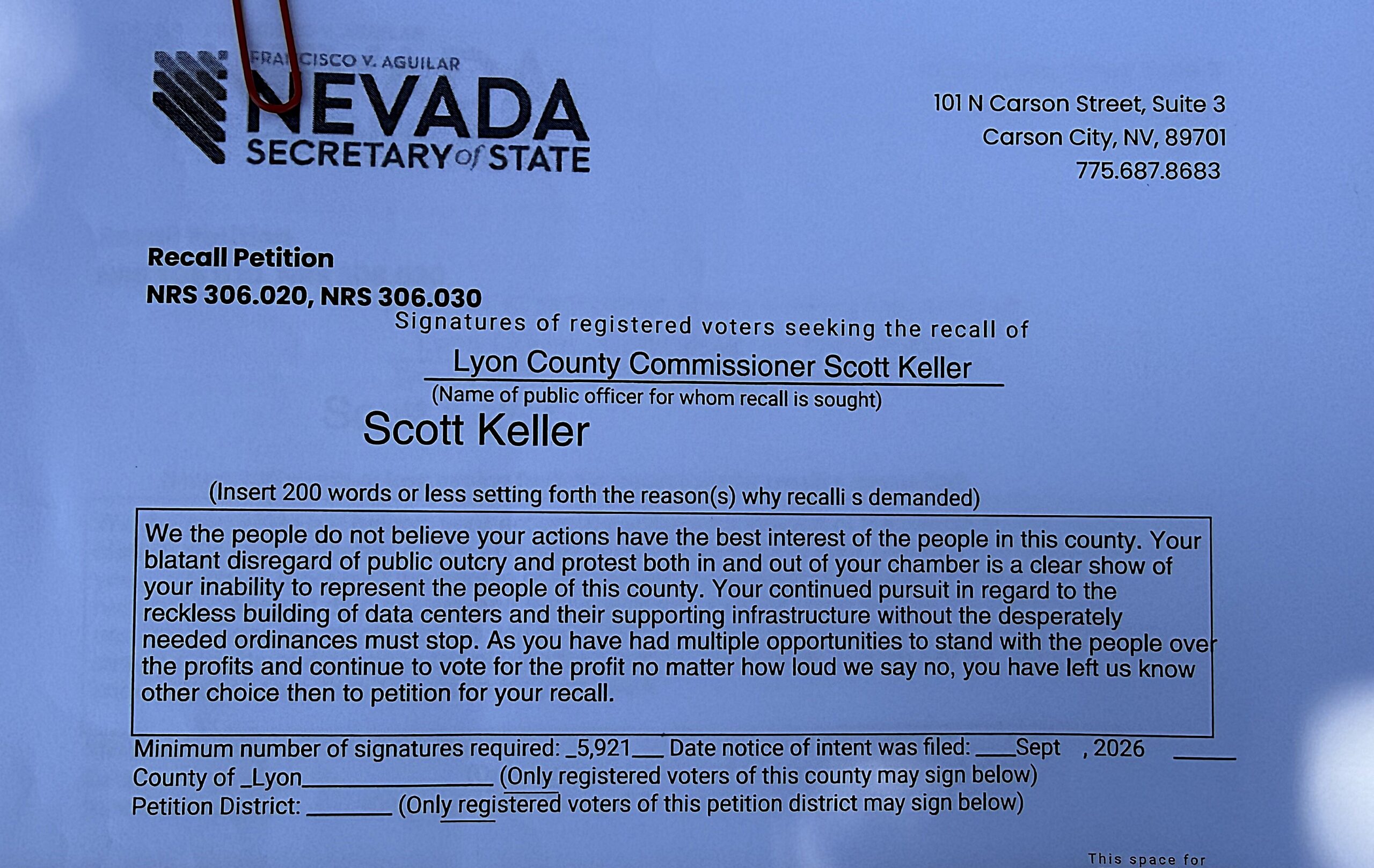
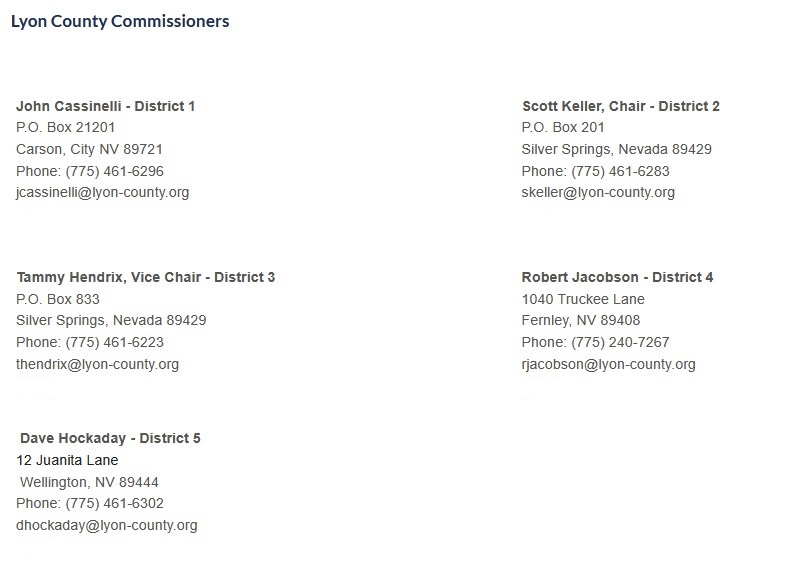
Recall petitions are being circulated seeking the removal of four members of the Lyon County Board of Commissioners: Scott Keller, Tammy Hendrix, Robert Jacobson and John Cassinelli.
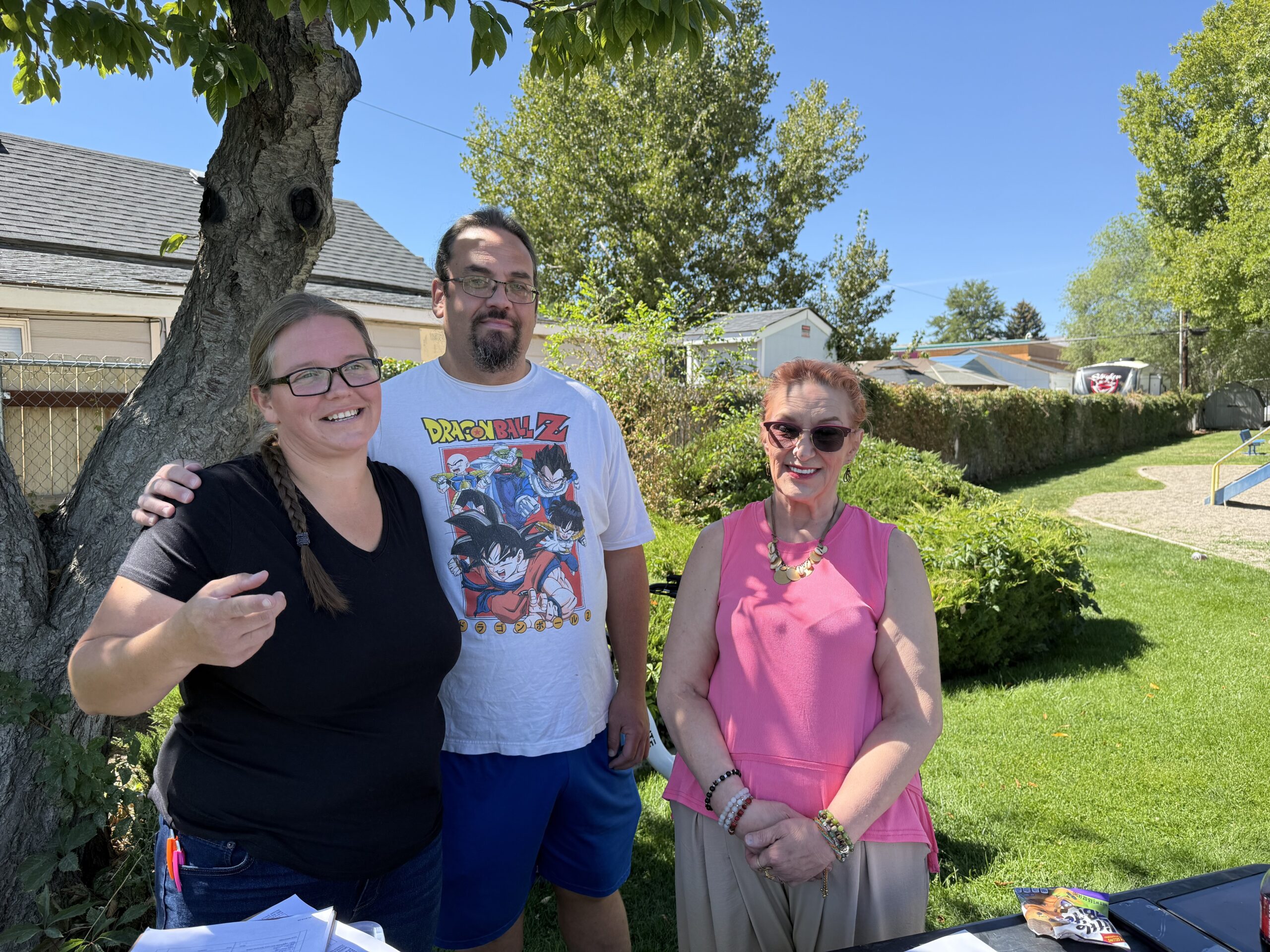
At a Recall Petition Signing event on September 6th at the Rocket Park in Yerington, Nevada, Pizen Switch Times reporter Leah Wilkinson interviewed 2 of the Recall Petition organizers: James Rosaschi and Stephanie Allen, a married couple with 2 young children who reside in Yerington. James’ family has lived in Mason Valley for 4 generations, 6 generations in Nevada. James & his family live in the generational home of his parents who were Robin & Connie Rosaschi.
According to these individuals organizing the petition effort, the recall is intended to give county residents an opportunity to hold elected officials accountable for decisions involving development, land use, infrastructure, water, housing and other issues affecting the future of Lyon County.
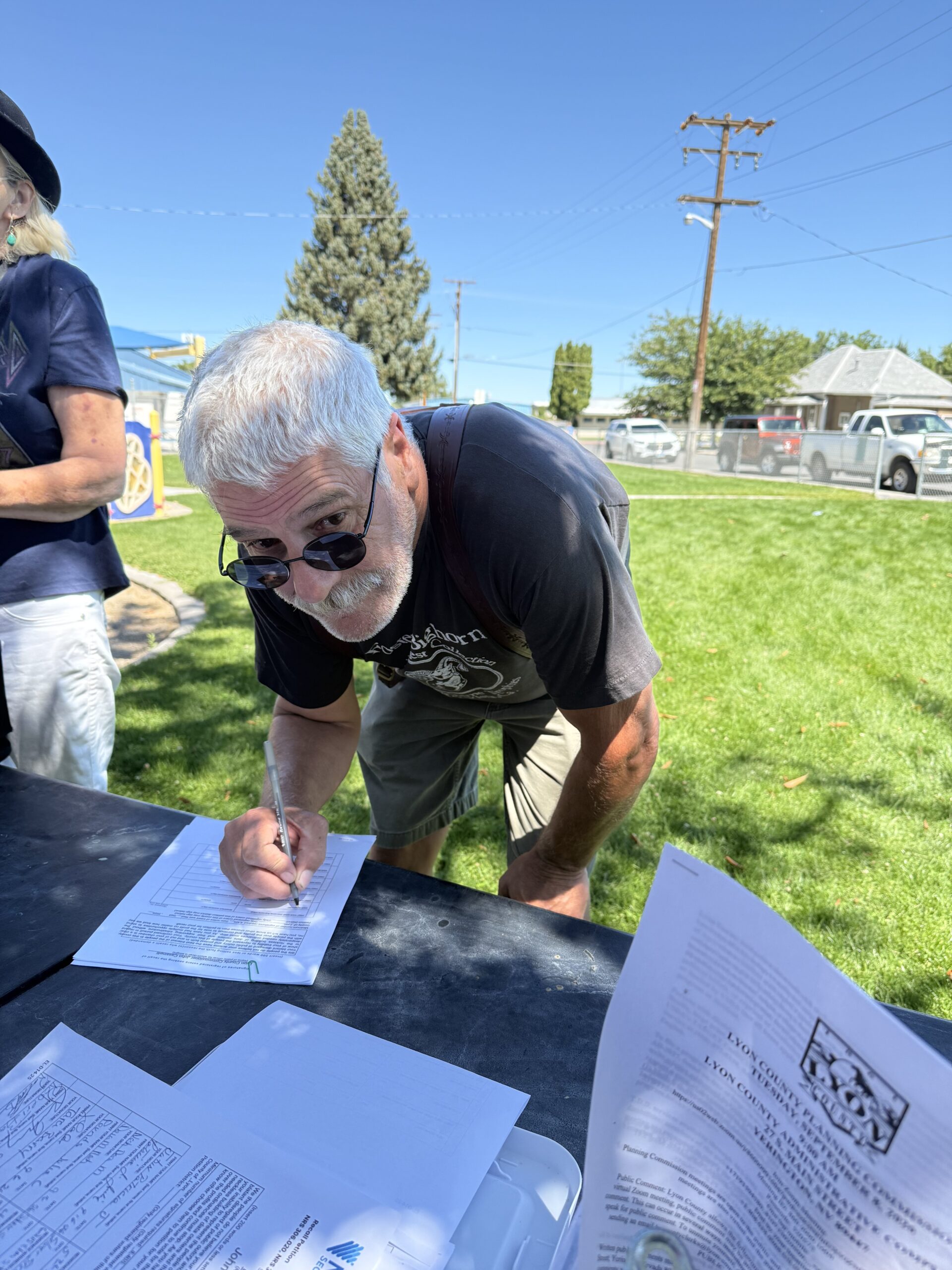
A steady stream of individuals arrived at the park to sign the recall petition, including James St. Angelo whose home and property will be impacted by the Monarch Data Center and Winston Solar Field.
Organizers emphasize that the recall effort is not limited to opposition to a single project, including the Monarch Data Center. Instead, they describe it as an effort to change what they believe is a lack of accountability to public responsiveness by county leadership.
How the recall effort began
According to the recall organizers, the process began after increasing public attendance and participation at county meetings concerning proposed development. Many people would utilize their opportunity to speak for 3 minutes during agendized public participation, others sent in letters or emails to be included on the County Commission and/or Planning Commission records. Rosaschi estimated that over the last year: Of hundreds of public comments, letters & emails, approximately 80% were against changes to the Lyon County Master Plan and 20% were for changes from 20 acre Rural Residential zoning to Planned Unit Development allowing Monarch Data Center to be built.
Stephanie Allen began researching the recall process after becoming frustrated that residents’ concerns were, in her view, not receiving adequate consideration.
Organizers subsequently went to the Lyon County Courthouse to begin the petition process: They reported that they picked up the Petition for Recall Packets on a Tuesday, September 1, 2026, thenn filed the 4 Notices of Intent to Recall on Wednesday, September 2.
The recall effort includes several additional volunteers assisting with petition circulation and signature collection.
Organizers say they are carefully screening signatures because the requirements differ depending upon which commissioner is being recalled according to their election year in 2022 (Keller) or 2024 (Cassinelli, Hendrix & Jacobson).
Why four commissioners?
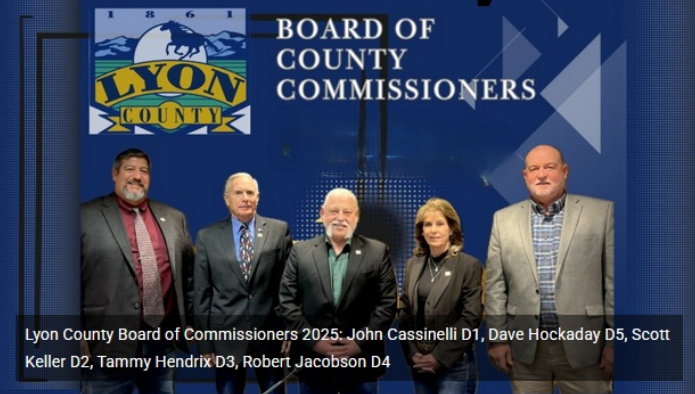
The four commissioners named in the recall effort are Keller, Hendrix, Jacobson and Cassinelli.
Hendrix, Jacobson and Cassinelli were elected in 2024, meaning Lyon County residents who were eligible to vote and who voted in those elections may be eligible to participate in the corresponding recall petitions.
Keller’s election was in 2022, meaning Lyon County residents who were eligible to vote and who voted in that election may be eligible to participate in that recall petition.
Current Lyon County voters must have voted in the election in which the commissioner was elected in order to sign that commissioner’s recall petition. To assist people who want to sign the recall petitions but do not remember which elections they voted it, the organizers do have an electronic list of Lyon County voters who voted in the 2022 and 2024 elections.
“People over profit”
A recurring theme expressed by James Rosaschi is the belief that economic development should NOT take precedence over residents’ health, safety, property rights and quality of life.
Rosaschi declared that elected community leaders should choose “people over profit.”
He pointed to attendance at Commission & Planning meetings over thee past year, saying hundreds of residents have participated in person, online or through written comments regarding development proposals. Residents (including those from neighboring communities) have asked the elected County Commissioners, the appointed Planning Commissioners, and the employees of the Lyon County Community Development Department to conduct additional environmental, traffic and infrastructure studies before approving major developments.
Traffic safety was specifically cited as a concern, particularly along U.S. 95A and other roads that could experience increased traffic from additional development. Rosaschi cited that several fatal traffic incidents have occurred in Mason Valley during the past year.
The organizers contend that discussions about the amount of tax revenue or economic activity a development could generate should not replace careful consideration of potential impacts on existing residents.
They also questioned whether projected economic benefits will necessarily materialize as presented, particularly if developers subsequently decide to utilize available tax abatements or incentives.
Development and the proposed Monarch Data Center
While Commissioner’s approval of the Monarch Data Center is the origin for the present recall petition, organizers stressed that the recall effort is even broader than that project.
They expressed concern about the sequence in which development projects and county ordinances are being considered, with concern that County Commissioners are giving industry developers too much influence over regulations governing the development.
Stephanie Allen referred to the county’s data-center ordinance workshop and said she believed material presented at the workshop reflected Monarch’s desired development standards.
The organizers argue that comprehensive regulations should be established before individual projects are approved, rather than developing regulations after a particular project has already received approval.
They also questioned why new ordinances would not necessarily apply to projects that have already received approval, but had not yet ‘broken ground’. On August 3, 2026 the Lyon County Board of Commissioners held a Data Center Workshop, but did not finalize the ordinance.
On August 6, 2026 at the Lyon County Board of Commissioners meeting, the Commissioners voted 3 yes, to 1 no, 1 recused for possible conflict of interest, to approve Copia’s Monarch Data Center PUD Planned Unit Development request. Unofficial transcript:
Commissioner Hendrix: “ I move to approve the request from Copia Power Devco, LLC, for approval of a zone change to Planned Unit Development for the Monarch Data Center, a 4.6 million square foot, 1,000 Megawatt (MW) data center consisting of 8, two-story buildings up to 75 feet tall, a
500-MW battery energy storage system, a 500-MW natural gas backup system, an electrical substation,
high voltage power lines and other accessory uses over two parcels subject to RR-20 (Rural Residential,
20-acre minimum) zoning totaling 505.40 acres in accordance with the Monarch Data Center Specific
Plan (APNs 014-201-07 and 014-201-30); PLZ-2026-041.) Subject to the condition that max building height bee 75 feet.”
Commissioner Keller: “Can I have a second?”
Commissioner Jacobson: “Second”
Commissioner Keller: “We have a motion and a second; motion by Commissioner Hendrix and a second by Commissioner Jacobson. Those in favor, say aye.”
Commissioners Keller, Hedrix & Jacobson: “Aye”.
Commissioner Keller: “Those opposed?”
Commissioner Hockaday: “Nay”.
Commissioner Keller: “The vote is 3 to 1 with Commissioner Hockaday saying ‘Nay’ And Commissioner Cassinelli abstaining.
Technology is occurring faster than governing boards can keep up. James Rosaschi emphasized that future commissioners must establish clear development standards BEFORE development is approveed, and require proposed projects to comply with those standards.
Water, heat, traffic and infrastructure concerns
The discussion surrounding the recall also included concerns about the cumulative effects of large-scale development.
Water usage was among the issues raised, along with wastewater capacity, road infrastructure, traffic, heat generated by data centers and the proximity of industrial developments to existing residential areas.
The organizers also expressed concern about proposed RV developments and temporary-worker housing, saying that additional residential capacity should be planned in a manner that benefits existing residents as well as incoming workers.
They questioned whether adding large numbers of RV spaces and temporary accommodations adequately addresses Lyon County’s broader housing shortage.
Housing affordability was another concern.
The organizers said that increasing demand from incoming workers could place additional pressure on an already limited housing supply and potentially make it more difficult for longtime residents to remain in the communities where they live.
A rural community facing rapid change
Underlying many of the concerns expressed by the recall organizers is a belief that Lyon County is changing rapidly.
They described Mason Valley and surrounding communities as traditionally rural areas shaped by agriculture, mining and small-town life.
They said they are not opposed to all economic development and acknowledged that mining and other industries have long been part of Lyon County’s economy.
Their argument is that new development should be appropriately located and regulated so that it does not unnecessarily affect neighboring residents.
One organizer said that large-scale developments could potentially be accommodated if appropriate ordinances, setbacks and other safeguards were established.
The concern, they said, is not necessarily whether development occurs, but how and where it occurs and whether adequate protections are in place before it begins.
A question of accountability
The organizers repeatedly returned to the word accountability when explaining the purpose of the recall petitions.
They said they want elected officials to listen to residents rather than primarily responding to developers, business interests or other influential groups.
They also acknowledged that recalling elected officials does not guarantee that their replacements will make decisions residents prefer.
Nevertheless, they said they believe the recall process itself can send a message to elected officials about the importance of public participation.
“We need someone putting in ordinances,” one organizer said, describing the desired commissioners as officials who would establish clear rules and require development proposals to meet those standards.
What happens if the petitions succeed?
The recall process involves several stages, including gathering and verifying signatures and determining whether the petitions meet the statutory requirements.
According to the organizers, the petitions will be submitted after the required circulation period, at which point the appropriate officials will review the signatures.
They said the number of valid signatures required is tied to the number of voters who participated in the applicable election, which is why the requirements differ between the commissioners elected in 2024 and Keller, who was elected in 2022.
The organizers also stated that a successful recall could result in a special election for one or more of the commission seats.
They are encouraging residents to learn about the recall process, determine their eligibility and make their own decision about whether to participate.
More than one issue
While the proposed Monarch Data Center and other large-scale development projects are central to many of the concerns expressed by the recall organizers, the petition effort encompasses broader questions about the direction of Lyon County.
Those questions include:
- * How quickly should large-scale development occur?
- * What environmental and infrastructure studies should be required?
- * How should water resources be managed?
- * How should roads and traffic be addressed?
- * How should new housing and temporary-worker housing be integrated into existing communities?
- * What setbacks and other protections should apply to large industrial developments?
- * How much weight should public testimony carry in development decisions?
- * And ultimately, how should elected officials balance economic development with the interests of existing residents?
The recall organizers say their objective is to make those questions part of the public conversation and to hold elected officials accountable for the decisions they make.
Whether the recall petitions ultimately qualify for a special election, and whether voters choose to remove any of the four commissioners, will depend on the petition process, signature verification and, if an election is triggered, the voters of Lyon County.
For residents, the recall effort represents another development in an increasingly active public debate over how Lyon County should manage growth while preserving the character, resources and quality of life of its rural communities.
Recall organizers can be reached at this email address: recall_lcbocc@yahoo.com
Lyon County Commissioners can be reached at:
How Nevada’s Recall Process Works
Nevada law provides a specific process for recalling elected public officials.
For a county officer, a recall petition must ultimately contain valid signatures from at least 25% of the number of voters who actually voted in the county, district or municipality at the election in which the officer was elected. The requirement is therefore based on voter turnout in the applicable election, rather than the total number of registered voters.
The law also limits who may sign a recall petition. A signer must be a registered voter within the applicable jurisdiction who actually voted in the election in which the public official was elected. Consequently, the pool of eligible signers can differ from one commissioner to another when commissioners were elected in different elections.
Once a notice of intent to circulate a recall petition has been filed, Nevada law establishes deadlines for collecting and submitting signatures. Petition circulation generally cannot continue beyond the 90th day following the filing of the notice of intent. Signatures must then undergo official verification by election officials.
Meeting the required number of signatures does not itself immediately remove an elected official from office. After verification, there are statutory procedures allowing signatures to be withdrawn and providing an opportunity for the legal sufficiency of the petition to be challenged in district court.
If the petition survives those procedures and contains the required number of valid signatures, a special recall election is called. Voters then decide whether the official should remain in office.
Nevada law also provides a process for placing other candidates on the special-election ballot. A candidate seeking to replace the official must meet the statutory nomination requirements, including submitting a nominating petition containing signatures equal to 25% of the applicable voter turnout and filing a declaration of candidacy and required fee within the prescribed deadline.
If no replacement candidates qualify, the ballot asks voters whether the official should be recalled. If the official is recalled without another candidate being elected at that election, the resulting vacancy is filled by the governor.
The recall process is therefore more than a petition-signing effort. It involves signature eligibility, statutory deadlines, official verification, potential legal challenges and, if the requirements are satisfied, a special election in which voters make the final decision.
More Stories
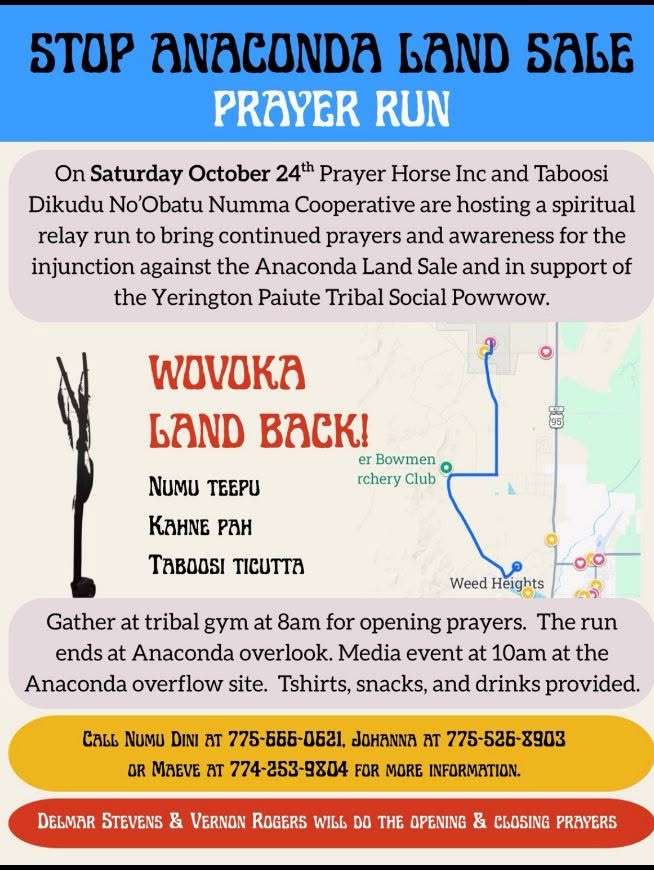
Indigenous-led Prayer Run from Campbell Ranch to Anaconda Overlook: Saturday, October 24, 2026
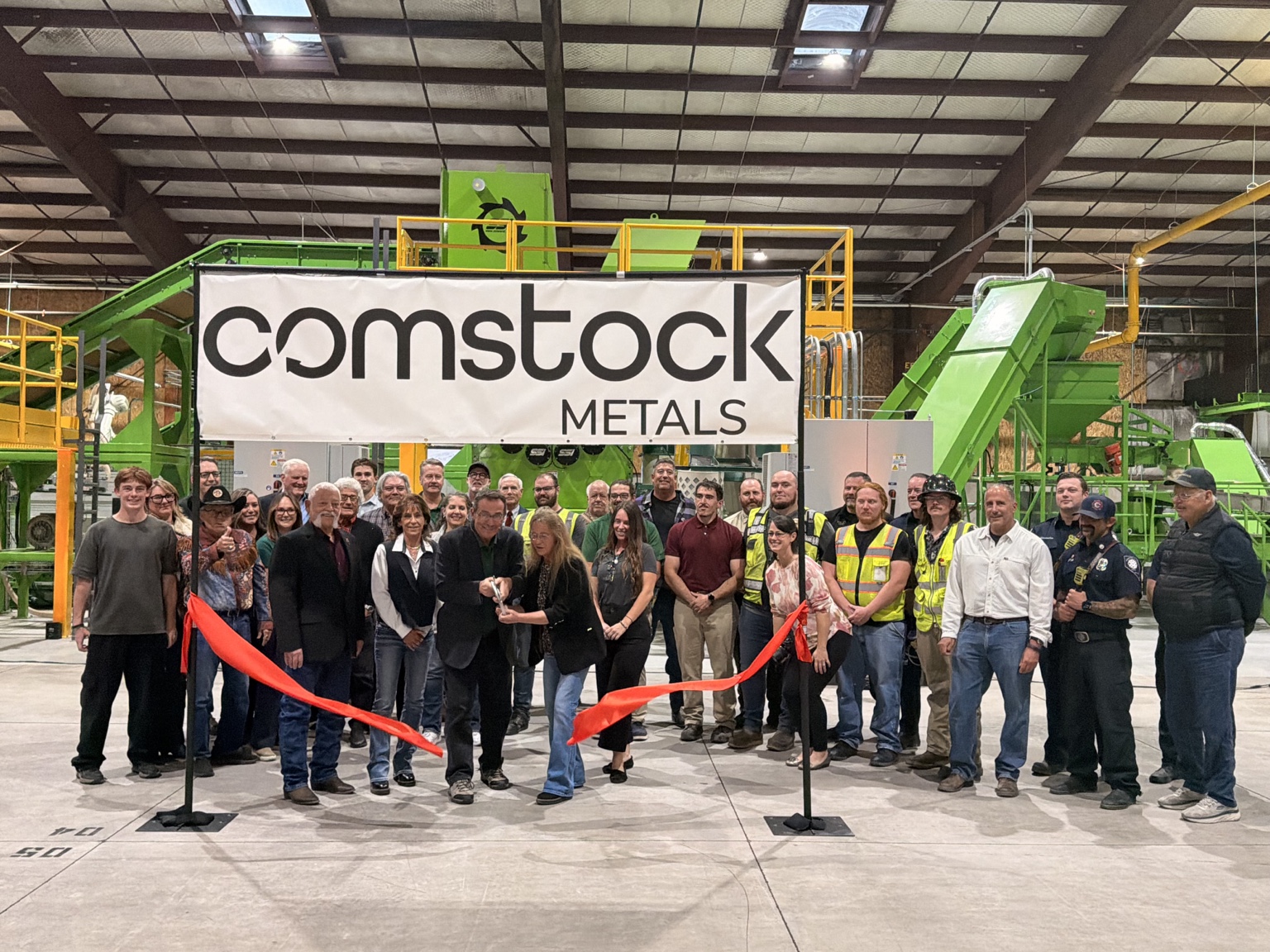
Comstock celebrates solar-panel recycling plant in Silver Springs
Yerington City Council Meeting Agenda, Zoom Link & Documentation for Monday, October 26, 2026