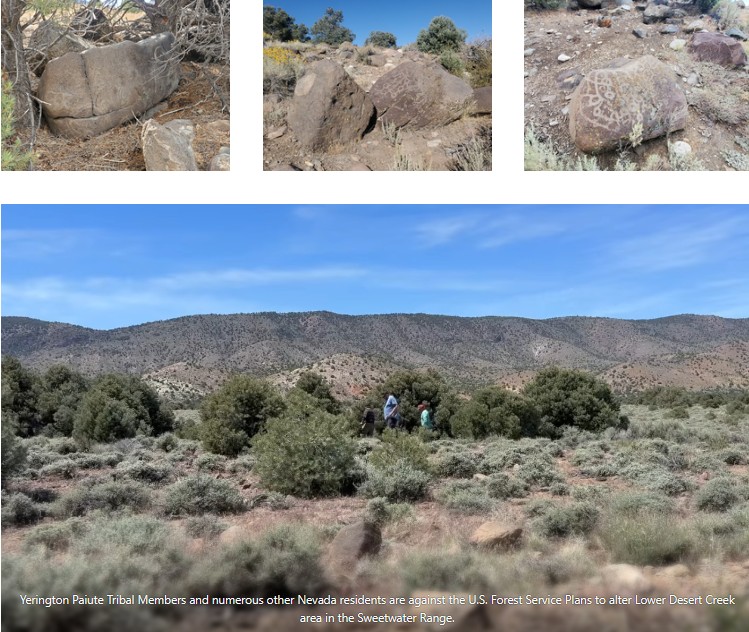
Lower Desert Creek, Sweetwater Mountain Range, Lyon County, Nevada – May 8, 2026
Elders, spiritual leaders, and community members reject Forest Service plans in Nevada’s Sweetwater region
Desert Creek in Nevada lies within the Sweetwater Mountains region, a rugged landscape of streams, canyons, sagebrush valleys, and pinenut forests stretching across Lyon County and the California border. Originating in California’s Sweetwater Mountains, Desert Creek flows eastward into the Smith Valley area. Nearby, the Desert Creek Mountains are considered a northern extension of the greater Sweetwater Range.
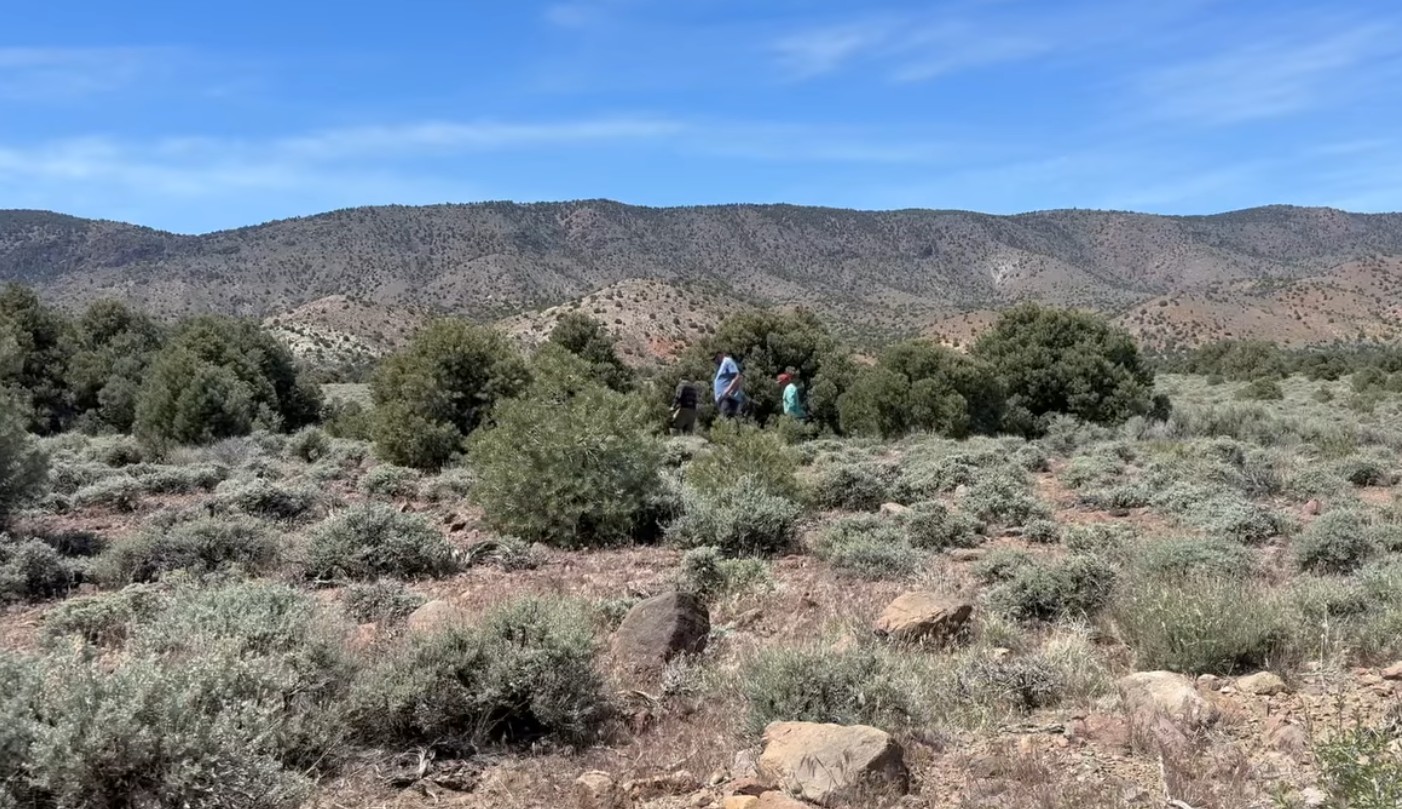
Laverne Roberts of the Yerington Paiute Tribe organized a meeting for Friday, May 1, 2026 at Lower Desert Creek: “We had 24 people show up: 5 forestry staff, a father & daughter from Desert Creek who had a house there, 6 Yerington Paiute Tribal members, 3 Walker River Paiute Tribal members, 1 Mono Lake Tribal Member, 1 Fallon Tribal member, 4 Bridgeport Tribal members, 1 Bishop CA Tribal member and 1 Pyramid Lake Tribal member. We all came to give prayers, tell our stories of why that area was so important to our Indian people and let the forestry department know we are watching them.”
The 5 forestry staff included federal employees from the Bridgeport Ranger District of the USDA U.S. Forest Service within the Humboldt-Toiyabe National Forest system who agreed to discuss planned pine tree removal projects in the Lower Desert Creek area near Sweetwater Way.
Following the meeting, Misty Stevens, a resident of Yerington, Nevada described the experience as deeply troubling.
“A very disheartening day,” Stevens said. “A meeting with the Forest Service at Lower Desert Creek on the edge of Smith Valley as you are headed up Sweetwater Way, regarding the planned slaughter of our tree relatives.”
Stevens stated that tribal members were informed the project would proceed despite objections raised by people present at the meeting and tribal communities. The Forest Service employees plan to begin cutting the trees in June 2026.
“They say ‘Don’t cut the trees’ is not an option. The plan is going forward,” Stevens said. “They sent out letters of notice to 12 or 13 tribes and got no responses. However, we know YPT and other tribal councils signed resolutions against cutting the pine trees.”
According to Stevens, Forest Service officials said the project is intended to improve sage grouse habitat and reduce wildfire risk through selective and complete removal of pinyon pine stands in several locations.
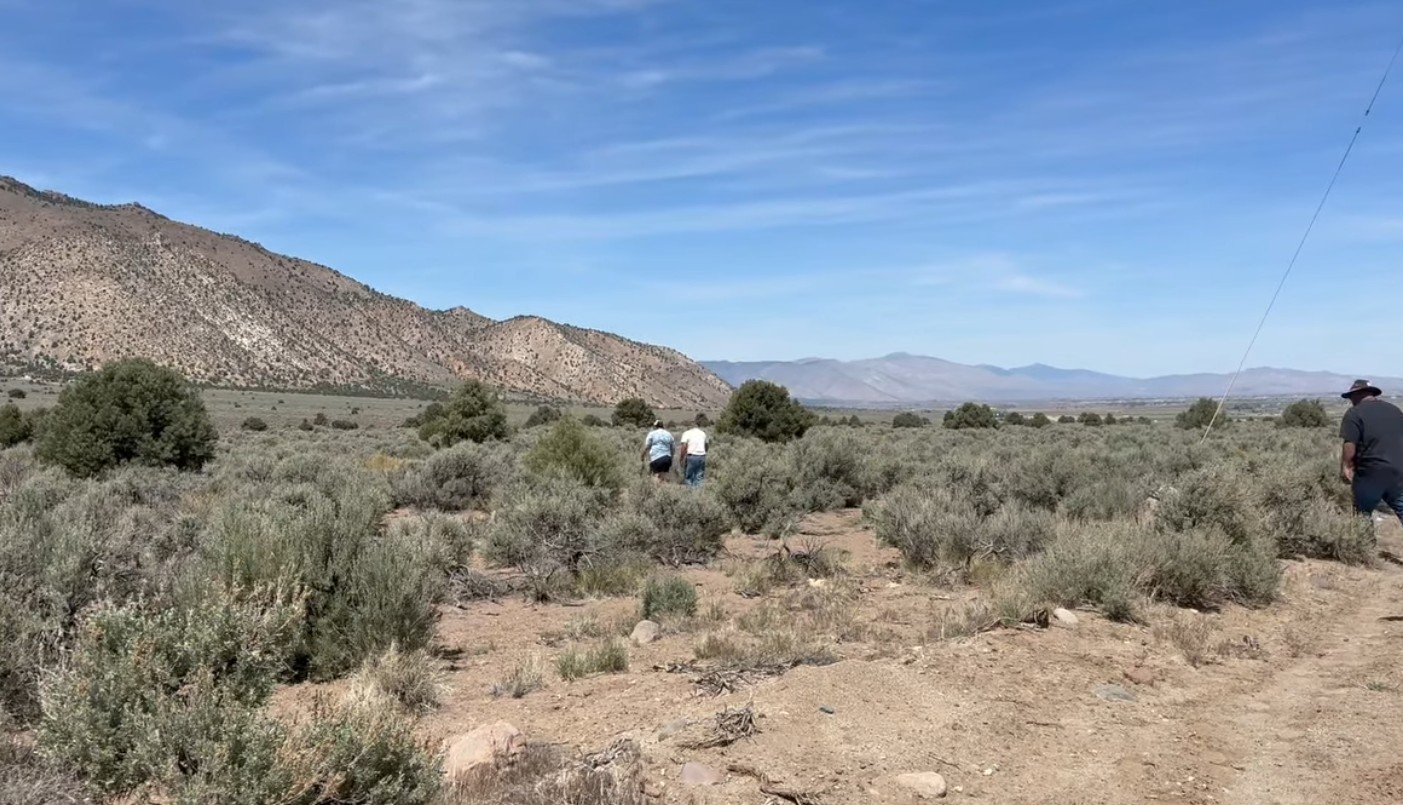
Stevens explained the Forest Service plans. “At the first stop, all trees will be cut down. At the second, it’s every other tree, and in the last spot they are going to remove all the young trees. They claim the pine trees are killing the sagebrush.”
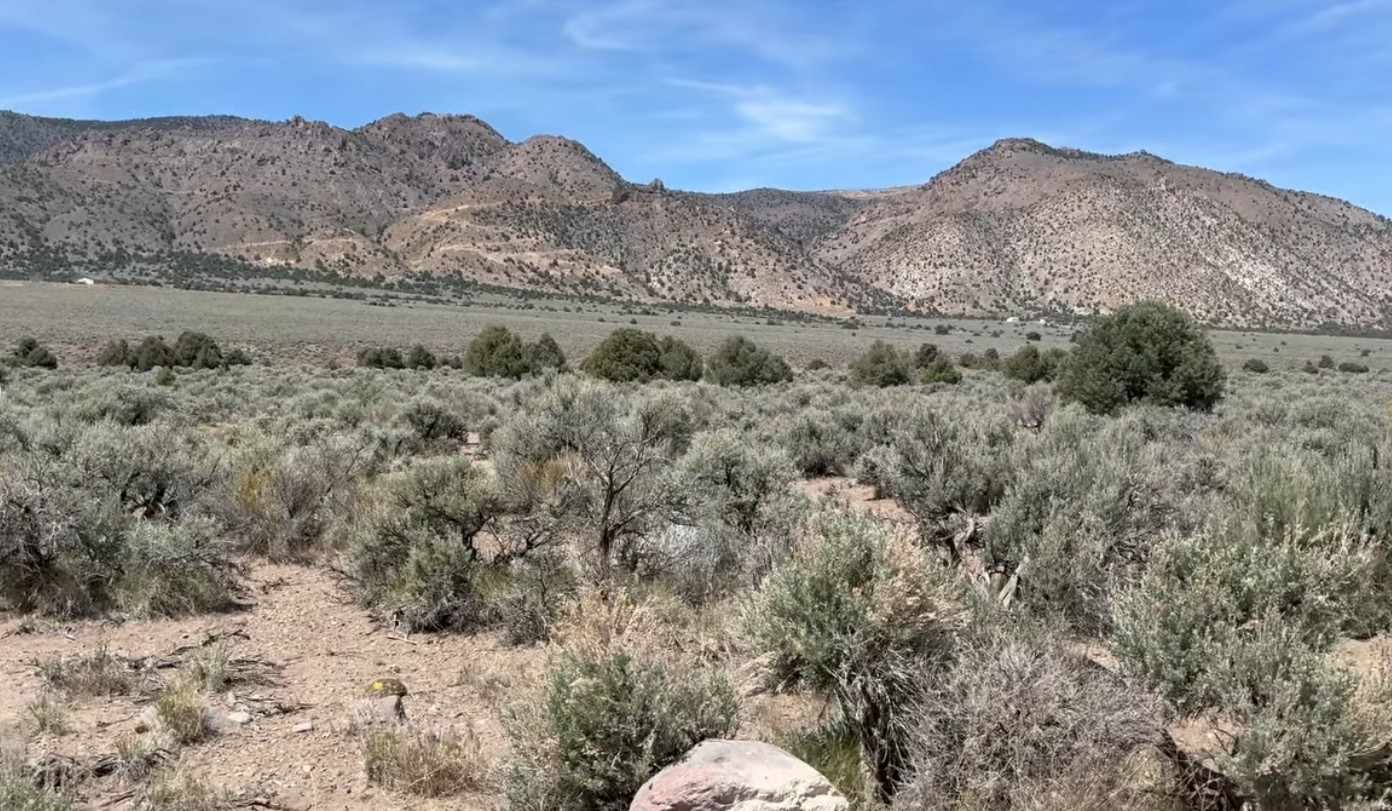
Stevens and other tribal members questioned both the environmental reasoning behind the project and the apparent lack of recognition given to cultural and archaeological sites located throughout the area.
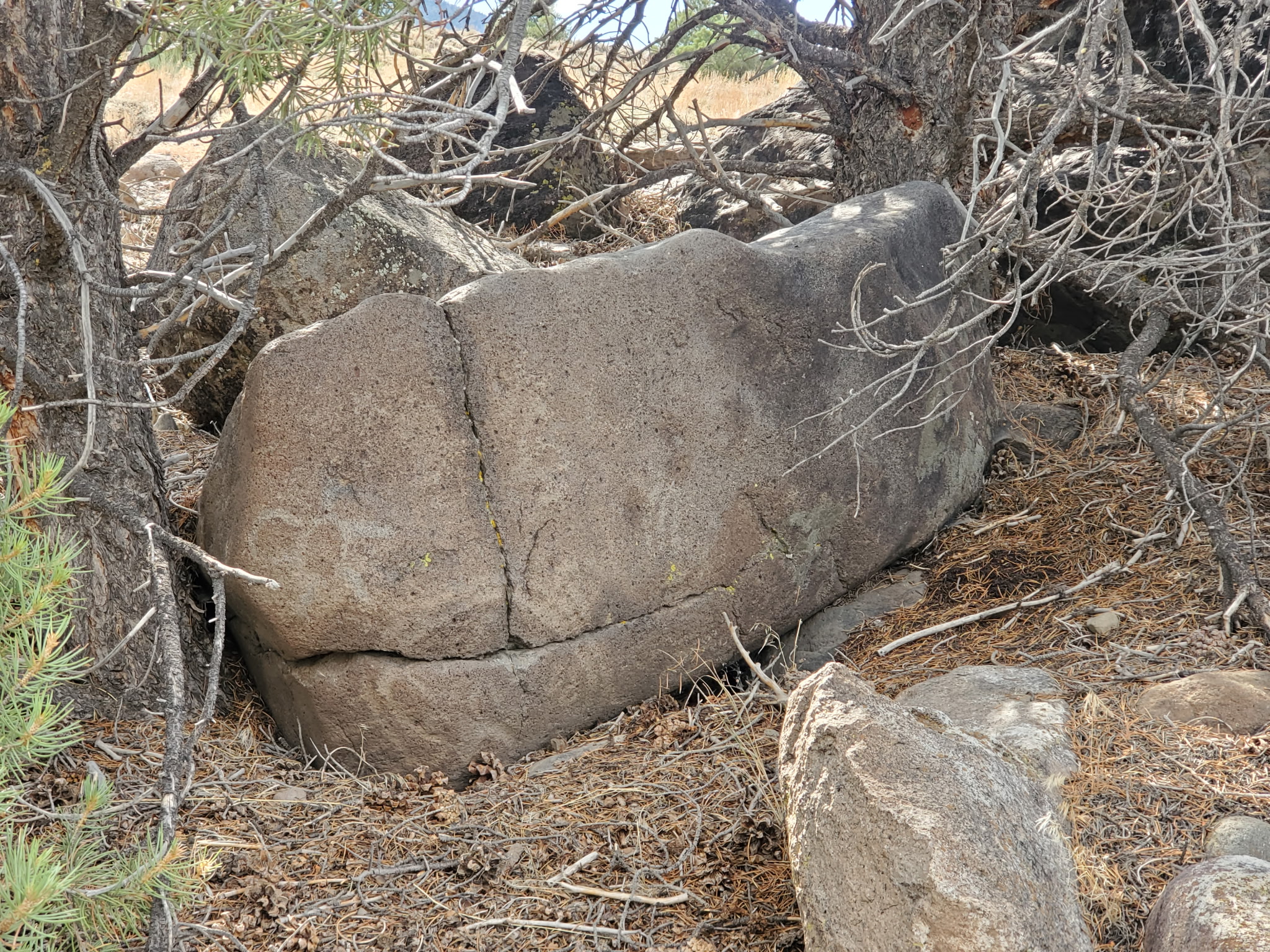
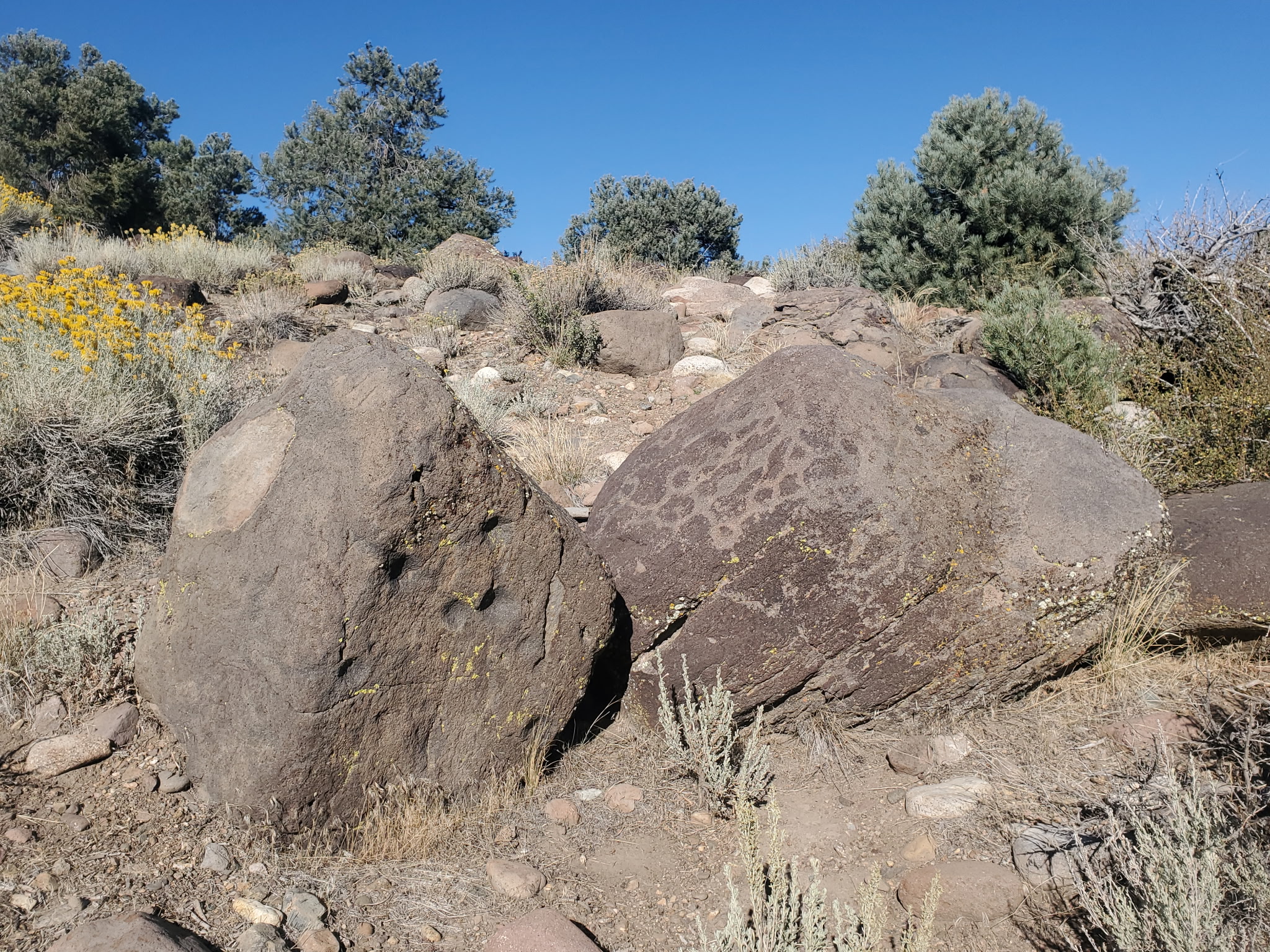
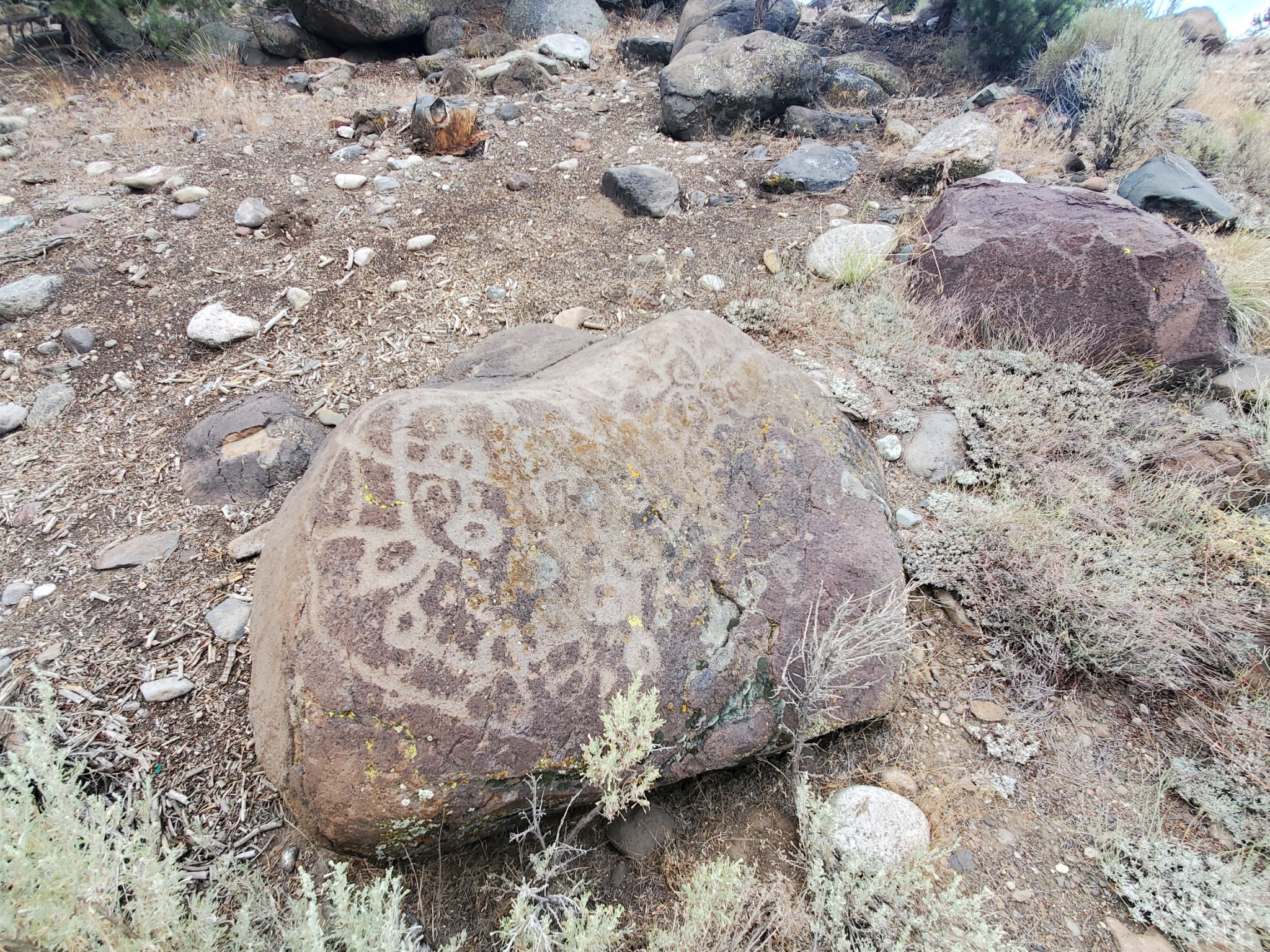
“There are remains of native camps, grinding rocks, and petroglyphs that their staff could not recognize,” Stevens said, “…in all their ‘science and archeology’.”
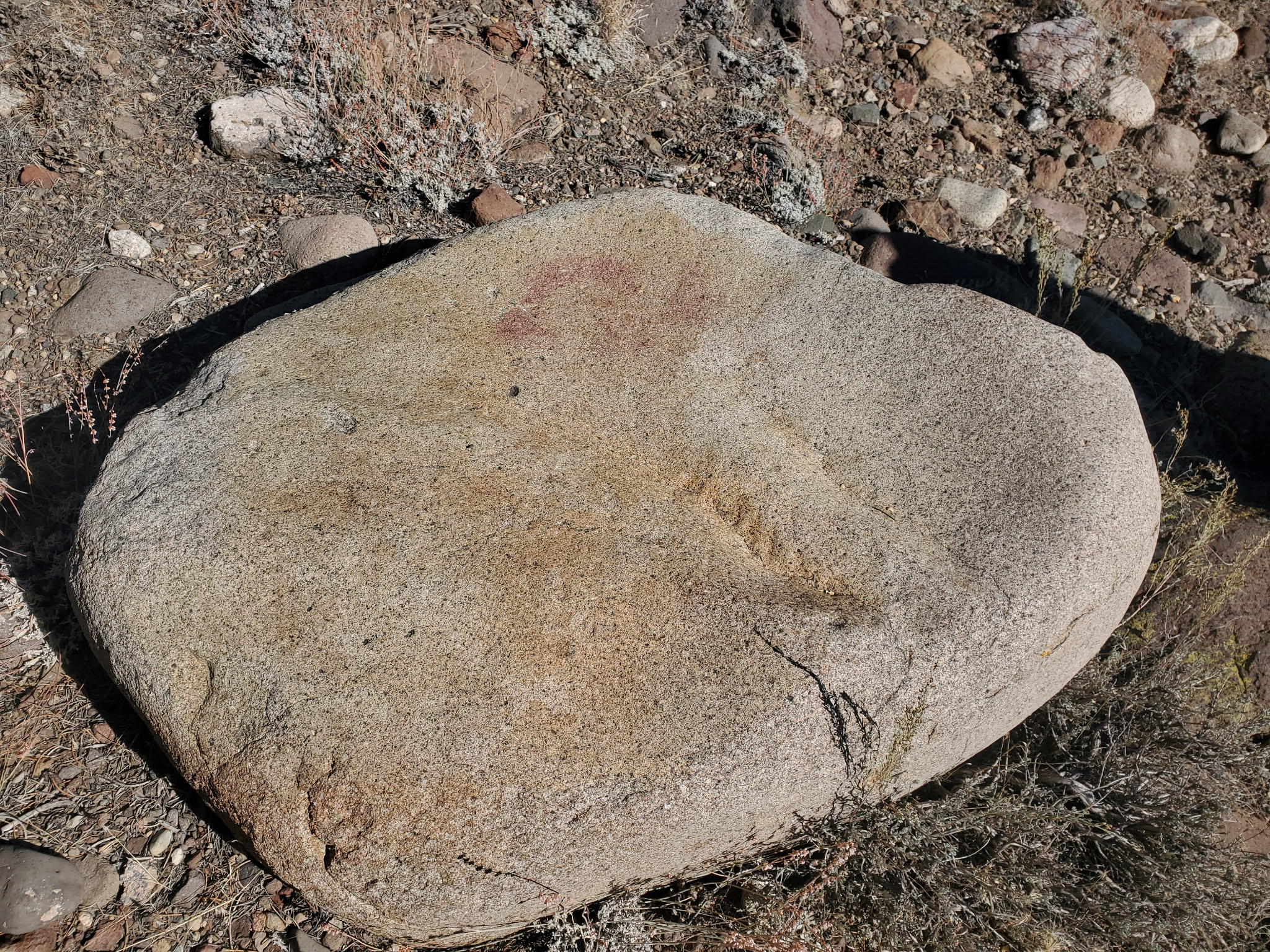
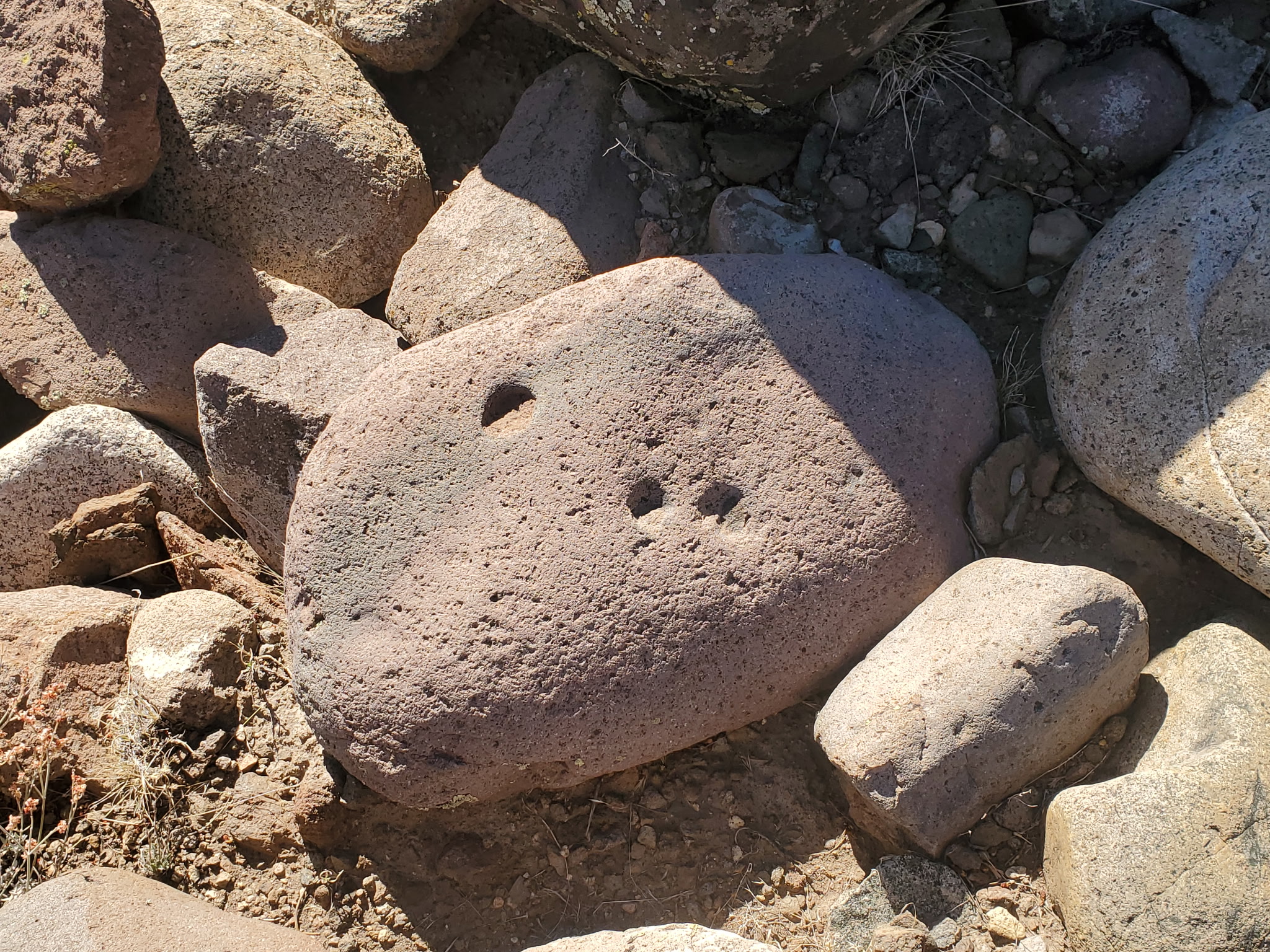
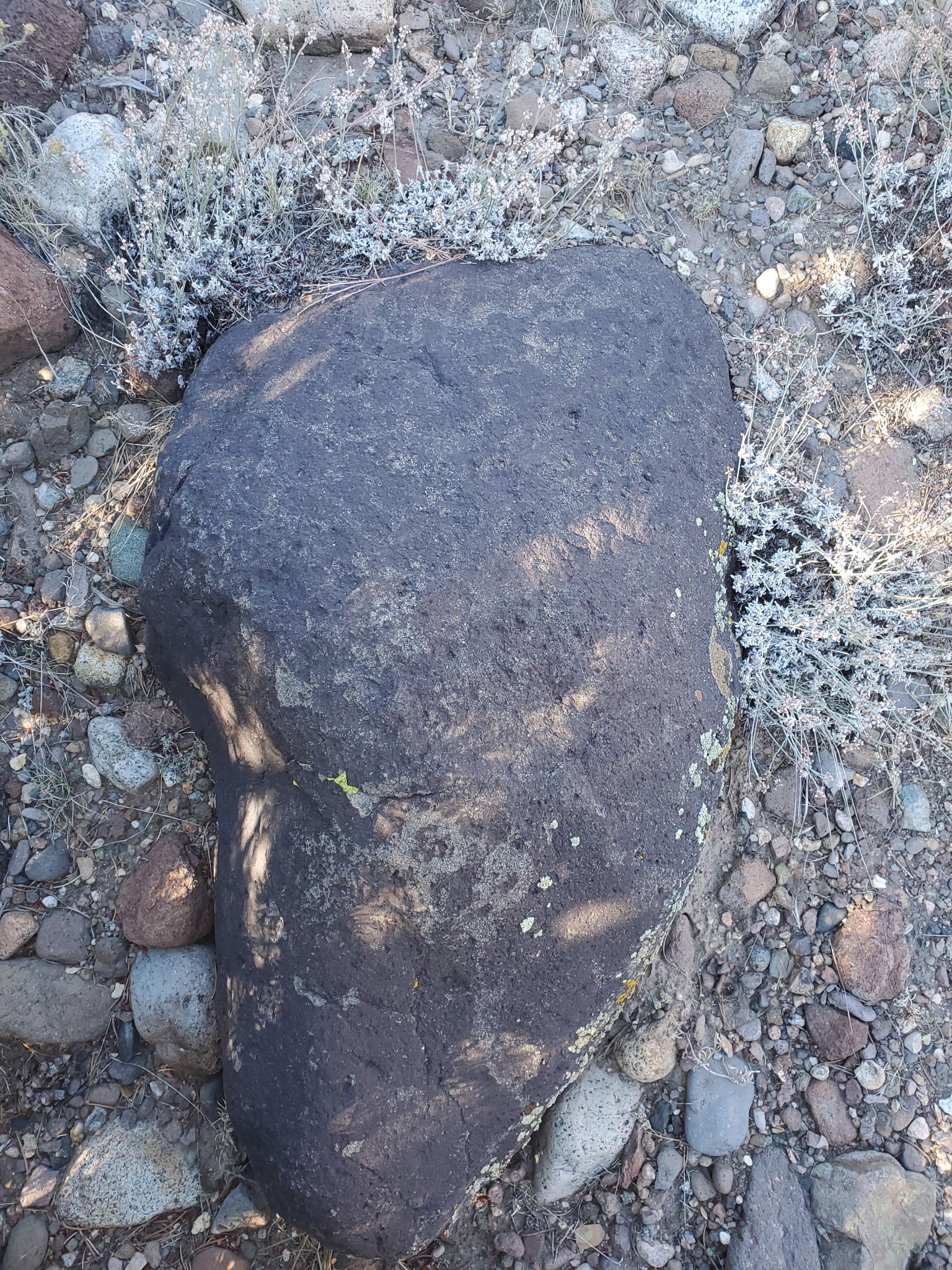
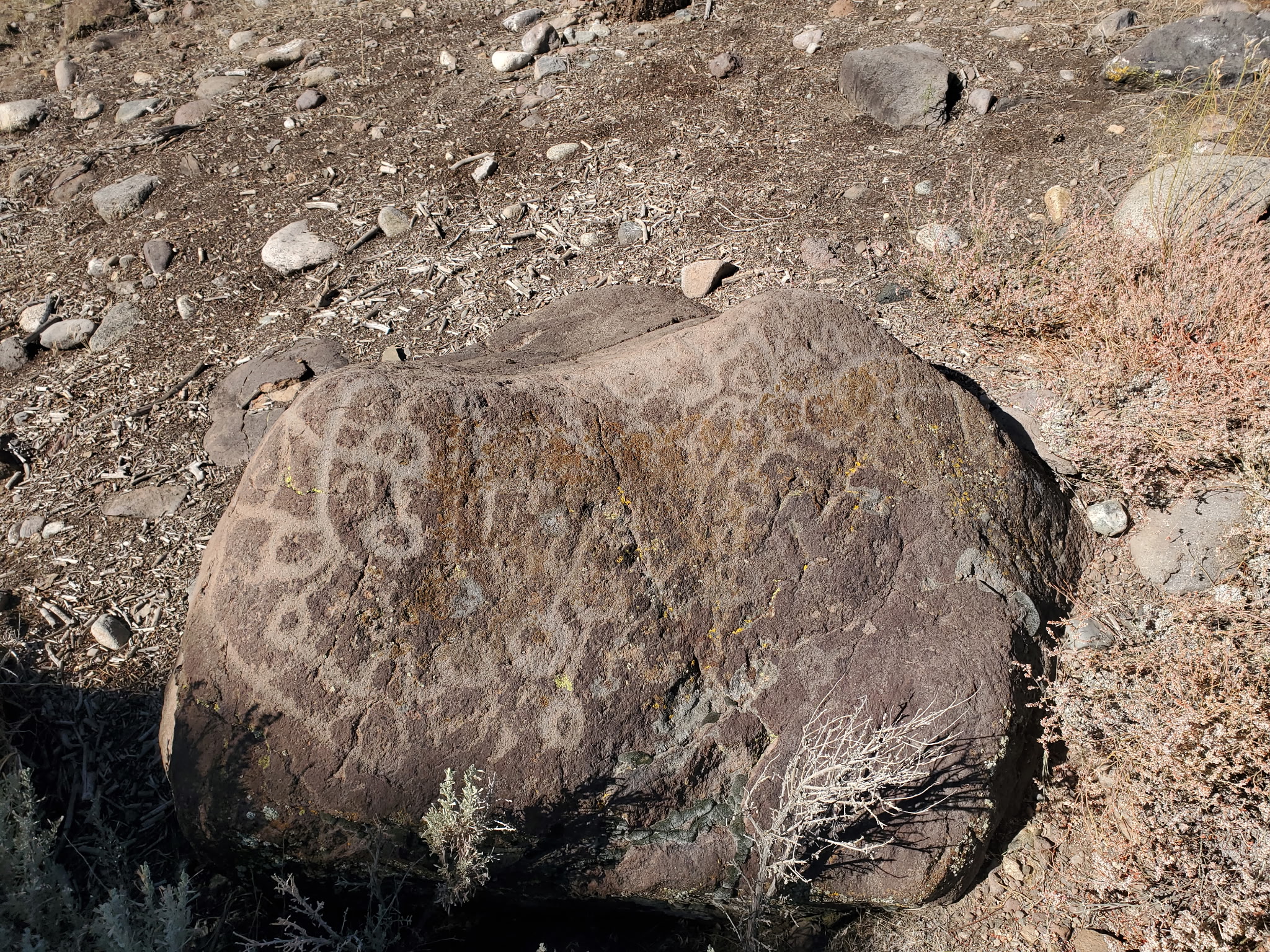
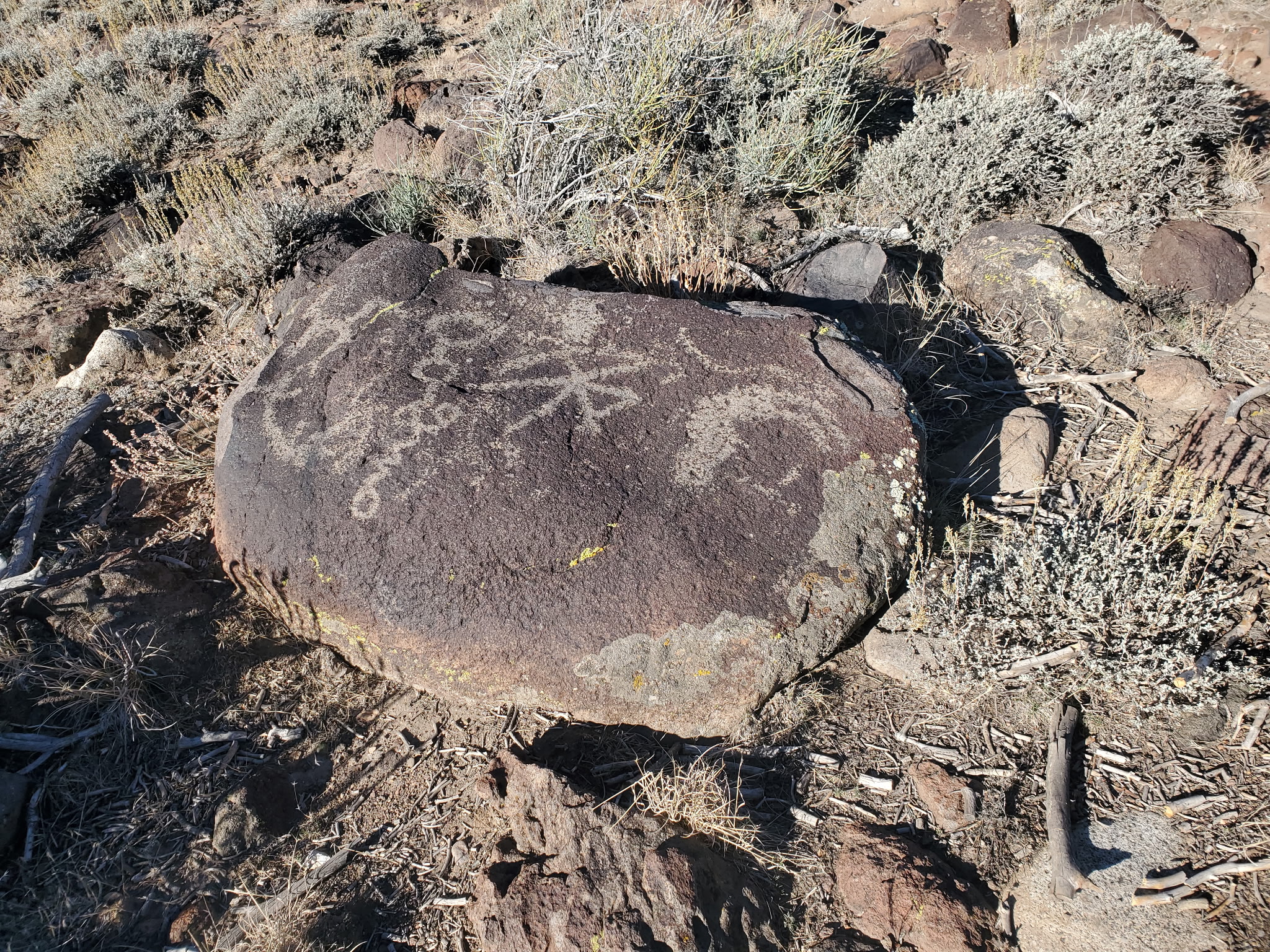
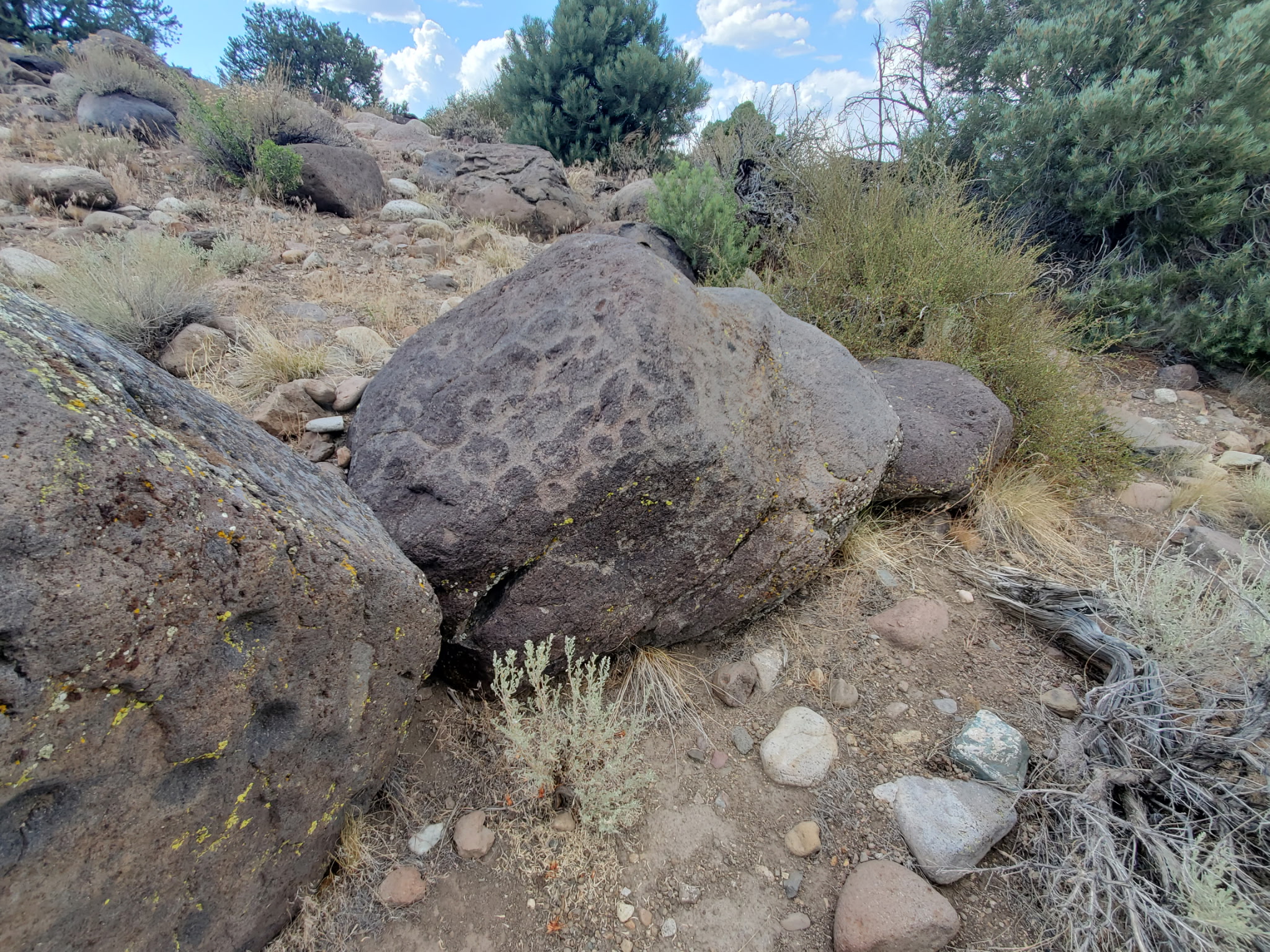
She described the gathering as one in which elders, spiritual leaders, and tribal council members spoke openly about the cultural importance of the land and the trees slated for removal.
“They said they came to listen. Elders spoke, spiritual leaders spoke, tribal council members spoke. They (the forest service) said they believe in their science.”
For many Paiute and Shoshone families throughout western Nevada and eastern California, pinyon pine forests are far more than vegetation or fuel sources. Pinenut harvesting remains a living cultural tradition tied to food sovereignty, ceremony, family gatherings, and intergenerational knowledge.
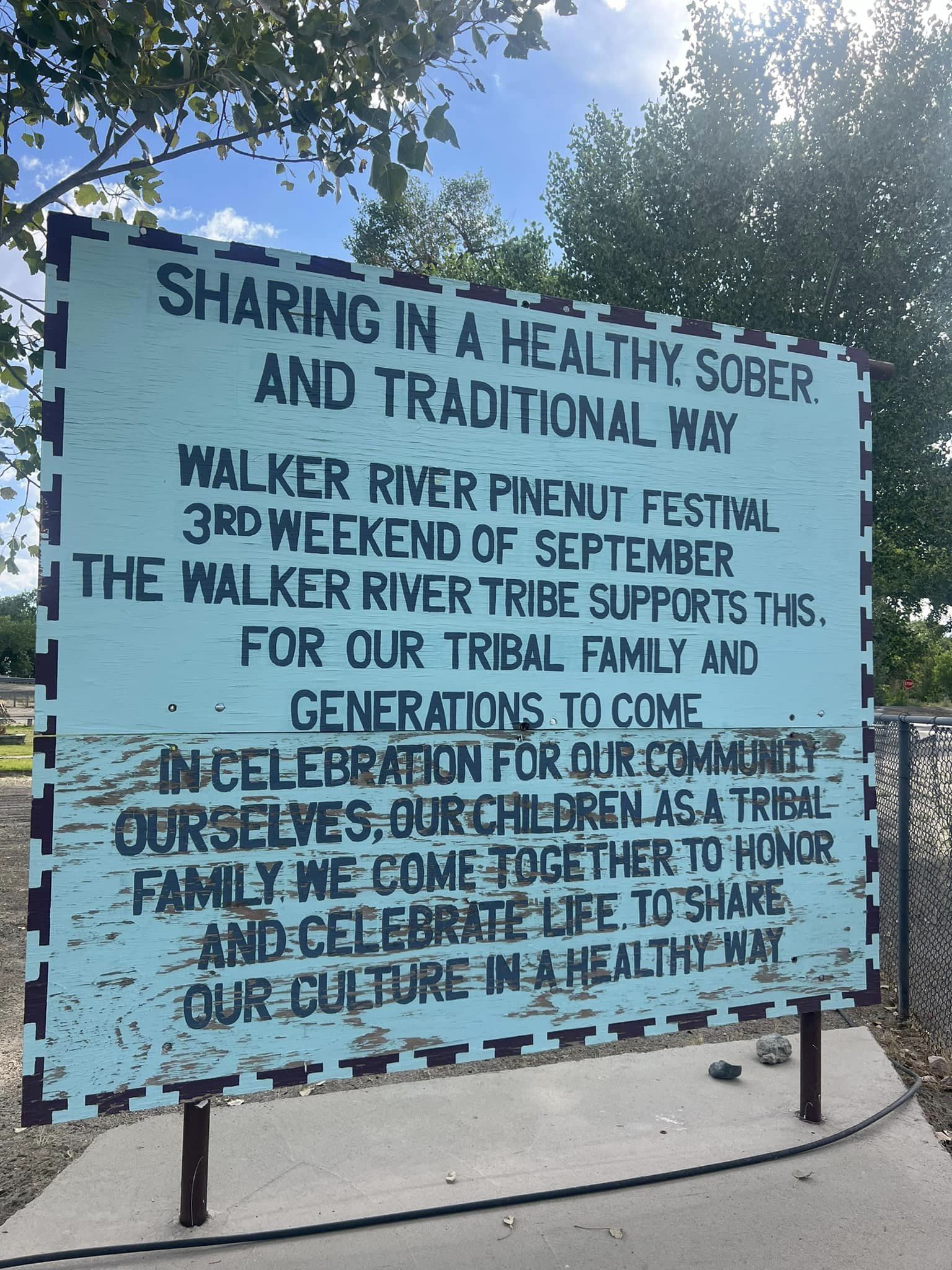
Each spring, the Yerington Paiute Tribe and Walker River Paiute Tribe host Pinenut Blessing ceremonies in the Lower Desert Creek region, drawing dozens of tribal members to the area. In autumn, families return to harvest pinenuts, while the Walker River Paiute Tribe hosts the annual Walker River Pinenut Festival attended by hundreds of people.
Yerington Paiute Tribal members say federal plans to remove pine trees near Lower Desert Creek threaten culturally significant pinenut lands and ancestral sites.
Stevens expressed concern that changes to the landscape could permanently alter both the ecology and cultural identity of the region.
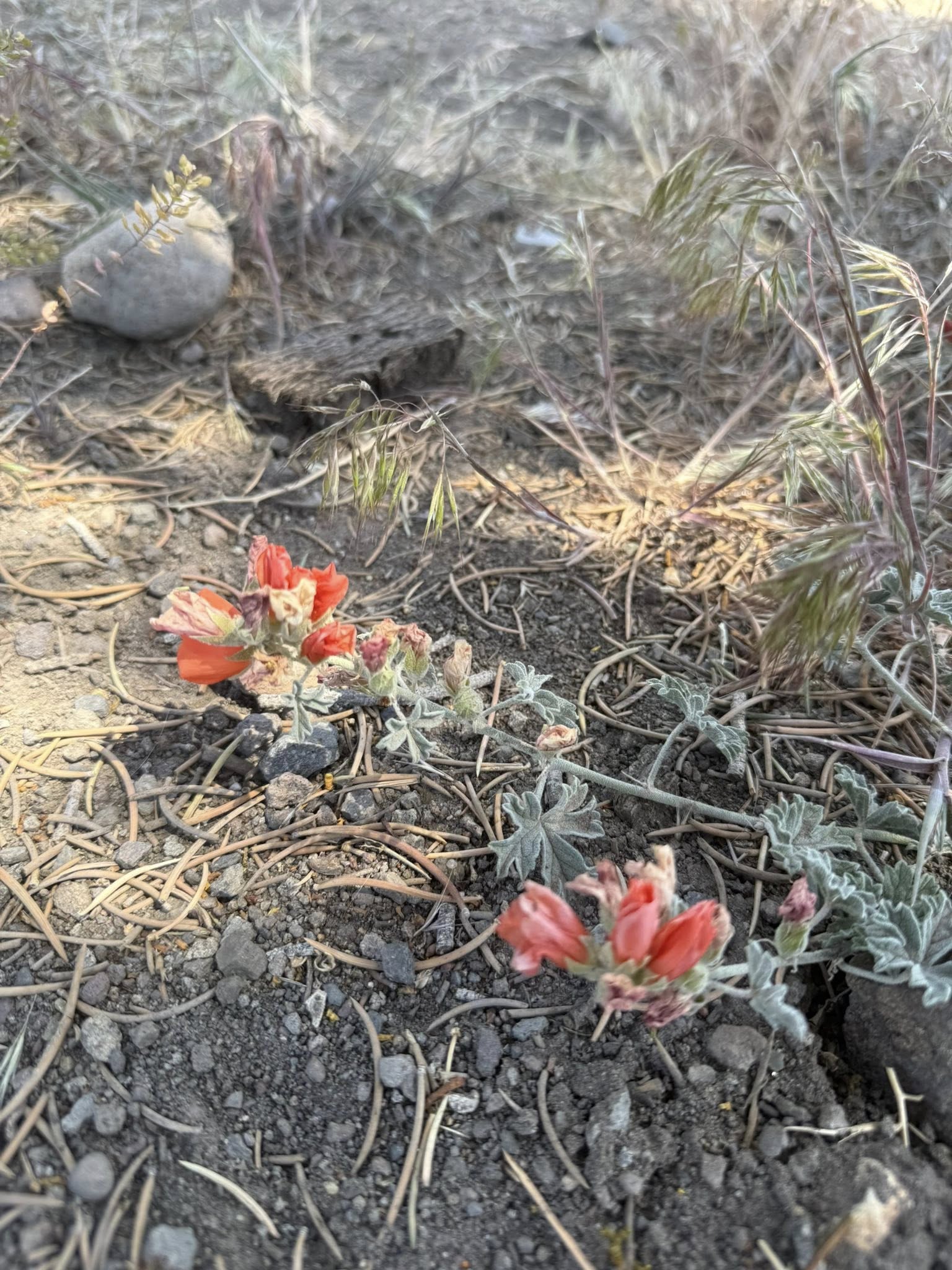
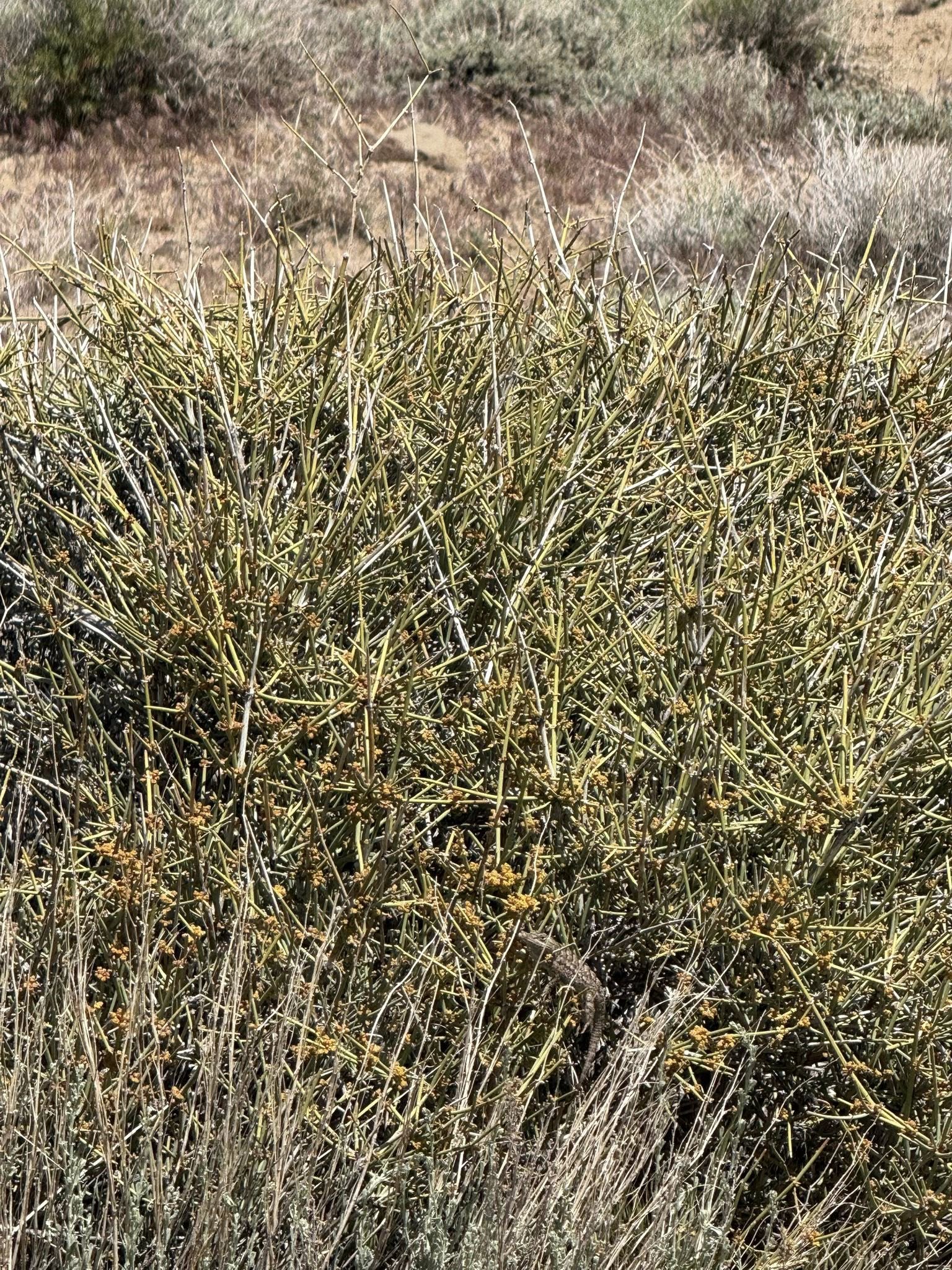
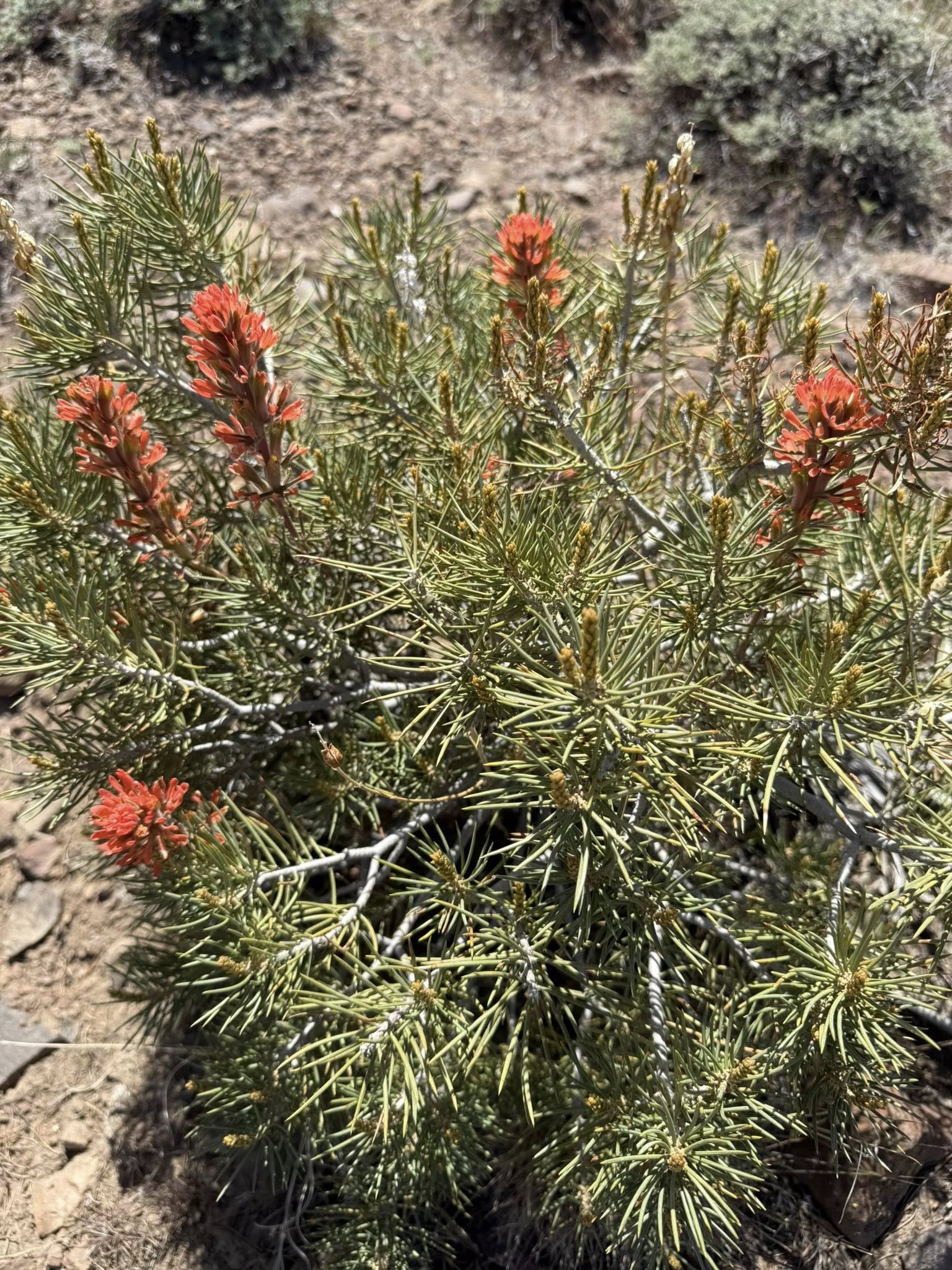
“I see greed. I see an opportunity for housing development or cattle grazing,” she said. “I hear only lies. I see beautiful wild diversity transformed into a future of homogenized land, and it won’t be long before they pave the roads.”
When asked by Pizen Switch Times for his professional opinion, Nevada-born anthropologist Evan Pellegrini — widely respected for his knowledge of Great Basin history and culture — considered the federal agency’s stated rationale for the project.
“They have their agenda, which I wholeheartedly believe is concerned with sheep and cattle, not the grouse,” Pellegrini said. “Many bird species rely heavily on visual recognition, and disturbing their breeding grounds can have harmful impacts. We still know very little about grouse, yet they are willing to clear-cut areas containing threatened species that depend on habitat cover.
“And grouse are not the only species affected. Pinyon jays are experiencing a massive decline, and the cutting of their primary food source is not even part of the discussion. Basically, the federal government is not acting in the interest of ecological health, but in support of extractive resource interests.”
Community members question whether fire mitigation and sage grouse habitat restoration are the real motivations behind planned ‘forest thinning’ near Smith Valley.
At present, no public evidence has emerged indicating plans for private housing or commercial development in the Lower Desert Creek area. However, community concerns continue to circulate regarding backdoor deals for the land and its future use.
The controversy also reflects broader tensions across the American West between federal land management agencies and Indigenous communities whose cultural relationships with the land extend back thousands of years.
To many tribal citizens, the issue is not solely about forest management, but about stewardship, identity, and the survival of traditional practices connected to the pinyon forests of the Great Basin.
The Humboldt-Toiyabe National Forest itself carries layered histories within its name. “Toiyabe” derives from a Shoshone word commonly translated as “mountain” or “great mountain,” while “Humboldt” honors 19th-century naturalist and explorer Alexander von Humboldt, whose work helped shape modern ecology and environmental science.
For tribal people and other local/regional residents, the Sweetwater/Desert Creek area’s meaning reaches far beyond maps or federal designations. Lower Desert Creek remains a place of memory, ceremony, gathering, and ancestral connection — one many fear could be permanently changed.
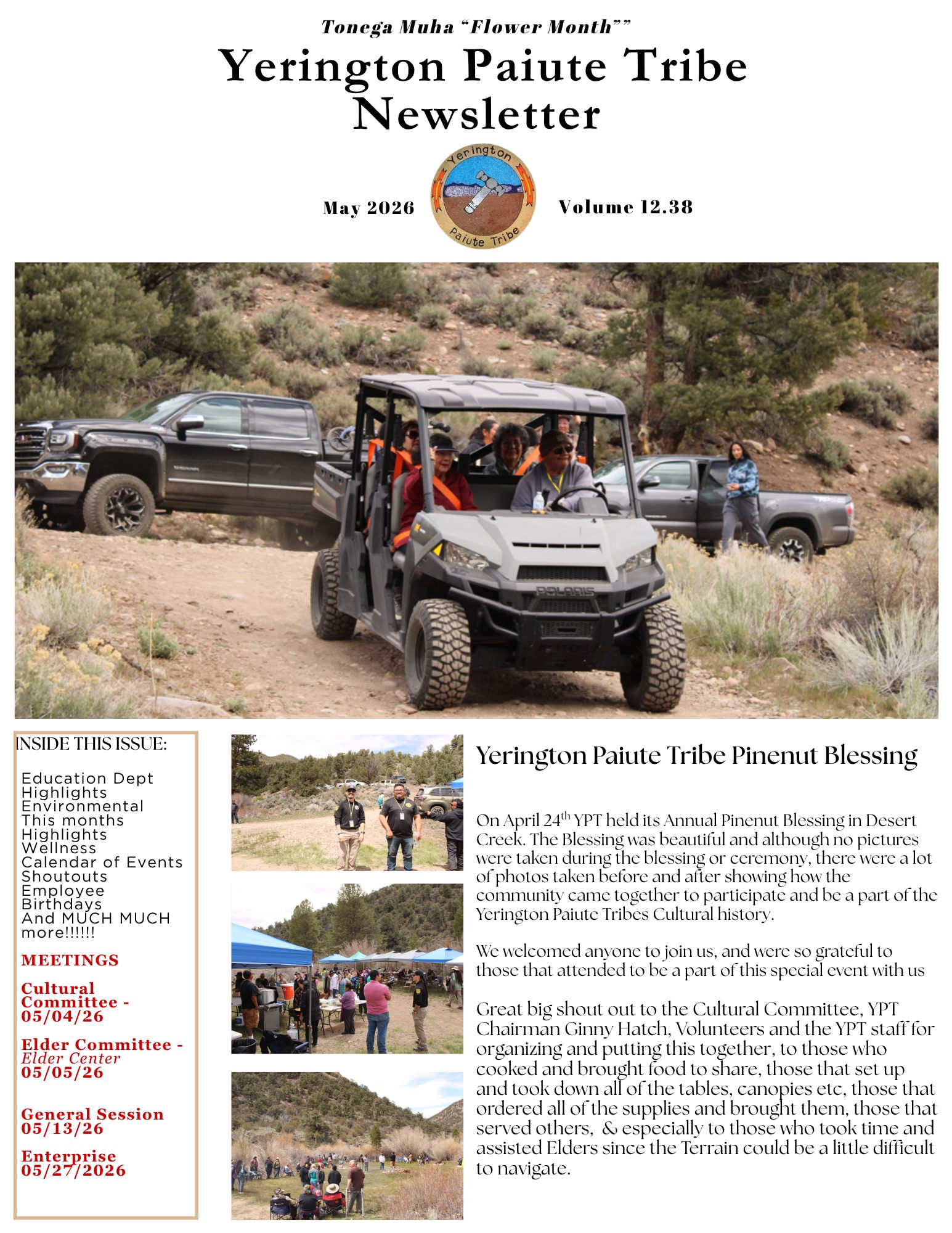
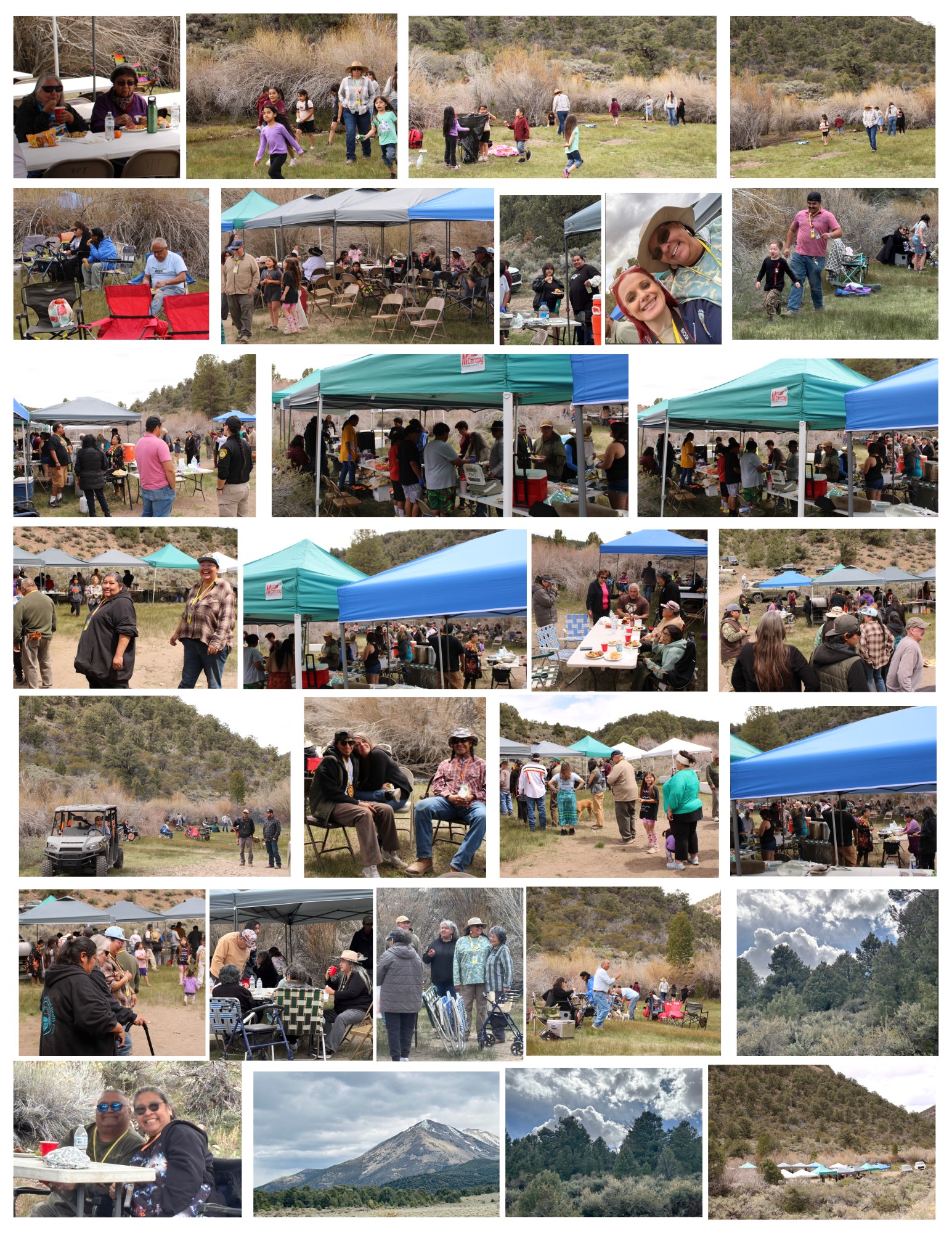
From the April 24, 2026 Pinenut Blessing at Desert Creek :
Nevada Congressional Representative Contact Information:
- District 1: Dina Titus (Democrat)
- DC Office: (202) 225-5965
- Las Vegas Office: (702) 220-9823
- Website: titus.house.gov
- District 2: Mark Amodei (Republican)
- DC Office: (202) 225-6155
- Reno Office: (775) 686-5760
- Elko Office: (775) 777-7705
- Website: amodei.house.gov
- District 3: Susie Lee (Democrat)
- DC Office: (202) 225-3252
- Las Vegas Office: (702) 963-9336
- Website: susielee.house.gov
- District 4: Steven Horsford (Democrat)
- DC Office: (202) 225-9894
- North Las Vegas Office: (702) 963-9360
- Website: horsford.house.gov
Nevada U.S. Senators
- Senator Catherine Cortez Masto: (202) 224-3542 (DC), (702) 388-5020 (Las Vegas).
- Senator Jacky Rosen: (202) 224-6244 (DC), (702) 388-0205 (Las Vegas).
Humboldt-Toiyabe National Forest Supervisor’s Office
1200 Franklin Way
Sparks, NV 89431
775-331-6444
https://www.fs.usda.gov/r04/humboldt-toiyabe/projects/archive



More Stories
Lyon Planning Commission Meeting Minutes/Video from August 11, 2026: Approved at September 8, 2026 Meeting
It’s Almost Fall, But a Farmer’s Work is Never Done – UNR
Letter to the Editor from Pamela Gurr of Yerington