Yerington NV – April 29, 2026
By David Nyberg
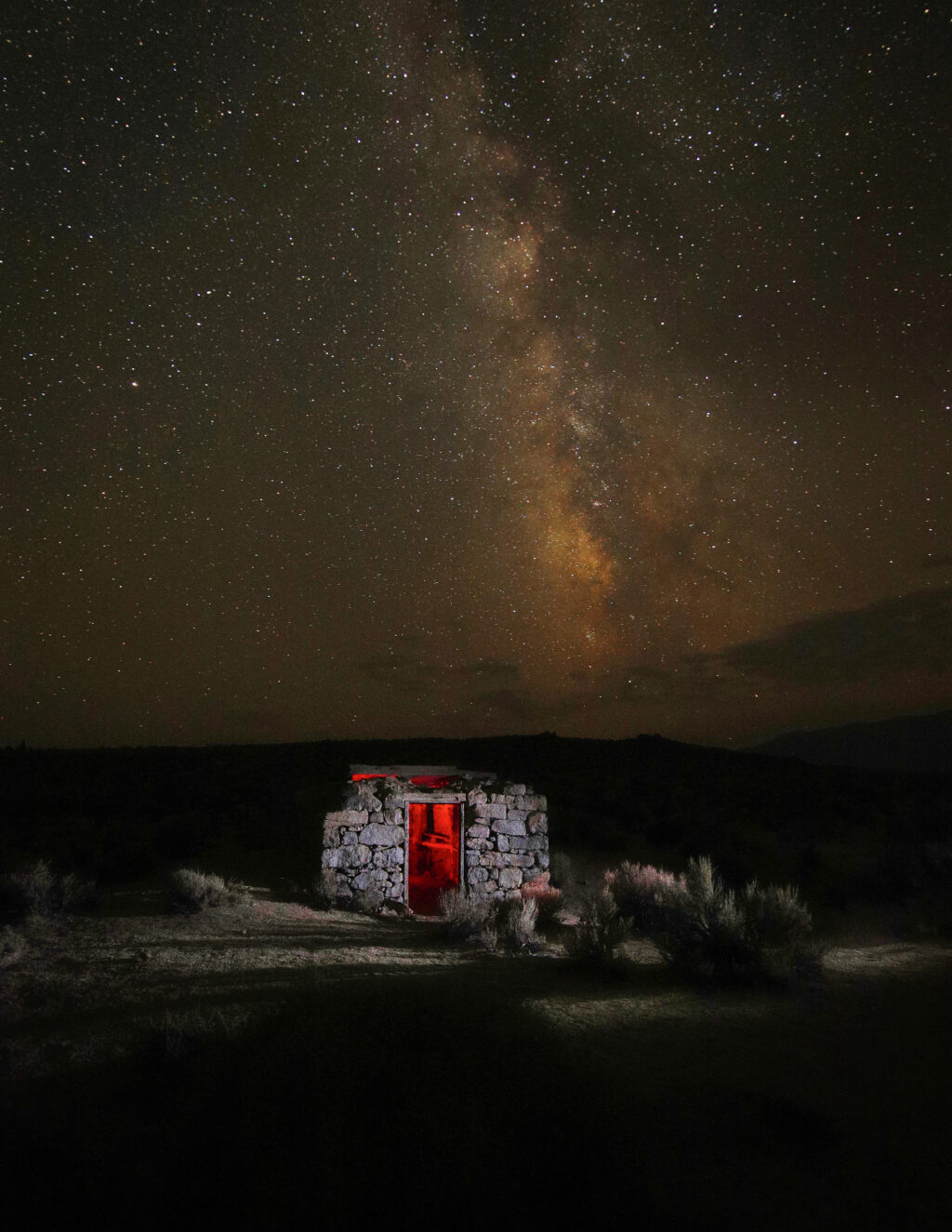
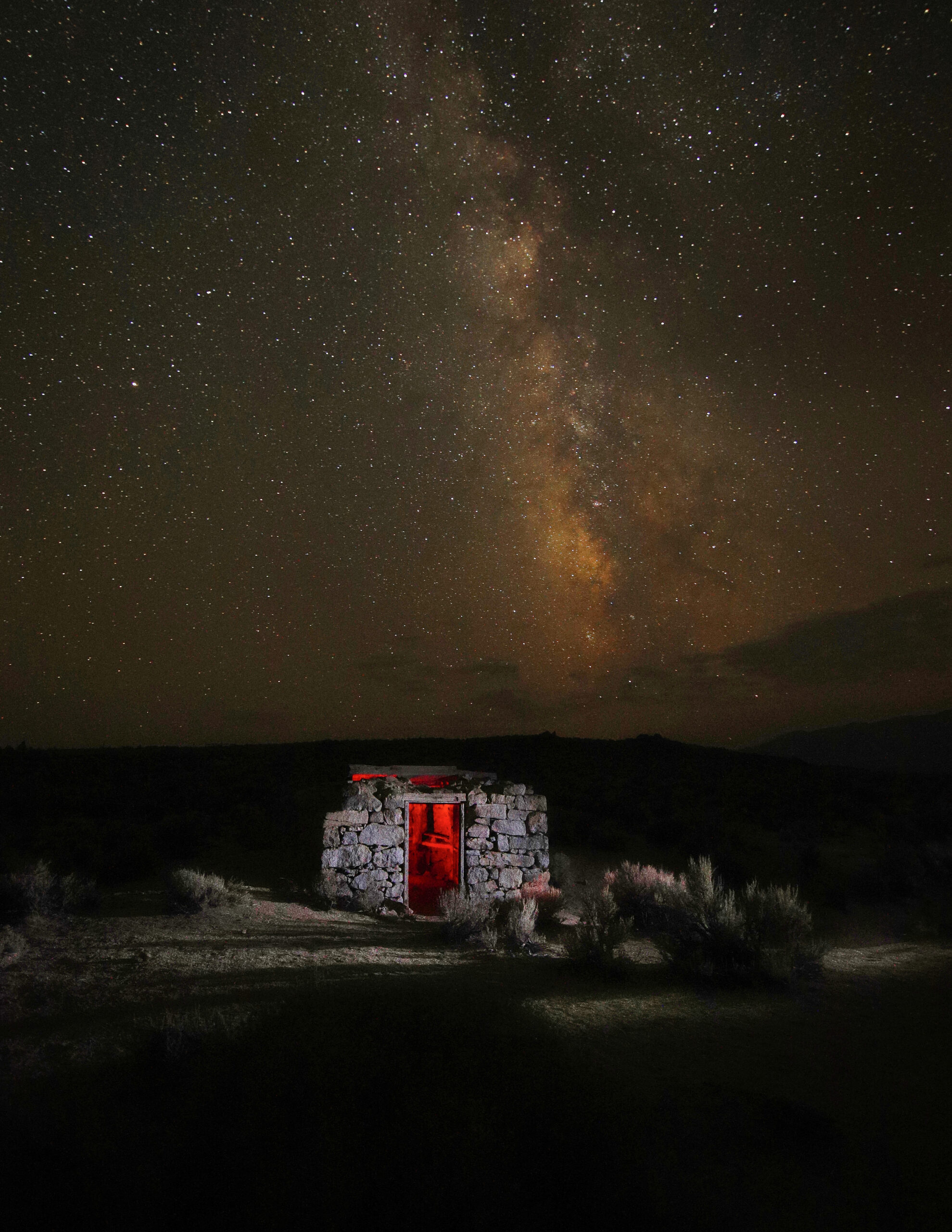
As May comes to Mason Valley, the evenings grow softer, and the night sky begins to offer one of its quiet rewards. For those willing to step outside after dark and let their eyes adjust, May is one of the times of year when the Milky Way begins to become visible to the naked eye from dark areas around Yerington. Under clear, moonless skies away from town lights, it can appear not as a sharp stripe, but as a faint, wide, misty river of light stretching across part of the heavens. What you are seeing is our own galaxy from within, the combined glow of immense numbers of distant stars.1
May opens with a Full Moon on May 1 at 10:23 a.m. Yerington time, and the month closes with another Full Moon on May 31. In between comes the New Moon on May 16 at 1:01 p.m., which matters greatly for skywatchers because the darker nights around that date provide the best opportunity of the month to glimpse the Milky Way and fainter stars.2
The month’s main meteor event is the Eta Aquariid meteor shower, which reaches its peak on the night of May 5–6, 2026. This shower comes from debris associated with Halley’s Comet. For northern observers, it is usually best in the hours before dawn, though this year the bright Moon will reduce visibility during the peak.3
May also rewards those who simply watch the planets from week to week. In seasonal sky guides for mid-May 2026, Mars and Saturn are low in the east before sunrise, while Jupiter remains visible after sunset for a time. Because the planets shift gradually against the background stars, even casual observers can notice that the sky is not fixed, but alive with orderly motion.4
For local skywatchers, the best advice this month is simple. Pick a night near the middle or latter part of May, avoid bright moonlight, drive a little way from the strongest town lighting, and give your eyes at least 15 to 20 minutes to adjust. Do not expect the Milky Way to look like a photograph. To the naked eye it is subtler than that—more like a pale wash or luminous cloud-band than a brilliant white streak—but once seen, it is hard to forget.1
May’s sky over Yerington is not flashy every night. It is better than flashy. It is steady, spacious, and full of gentle wonders: moonrise over the hills, a meteor before dawn, bright planets keeping their appointments, and the old silver breadth of the Milky Way returning overhead. For those who take the time to look up, it is one of the finest shows of spring.2
Footnotes
- 1.EarthSky explains that the Milky Way can be seen with the unaided eye under dark skies, and also notes that the Milky Way season returns to morning and night skies at this time of year. https://earthsky.org/astronomy-essentials/what-is-the-milky-way-galaxy/
- 2.Time and Date gives the Yerington, Nevada moon phases for May 2026, including the Full Moon on May 1, 2026 at 10:23 a.m., the New Moon on May 16, 2026 at 1:01 p.m., and the next Full Moon on May 31, 2026. https://www.timeanddate.com/moon/phases/%405515507
- 3.The American Meteor Society lists the Eta Aquariids as peaking on the night of May 5–6, 2026, identifies the parent object as 1P/Halley, and notes that the shower is best before dawn, with moonlight affecting 2026 viewing. https://www.amsmeteors.org/meteor-showers/meteor-shower-calendar/
- 4. EarthSky’s seasonal planet guide notes that in mid-May, Mars and Saturn are low in the east shortly before sunrise, while Jupiter remains an evening object for a time. https://earthsky.org/astronomy-essentials/visible-planets-tonight-mars-jupiter-venus-saturn-mercury/
About the author:

About the photographer:

Full view of cover:




More Stories
108 Years, Five Generations and Some Pretty Strong Hall Genes
HCC of Lyon & Storey Counties: Dandelion Magazine September/October 2026 Issue
Lyon Board of County Commissioners Agenda, Zoom Link & Documentation for September 17, 2026