Mason Valley NV – December 10, 2025
On December 9, 2025, the Lyon County Planning Commission convened in the Lyon County Commissioners Meeting Room in Yerington NV for an agenda including a plan for the Winston Solar + Battery Energy Storage System Project . Watch from 22:20 to 2:35:18. https://www.youtube.com/watch?v=peslreAA2RA
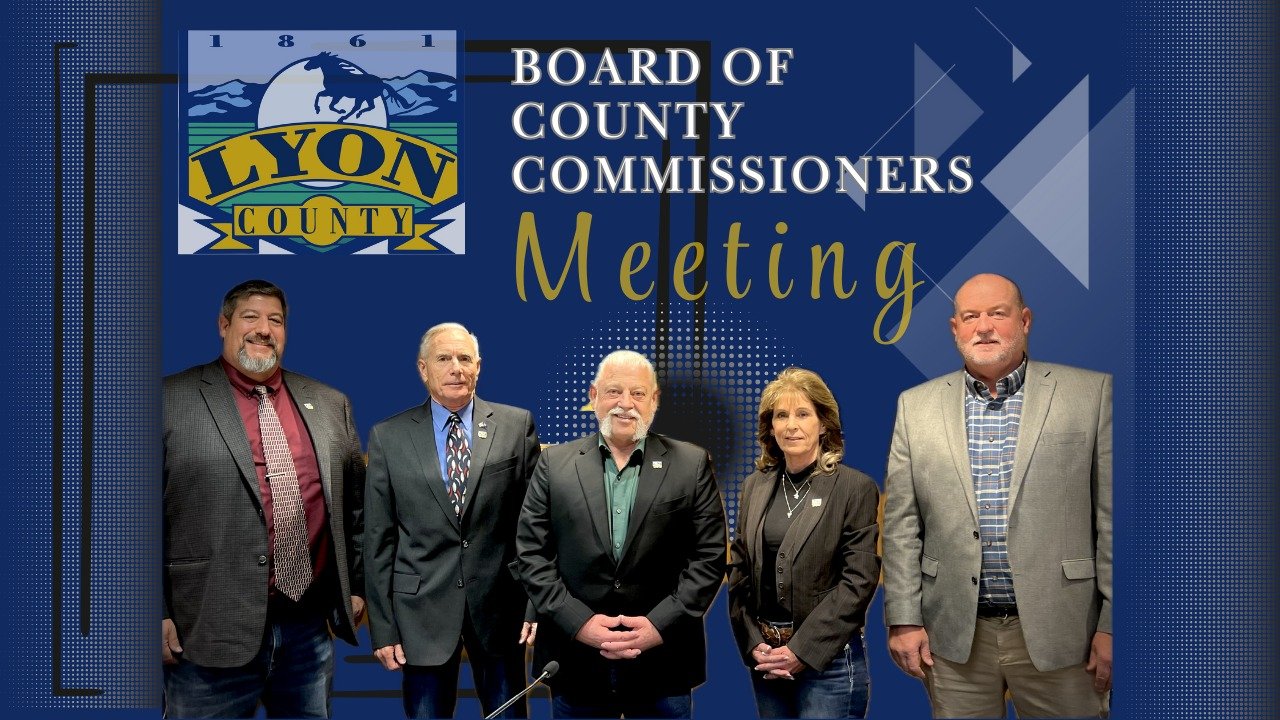
Lyon County Planning Commission, including new appointee Katie Baker:

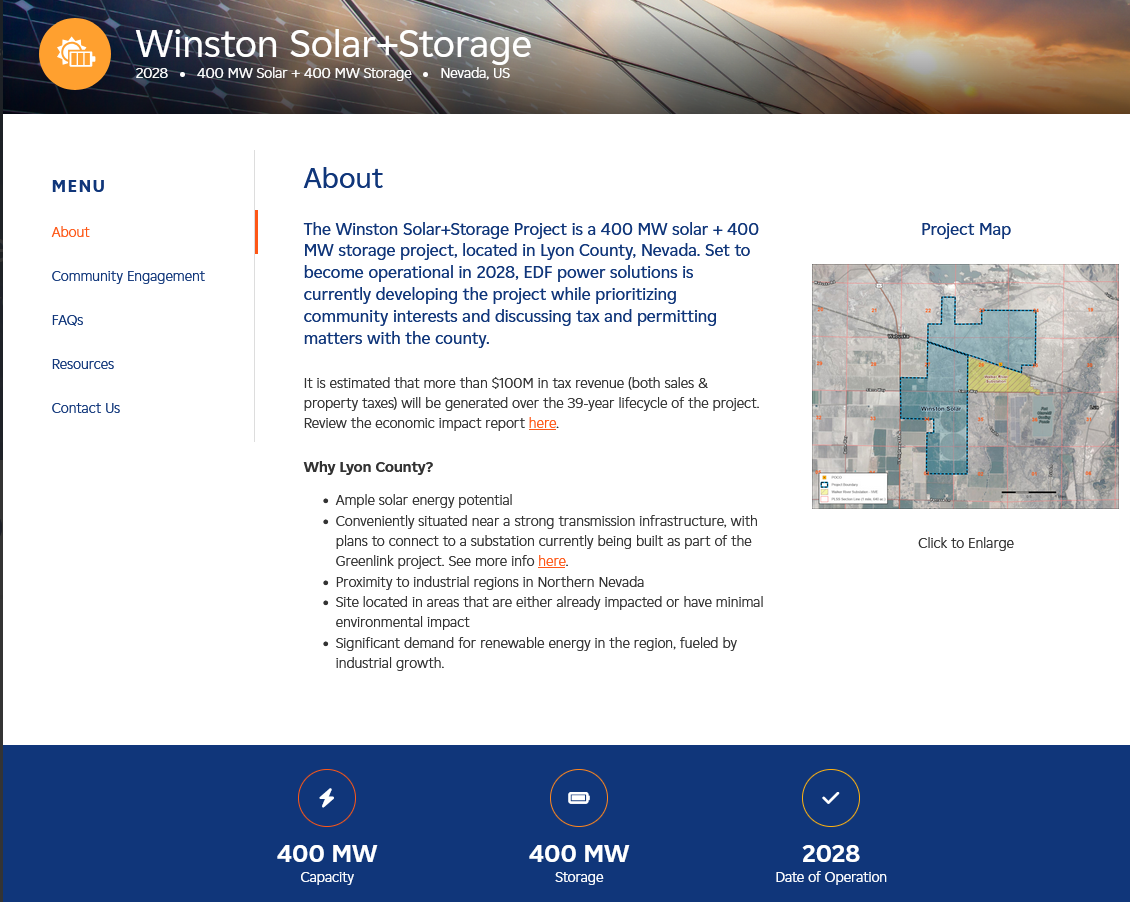
EDF Power Solutions Economic Impact Report 2026-2045 https://www.edf-re.com/flipbook/10965
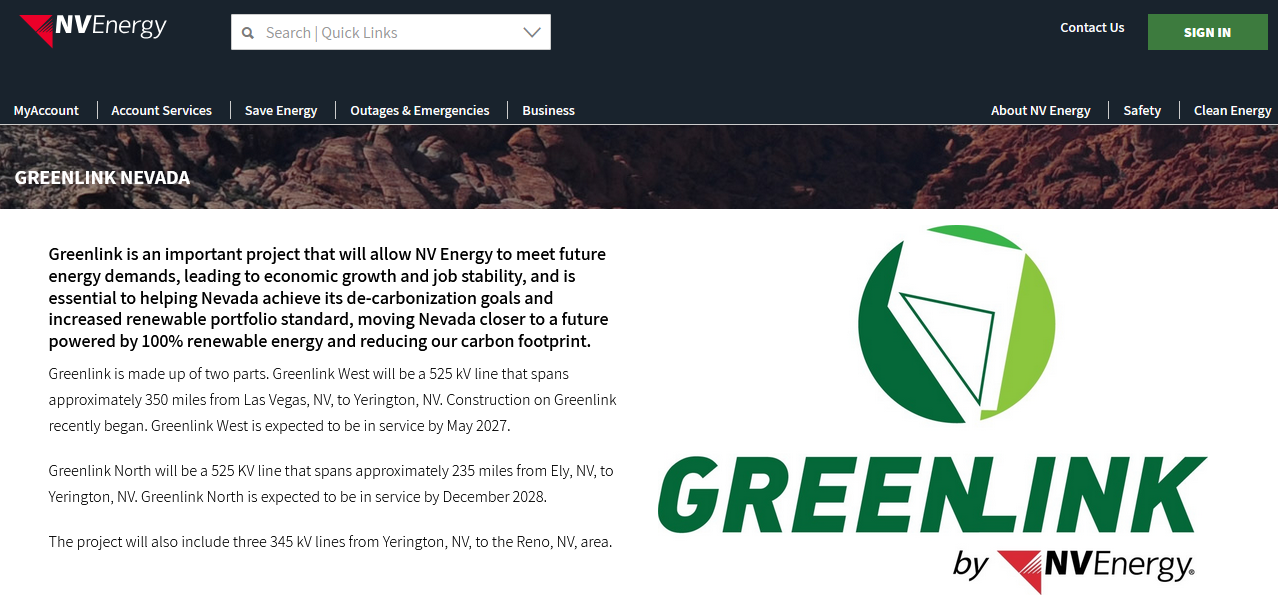
https://www.nvenergy.com/cleanenergy/greenlink-nevada
Notes from the 2 hour 12 minute Lyon County Planning Commission Hearing on the proposed Winston Solar & Battery Storage Facility in Mason Valley, Nevada:
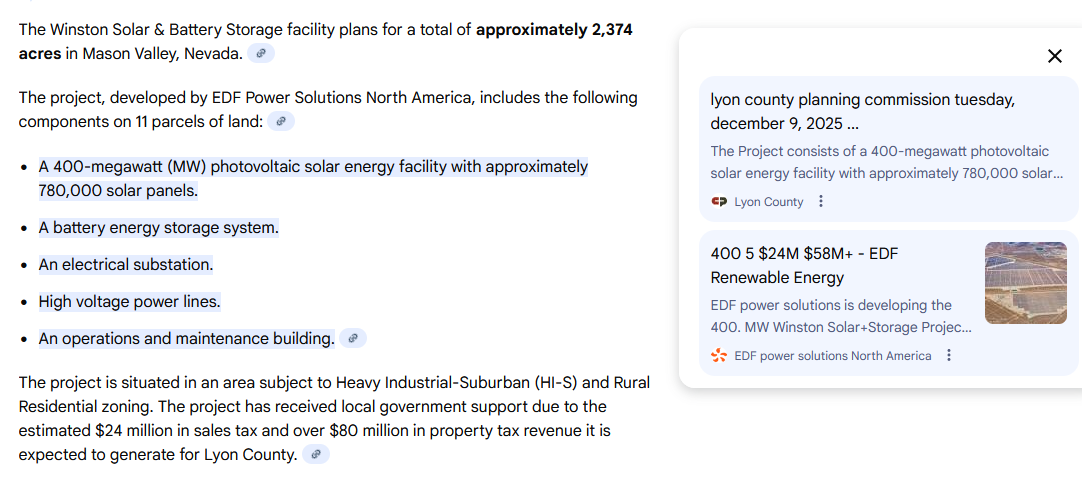
The Lyon County Planning Commission commenced a public hearing (7A) concerning a request from Winston FC Solar LLC for a Planned Unit Development (PUD) for the Winston Solar Project. The project proposes a significant development: a 400 megawatt photovoltaic solar energy facility encompassing approximately 780,000 solar panels, a Battery Energy Storage System (BESS), an electrical substation, high-voltage power lines, and an operations/maintenance building. This complex would cover 11 parcels, totaling 2,374 acres in Mason Valley, which are currently subject to a mix of zoning: heavy industrial suburban (HI-S) and rural residential, 20-acre minimum (RR-20).

Project Location and Existing Conditions
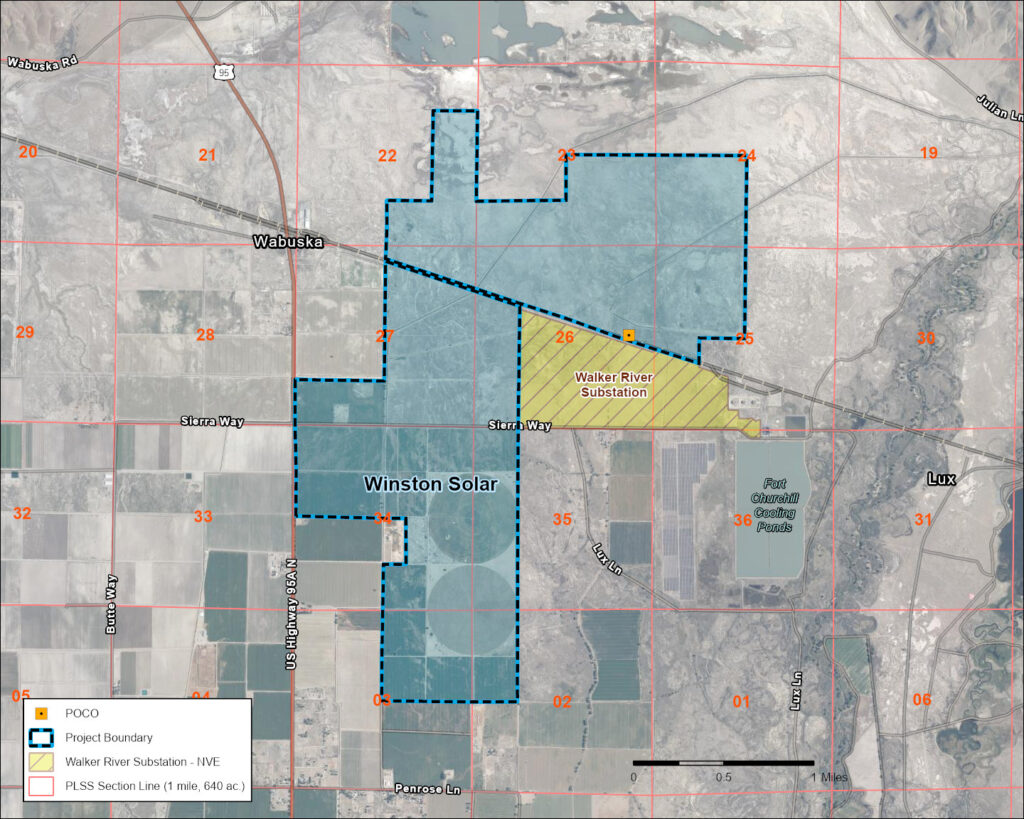
Louis Cariola, Senior Planner employed by Lyon County, presented the staff report. The subject parcels are in Mason Valley, located approximately 8 miles north of Yerington and 20 miles south of Silver Springs, all situated east of US Highway 95A. The area is traversed by a Union Pacific rail line. The project’s massive size is noted, with the overall area being 2,374 acres. Notably, a hatched area on the northern side was part of a previously approved Conditional Use Permit (CUP) from 2022, but this portion is no longer available to the applicant due to the Nevada Energy Green Link project, specifically the region needed for high transmission lines. This previously approved CUP is valid until 2026.
The existing site is largely vacant, with some land used for field crops and raising livestock. It is also crossed by irrigation ditches under the jurisdiction of the Walker River Irrigation District. Master Plan designations for the area include a rural character district with specific designations of Agriculture and Industrial (along the rail line). The project area’s zoning districts are RR-20 and Heavy Industrial. The applicant is using the PUD Planned Unit Development process to incorporate all the project’s varied uses under one comprehensive plan, as the existing zoning would otherwise split the uses.

No “Visual Impact” photo was offered from the top of Wabuska Hill view looking into Mason Valley.
Project Details and Timeline
The project is summarized as a 400 MW solar array (Solar Energy Conversion System or SECS, in the county code), with 780,000 panels, supported by a BESS Battery Energy Storage System, an electrical substation, high-voltage power lines, and an Operations and Maintenance (O&M) building.
The applicant’s proposed timelines for the project are substantial:
- Construction: 18 to 24 months, with 350 to 450 personnel during the 6-month peak season.
- Operation: A much smaller employee count of approximately 12 (or possibly 10).
The BESS and electrical substation are roughly centered in the project area, south of the Pacific line and north of Sierra Way. Sierra Way is proposed as the primary access for the project, extending down to the Fort Churchill substation.
Staff Review, Findings, and Concerns
Staff reviewed the application based on the PUD Planned Unit Development findings in the development code. The key finding for staff’s review was the extent to which the plan departs from otherwise applicable zoning regulations and whether this departure is deemed to be in the public interest.
Staff was able to make several positive findings regarding the project’s alignment with the 2020 Master Plan, including:
- Providing a diverse economic base.
- Encouraging resource-sensitive growth.
- Maintaining water supply and quality (as solar arrays use less water than other projects).
- Encouraging clean energy (solar) and preserving dark skies.
The location is deemed suitable because of its proximity to the Walker River substation and existing BLM utility corridors for high-voltage power lines, supporting compact development and limiting the construction of new lines. A Visual Impact Study was provided by the applicant, projecting the look of the solar array from near the intersection of Sierra Way and US Highway 95A.
Setback Deviations (The Primary Sticking Point)
A major concern for staff is the proposed setbacks, especially in light of new standards adopted by the Board of County Commissioners on June 18, 2025. The new standard requires a minimum setback of 1/2 mile (2,640 ft) from a highway or adjacent properties with existing residential uses.
- Highway Setback: Along Sierra Way, the proposal sets the solar array back 300 feet from the highway. This represents an 88% reduction from the required 2,640 feet.
- Residential Setback: At the southern end (RR-20 zoned land with existing residences), the proposed setback is only 50 feet.
The code does allow for reduced setbacks as part of a PUD, but staff requested justification for this deviation. The applicant’s rationale included:
- The original CUP area was lost to the NV Energy Green Link project.
- The reduction is necessary “to achieve operational and production efficiencies and financial feasibility.”
Staff expressed difficulty in accepting “financial feasibility” as an acceptable rationale for a major setback reduction, noting that minor variance findings specifically prohibit this reasoning.
Regarding the BESS Battery Energy Storage System, the new code requires a 1-mile setback from rivers and residential uses. The proposal is for a 1/2-mile setback. The applicant stated that the BESS will be positioned so the substation acts as a “natural barrier,” but staff is not of the opinion that an electrical substation is a sufficient visual barrier.
NDOT Traffic Impact Study (TIS)
Another major issue was the lack of an approved Traffic Impact Study (TIS) from the Nevada Department of Transportation (NDOT). County code requires a TIS Traffic Impact Study for both the construction and operational phases of such projects.
- The applicant was told on October 23rd that their application was incomplete due to the lack of NDOT approval.
- The applicant then bypassed the typical county process by attempting to work with NDOT directly to request a waiver of the TIS requirement.
- NDOT denied the waiver request and clearly stated on December 2, 2025, that the TIS is required.

Lyon County Manager Andrew Haskin clarified that while the applicant was allowed to move forward to the hearing with a “predominantly complete” application, they were informed that a staff recommendation for denial would follow if the TIS Traffic Impact Study approval was not secured by the time of the hearing. Staff confirmed they are unaware of any authority NDOT has to waive a county requirement.
Staff Recommendation and Commission Discussion
Based on the issues with setbacks and the lack of an approved TIS Traffic Impact Study, staff recommended denial of the application, as they were unable to make the necessary PUD Planned Unit Development findings (specifically Finding B). Staff did provide an alternative list of conditions for approval, should the Commissioners decide to move forward, which include: NDOT Nevada Department of Transportation approval of the TIS Traffic Impact Study, proper justification and agreement on the reduced setbacks, and more detail on maintaining the jurisdiction of the Walker River Irrigation District.
Commissioner Audrey Allan raised a procedural question, noting that the application appears incomplete and questioning why the Commission should spend hours listening to a presentation that is not likely to be positive. The County Manager stated that the item could be tabled, but the applicant would have to agree.
Scott Whittemore, representing the applicant, Winston Energy Project, thanked the staff for their work. He affirmed that they appreciate the opportunity to present and intend to address the concerns raised through conditions (written commitments). He expressed a desire to work in a collaborative fashion and hoped to get the Commission’s input. The debate continued regarding the completeness of the application, with the Commission maintaining that the lack of the NDOT-approved TIS means the application is incomplete per county process, regardless of whether it is a “tentative PUD Planned Unit Development.”
Traffic Impact Study (TIS) Requirement
The applicant, EDF Power Solutions, was asked when the TIS Traffic Impact Study is required for the application process. It was clarified that the TIS should be submitted with the application. The consensus among the board is that proceeding without a complete TIS does not demonstrate “good faith” because it leaves the application incomplete at the start.
The applicant, Devin Mudo of EDF Power Solutions, acknowledged that the expectation is to have an NDOT-approved TIS when coming before the planning commission, and they were asking for an exception (leniency) to this requirement for today’s meeting.
EDF’s Project and Timeline
Devon Mudo provided background on the EDF project:
- EDF is a large developer of large-scale renewables, having developed over 20 gigawatts in North America.
- The Winston Energy Project is a 400-megawatt project (corrected from an earlier mention of 40MW), covering 2,374 acres of private land.
- The original Conditional Use Permit (CUP) was approved in 2022.
- EDF had to acquire more land because Nevada Energy (NVE) took 362 acres of the original approved site for their use, forcing EDF to expand the project footprint.
- The additional CUP Conditional Use Permit for the expanded land was delayed until mid-2023 because they expected the process to be quick, leading to a time crunch after the new solar energy ordinance was adopted around June 2023.
- The project has been in the works since 2017, with commitments and diligence done prior to the new energy ordinance taking effect this year.
- EDF needs certainty on the project by January to make sizable commitments, although construction isn’t expected until 2027.
The TIS Traffic Impact Study Controversy
A planning commissioner challenged EDF, stating that for a corporation as large and successful as EDF, they should have been on top of the new requirements.
Devon Mudo responded that during the original CUP Conditional Use Permit approval, a TIS Traffic Impact Study was not required. They typically provide the NDOT-approved TIS later, at the time of construction permits. They became aware of the need for an NDOT-approved TIS at the planning commission stage when consulting staff on the new timeline, following the ordinance adopted earlier this year.
Scott Whittemore (EDF Project Team) explained that EDF is offering a solution:
- The staff’s two main concerns were the TIS Traffic Impact Study and the setbacks.
- EDF has already proposed up to $2 million in improvements at the Sierra Way and Highway 95 intersection to address expected traffic impacts, including a right-hand turn going northbound and a left-hand turn going southbound.
- EDF also had to revise its studies to include the cumulative impacts of other projects (Lux and Monarch), which is rare. EDF’s project is only responsible for about 20% of the overall cumulative impacts.
- The request for leniency was based on the commitment to solve the problem (traffic mitigation) upfront, arguing that an NDOT TIS Traffic Impact Study process could take six to seven months to reach the same or potentially a lesser result for the county.
The Board’s Stance
The Lyon County Planning Board made it clear that they cannot circumvent the new process or make a decision without NDOT Nevada Department of Transportation‘s input. The new ordinance was carefully developed, and waiving the TIS Traffic Impact Study requirement for the first project would undermine the entire set of requirements.
The board suggested a continuance of the application so that the correct information (the NDOT-approved TIS) could be presented.
Devon Mudo requested that even if the Planning Commission’s recommendation is for denial due to the incomplete TIS Traffic Impact Study, they wish to continue on to the Board of County Commissioners to get input on the project’s design and required setbacks, which are also uncertain. The board ultimately agreed to let the applicant finish their presentation before making a decision.
Argument for Conditional Approval
Scott Whittemore reiterated that they are asking the board to put conditions on them for approval. He pointed out that staff’s recommendation for approval included a condition to “go get an approved TIS Traffic Impact Study.” He mentioned that NDOT Nevada Department of Transportation is saying they will “expedite” the process, hopefully taking less than a month, but this doesn’t solve their immediate timeline crunch.
EDF is willing to commit to paying for the necessary improvements and participating in a “prorata share” of costs for other cumulative traffic impacts, claiming this level of commitment is unusual for developers at this stage.
A commissioner questioned how EDF handled NDOT requirements in other jurisdictions. Scott Whitmore clarified that while they absolutely participate in NDOT/MDOT processes for permitting, it is not usually required at the entitlement stage (CUP Conditional Use Permit/PUD Planned Unit Development) to have a fully approved TIS. A TIS Traffic Impact Study waiver is common, where trip counts are presented to NDOT for agreement. He believes NDOT Nevada Department of Transportation deferred to the county because of the sheer number of projects, wanting the county to have the full picture, including cumulative impacts.
Scott Whittemore stressed that a PUD is designed for flexibility and that both a PUD and a CUP commonly include conditions that must be met before a building or grading permit is issued. Their intent is to be conditioned to complete the TIS, not to bypass it.
Setbacks Justification
Devon Mudo then addressed the second main issue raised by staff: the setbacks. He agreed with staff that “economic hardship alone is not sufficient” to justify reductions, but argued that the project has “highly unique circumstances”:
- Prior approvals on the land.
- 362 acres of land removed by Nevada Energy via eminent domain threat.
- Other site constraints, such as the Walker River Irrigation District canals, where EDF is granting them easements (a public benefit) on land they cannot build on.
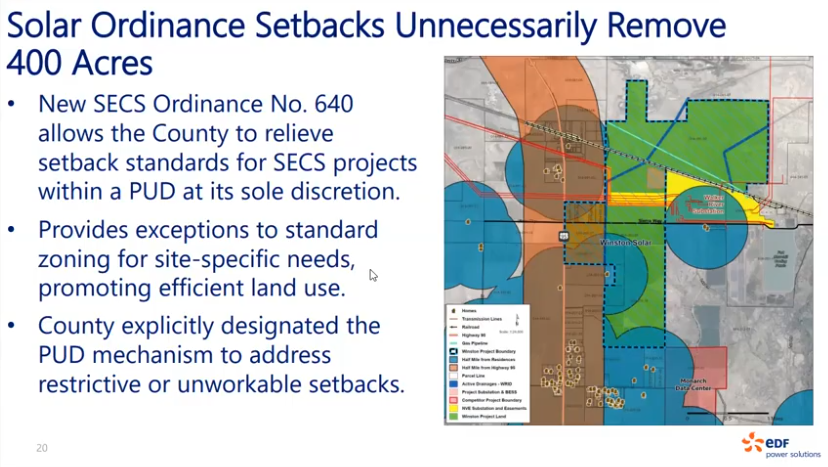
He explained that all the proposed large setbacks—if fully implemented—would consume about 400 acres of the site that they could not build on. EDF is looking for alternative ways to meet the purpose of the setbacks (e.g., screening and visual mitigation) without leaving such a large area vacant, and they are open to community feedback on planting and landscape patterns/species.
Construction Traffic Details
Devon Mudo provided specifics on the construction traffic impact:
- The project will generate approximately 400 construction jobs at peak, with 350 workers on-site. [Operation: A much smaller employee count of approximately 12 (or possibly 10).]
- Peak construction, when panels are being installed, is limited to about a six-month period.
- Traffic is naturally reduced due to ride-sharing (common for laborers commuting from Reno, Carson City, etc.) and staggered schedules of different subcontractors.
- EDF is willing to coordinate with other construction projects (Monarch, Lux) on scheduling and routing to reduce congestion.
Traffic Engineer’s Report (CA Group)
Sri Ram Bala from the CA Group, EDF’s traffic consultant, provided a detailed history of the traffic study efforts:
- EDF submitted a traffic analysis to the county on October 10th.
- They received a letter on October 23rd requiring an NDOT-approved TIS.
- The typical TIS process (data collection, analysis, report, NDOT review, revisions) can take four to six months.
- NDOT responded to their study scope request on November 10th by introducing two new intersections (including Ramsey Weeks, 20 miles away) based on the county’s request, which is atypical and added to the delay.
- EDF submitted a TIS waiver request to NDOT which detailed their analysis of the 350-vehicle worst-case peak construction scenario and committed, in writing, to $2 million in improvements at Sierra Way. This was a commitment to mitigate the traffic, not bypass the procedure.
- They are analyzing two scenarios: Winston Energy only (projected to 2027 peak construction) and Cumulative Impact (Winston, Lux, and Monarch combined).
Key Findings of the Traffic Analysis:
- Winston Only Impact: Their individual project analysis shows that three out of four nearby intersections would require no improvements; only Sierra Way needs mitigation (left-turn lane, right-turn lane).
- Cumulative Impact: When combined with Lux and Monarch, improvements are needed at all four analyzed intersections.
- Prorata Share: Winston Energy is responsible for approximately 21% of the overall cumulative traffic. They asked that any cost-sharing discussions reflect this percentage.
The traffic consultant confirmed that the full TIS will be submitted soon, with the analysis expected to be wrapped up in two weeks, and they hope to work with NDOT to expedite the approval.
The project team for Winston Energy (EDF) continued their presentation, focusing on the Traffic Impact Study (TIS) issue and the proposed setbacks, arguing that the Conditional Use Permit (CUP) and Planned Unit Development (PUD) processes allow for conditions to be placed on the approval.
Public Concerns and Setbacks
Scott Whittemore of EDF continued his presentation by focusing on the public’s response to the project and the justification for the setback deviations. He emphasized that during their town hall meeting (with about 24 attendees [many residents may not have known about the meeting]), they heard zero concerns about setbacks. The questions focused on lighting, noise, and Monarch’s use of certain roads. He welcomed any resident or constituent feedback on setbacks, but maintained that as of that date, they had received none.
Scott pointed out the project’s context:
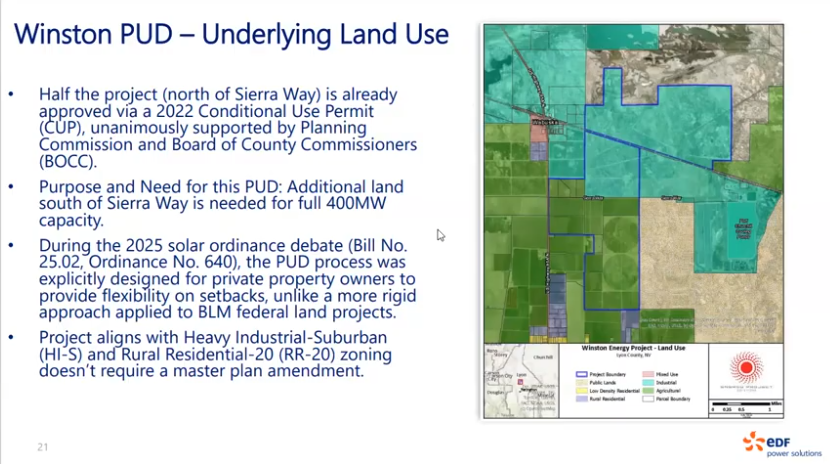
- Half of the land for the project is already approved.
- The surrounding area is primarily designated as industrial, by design, and is intended for economic development.
- The nearby Walker River substation is a key asset that enables massive economic growth, with the solar generation being a necessary component.
- The new solar ordinance was designed to address issues on private land through a process like the PUD, which is flexible.
- The closest residence not involved in the project is over 1,400 feet from the property line.
He argued that the surrounding character, which includes the Fort Churchill solar project, the proposed Lux project, and the Monarch data center, serves as a “significant argument” for the board to reduce the setback requirement.
Justification for Setback Deviations
Scott Whittemore stressed that the deviations are justified by site-specific constraints, not solely financial reasons. These constraints include:
- Topography and the need to account for irrigation ditches, which they are providing an almost 50-foot buffer on either side for.
- The significant amount of land (400 acres) that cannot be built on due to various constraints, including the land lost to Nevada Energy and the extensive setbacks required by the standard ordinance.
- The project is designed for 400 megawatts to meet NV Energy’s requested off-take, and further size reductions would jeopardize the economic viability of the project by changing this core capacity.
Scott Whittemore acknowledged the Planning Chair’s concern about the aesthetics along US 95, particularly the lack of an effective visual barrier with a 300-foot setback and cottonwood trees. Whittemore stated they are open to whatever vegetation (shrubs, bushes, trees) the Planning Commission or County Board would like to see to create proper screening.
In response to the Planning Commissions Chair’s question on why the ordinance set a 2,640-foot setback, Scott Whittemore argued that the high setback was largely designed for projects on Bureau of Land Management (BLM) land, which were viewed as unpopular and often lacked local county feedback. He noted that the PUD process, which they are using, allows for zero setbacks if the board deemed it appropriate. He maintained the PUD was the proper mechanism and that they committed to the 300-foot buffer and landscaping because of the highway corridor’s significance.
Compatibility, Safety, and the Staff Relationship
Scott Whittemore briefly addressed the core purposes of setbacks:
- Compatibility: Staff has already agreed that the site is compatible with the surrounding industrial use, transmission lines, and substation.
- Safety: The closest residence is 1,400 feet away.
- Aesthetics: They are open to modifying the visual screening.
Scott Whittemore noted that staff’s finding was based on their perception that EDF did not provide adequate justification for the setback reduction in the initial application, but he pointed out that they submitted additional two-page documents to staff as evidence under staff’s condition G, hoping to complete the picture. He argued that the PUD process grants the ultimate discretion to the Planning Commission and the Board of County Commissioners to set conditions, which is what they are asking for.
Addressing a commissioner’s concern about their relationship with staff, Scott Whittemore emphasized that they agree with all of staff’s proposed alternative approval conditions and are not trying to circumvent the process. He listed the conditions they agree to, which include providing and complying with NDOT and county review comments on the TIS, and including rational justification for any deviation from standards in the final PUD.
Longevity and State Power
In response to a final question, Scott Whittemore confirmed the project’s infrastructure has a longevity of at least 40 years. He highlighted the project’s importance on private land, especially since the BLM has frozen new renewable energy project approvals for six months. With 21 gigawatts (GW) of data center demand (more than double Nevada’s total current capacity of 9 GW), he stated that private land projects like Winston are crucial to the state’s power future.
Lyon County Staff Comment on Denial/Approval
When asked if a motion with requirements could comfortably protect the county, Louis Cariola, Senior Planner employed by Lyon County, stated that while staff’s formal recommendation would still be denial due to their belief that the process was not fully followed, the alternative for approval was provided precisely to ensure the final PUD would be amended to reflect the itemized list of requirements and protect the county.
Scott Whittemore returned to the record to address the Commissioner’s question. He emphasized that the physical electrons generated by the project, which will interconnect at the Walker River substation, are intended to serve all the ratepayers of Nevada via the NV Energy system; he could not guarantee the electrons would remain exclusively within Lyon County. He leveraged this point to stress the importance of the project, noting that projects on private land like Winston are rare “gems” in Nevada, a state with 83% federal lands. He explained that due to a July 15th memo from the DOI, BLM projects—those with a federal nexus—are currently under a six-month freeze, putting them on “complete hold” and creating “paralysis” for power development. He cited NV Energy’s figures showing 21 gigawatts of data center demand, which is more than double the state’s total 9 gigawatts of capacity, arguing that without private land projects like Winston, Nevada’s power future is highly uncertain. He confirmed the project’s infrastructure has a minimum longevity of 40 years. Following a brief procedural discussion about a restroom break, Commissioner Jones inquired of staff whether a motion to approve with requirements would sufficiently protect the county. Louis Cariola, Senior Planner employed by Lyon County, responded that while staff’s formal recommendation would remain denial because they still believe the process was not properly followed, the provided “alternative for approval” was specifically designed as a way to ensure the final PUD would be amended to reflect the itemized list of recommended conditions, thereby protecting the county’s interests.
A staff member returned to correct a technical detail regarding the PUD conditions, clarifying that the condition referencing the Walker River Irrigation District comments and standards should specify the final PUD, as the PUD process does not allow them to explicitly place conditions until that stage. He noted that placing this on the record ensures the final PUD would reflect the numbered list of requirements, which is what would have been expected under a full review timeline.
The staff member then raised a significant point about the traffic impact study (TIS), cautioning that if the requirement to comply with the TIS is merely placed as a condition on the PUD, the Planning Commission and the Board of County Commissioners would typically not have another opportunity to review the TIS findings or request additional improvements. In response, Scott Whittemore immediately stated that EDF would be 100% willing to add a condition requiring a separate hearing to bring the approved NDOT TIS back in front of the board for review and discussion of their commitments. However, the County Manager, Andrew Haskin, later advised against this, stating there is no established process for a separate hearing on the TIS. Instead, he suggested an alternative condition where the final PUD approval is elevated back to the Planning Commission and the Board of County Commissioners, rather than being approved by staff.
Commissioner Loomis addressed Scott Whittemore directly, acknowledging the project’s long history since 2017 and the significant investments made. He asked for a definitive answer on whether the project would be “negated” entirely if EDF could not obtain the necessary deviations for the 400 acres currently assigned for setbacks. Scott Whittemore answered that the project would not be completely negated, but it would be reduced to a smaller size, making it less economically viable and complicating ongoing negotiations with potential off-takers like NV Energy, whose interest is currently geared toward a 400-megawatt project.
Another commissioner asked for clarification on the length of the requested 300-foot setback along US 95. Scott Whittemore confirmed that the frontage on the highway with the 300-foot setback is only about three-quarters of a mile long, while the rest of the project is already set back further. He clarified that within this 3/4-mile offset, they plan to install solar panels, but the Operations and Maintenance building will be located at the northeastern corner of the Sierra Way and US 95 intersection. He reiterated that the 300-foot buffer, which they propose to screen with cottonwood trees and native vegetation, is a “very significant buffer” from a visual standpoint.
The Lyon County Planning Commission Chair then opened the floor for public comment:
Bryson Masini, involved with the project, emphasized that all companies should pay their “fair share” of the cumulative traffic impacts. He strongly supported the project, noting that the company is helping other projects get leeway and is offering significant community benefits, including assistance to the Walker River Irrigation District and committing their own funds for traffic merging lanes. He argued that the traffic and setback issues are a result of the number of projects coming to the area, and he hopes the board will grant leniency to foster continued economic growth and provide future jobs in Yerington.
Bryson’s father, Bryan Masini, followed, acknowledging the “heartache” of seeing farming land go but stressed the need for economic diversification in Yerington. He argued that forcing a larger setback would have “unintended consequences” related to water rights and that if they were to sell their water, the valley would become “dirt dry.” He strongly emphasized that solar uses zero water, which perfectly addresses the critical issue of over-appropriated water in Mason Valley, and that the project utilizes “marginal farm ground.”
Jeff Rife, a local CPA, spoke in strong support, highlighting the tax revenue, the use of marginal agricultural land, the relief on the over-appropriated groundwater basin, and the project’s alignment with the master plan’s preference for using existing utility corridors. He praised the company’s community partnership and commitment to minimizing visual impact along the short, three-quarter-mile setback.
Kayla M. of Comstock Metals, a solar panel recycling facility, provided a technical comment recommending the project’s final decommissioning plan include provisions for recycling panels at their end of life, in line with Nevada’s AB493 requirements.
County Manager Andrew Haskin returned to reiterate staff’s position: denial is still recommended because the TIS has not been included. The alternative conditions are only for the Planning Commission to use if they choose to move the project forward.
The Chair provided her final comments, affirming the importance of economic growth but expressing a major concern that a project with a minimum 40-year lifespan and such a large visual impact, especially a 300-foot setback along a growing highway, needs to be done well. She cited the unresolved congestion issues on I-80 near USA Parkway as an example of what happens when traffic is not reviewed at a “higher level.” She reiterated that not having a final traffic control plan for commission review is a “deficit.”
Commissioner Loomis then made a motion to recommend approval of the Planned Unit Development for the Winston Solar Project to the Board of County Commissioners, subject to five specific additional conditions to be incorporated into the final revisions:
- The applicant shall provide and comply with NDOT’s review comments in the final PUD.
- The applicant agrees to meet the standards of NDOT and the county’s review comments of the TIS in the final PUD Planned Unit Development.
- The PUD shall include rationale and justification for any deviation from standards that the county would consider adequate and appropriate.
- The final PUD application shall reflect the Walker River Irrigation District comments and standards.
- Prior to initiation of project construction, the applicant shall submit and obtain approval from NDOT for a detailed traffic control plan (including signage, flagging, etc.).
The motion was seconded. The vote was taken, with one commissioner voting nay, and the motion passed. The commission then took a five-minute break.

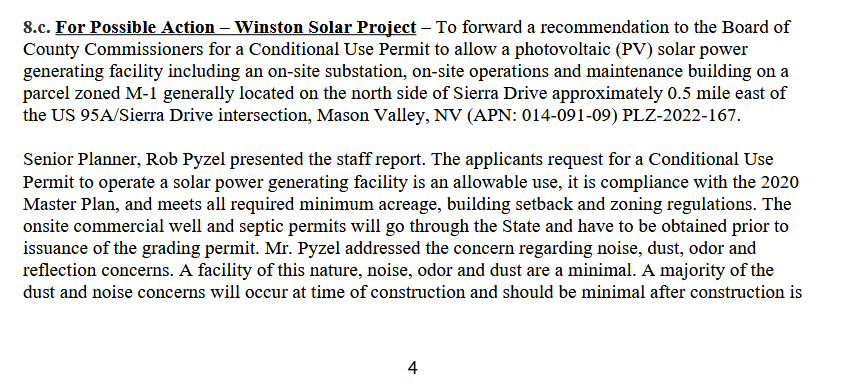
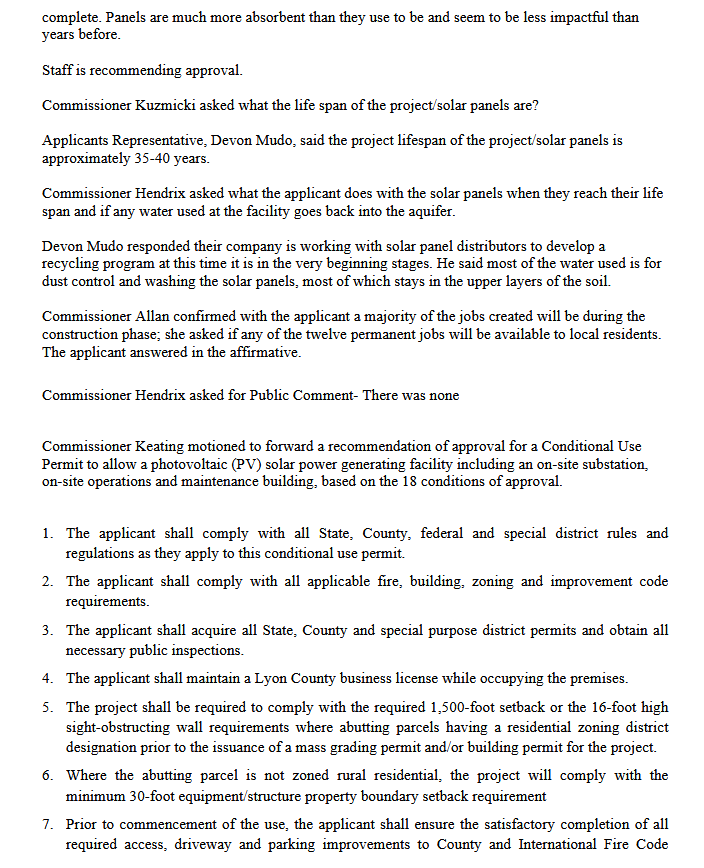
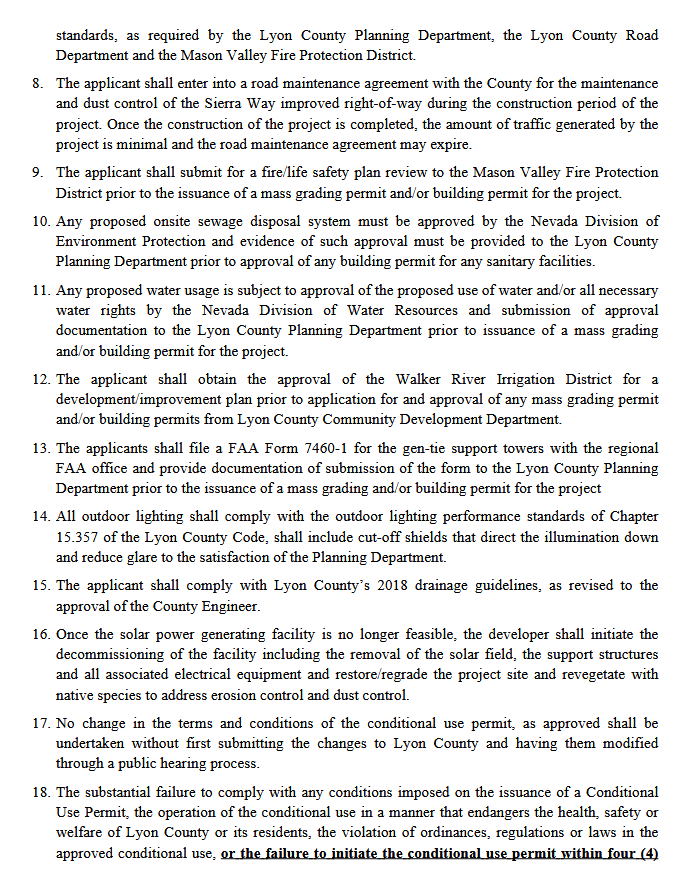
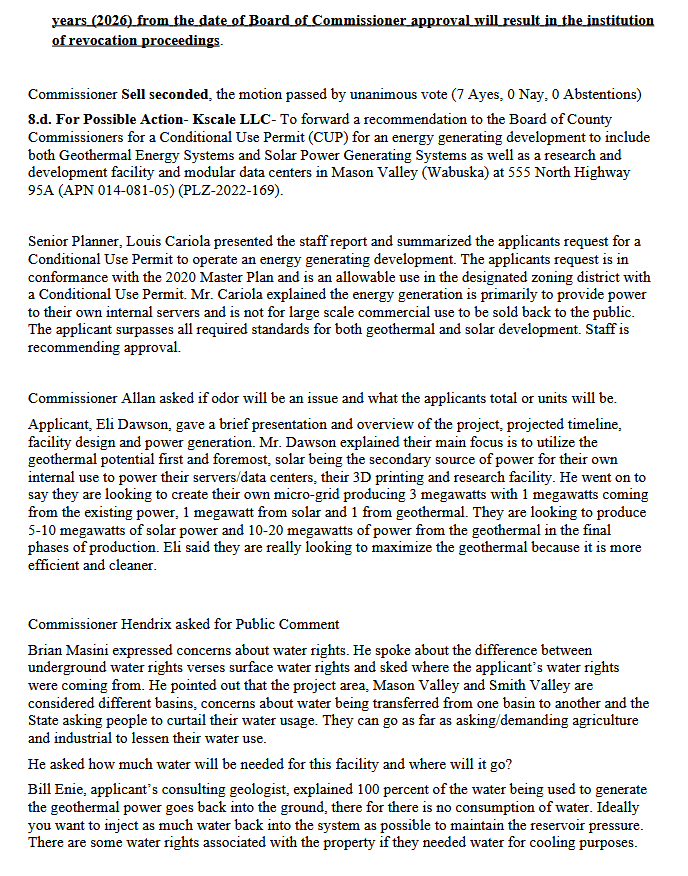
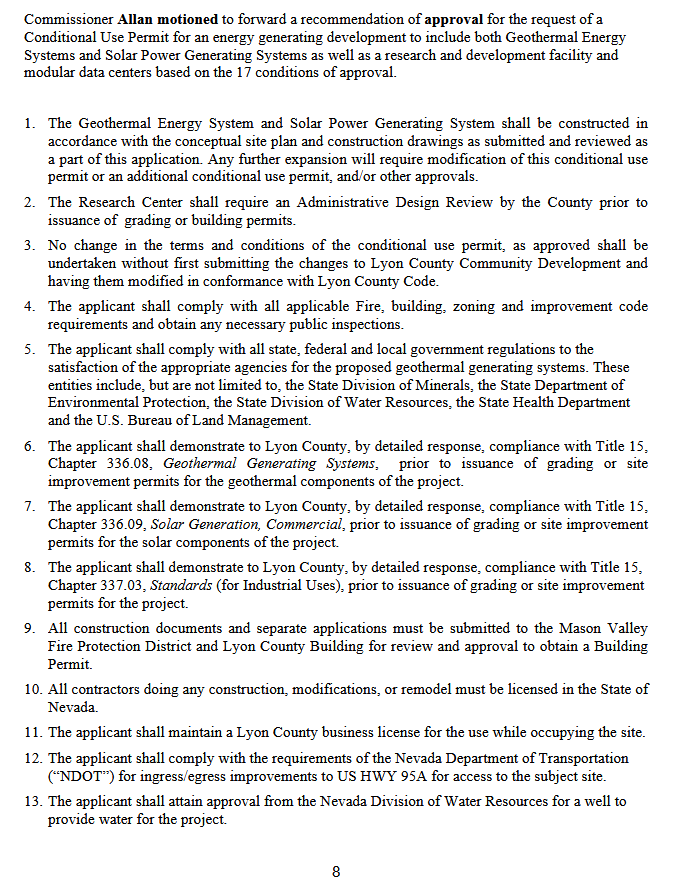
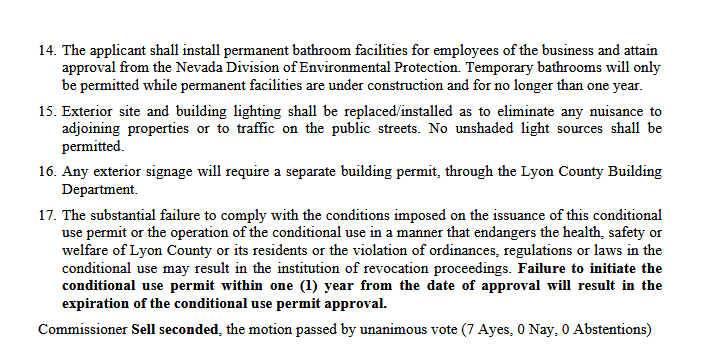
In 2022, the Winston Solar Project and Kscale LLC had Solar Power & Geothermal Energy facility plans for Mason Valley NV agendized for the 8.9.2022 Lyon Co. Planning Commission.
LYON COUNTY PLANNING COMMISSION MEETING MINUTES for August 9, 2022


More Stories
Lyon Board of Commissioners Agenda, Documents & Zoom Link for Thursday, April 2, 2026
April Skies: Gentle Wonders Over Yerington
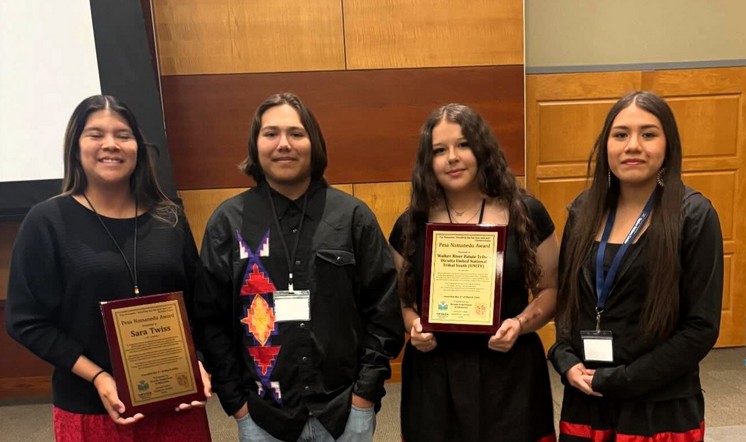
Dicutta Youth Unity WINS Pesa Namanedu Award from Nevada Department of Education